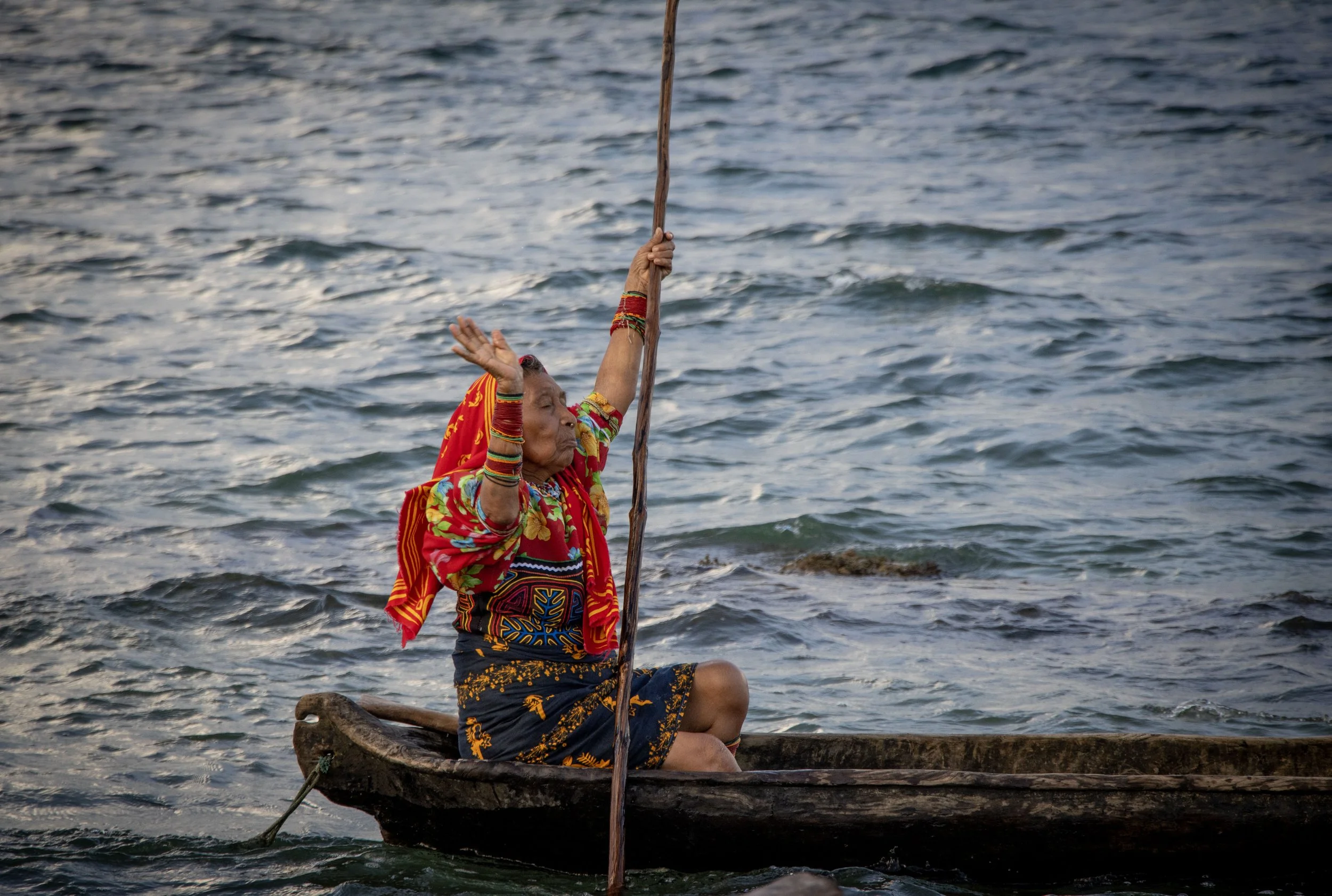
The Guna — “Those Who Flow”
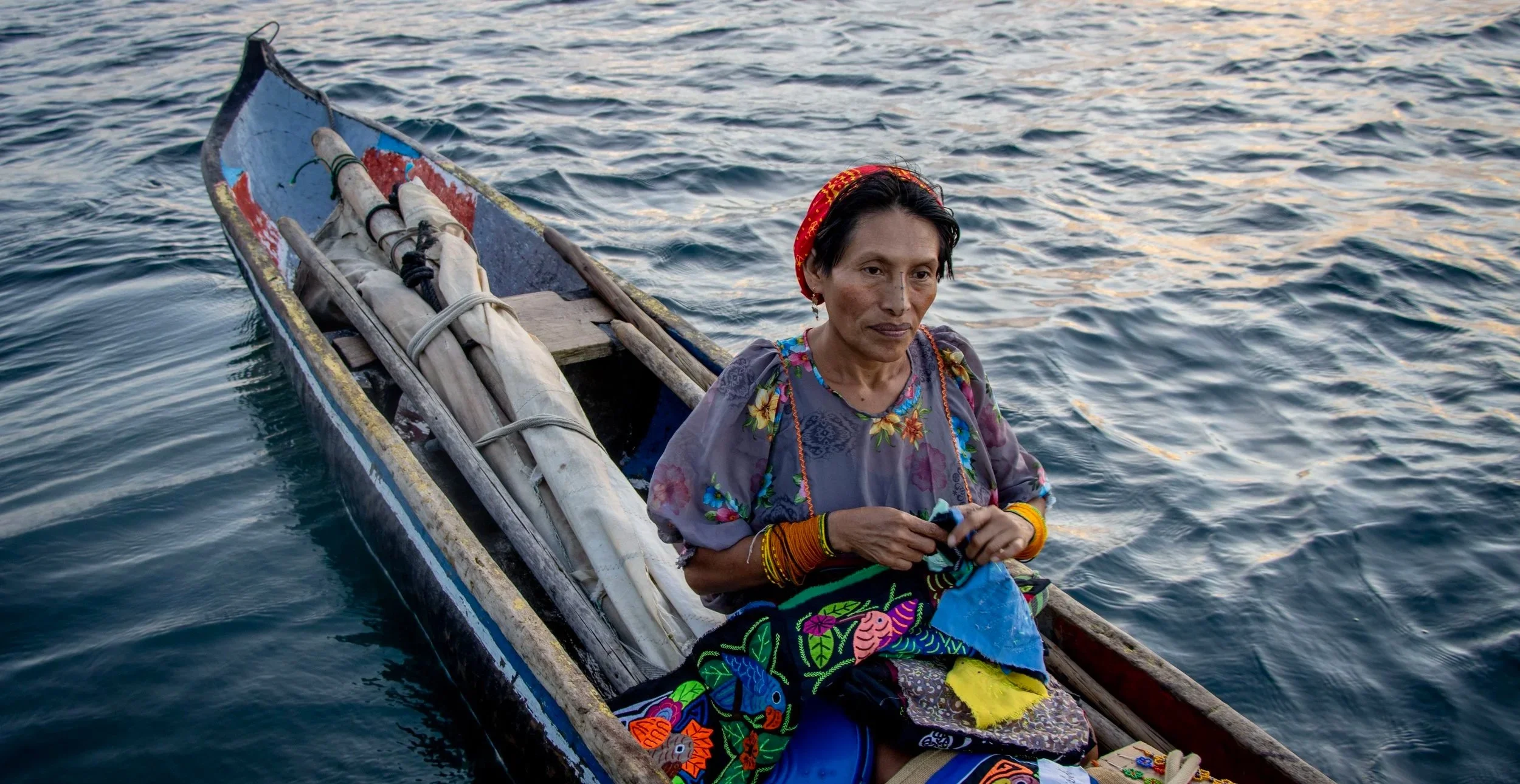
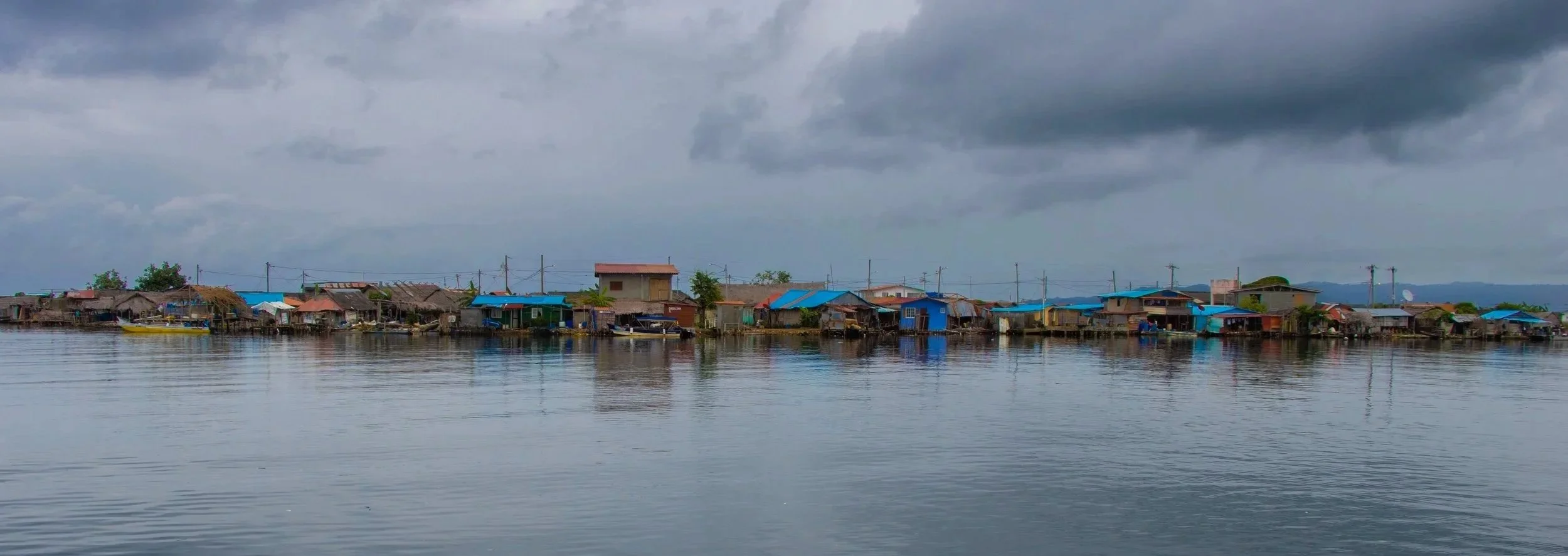
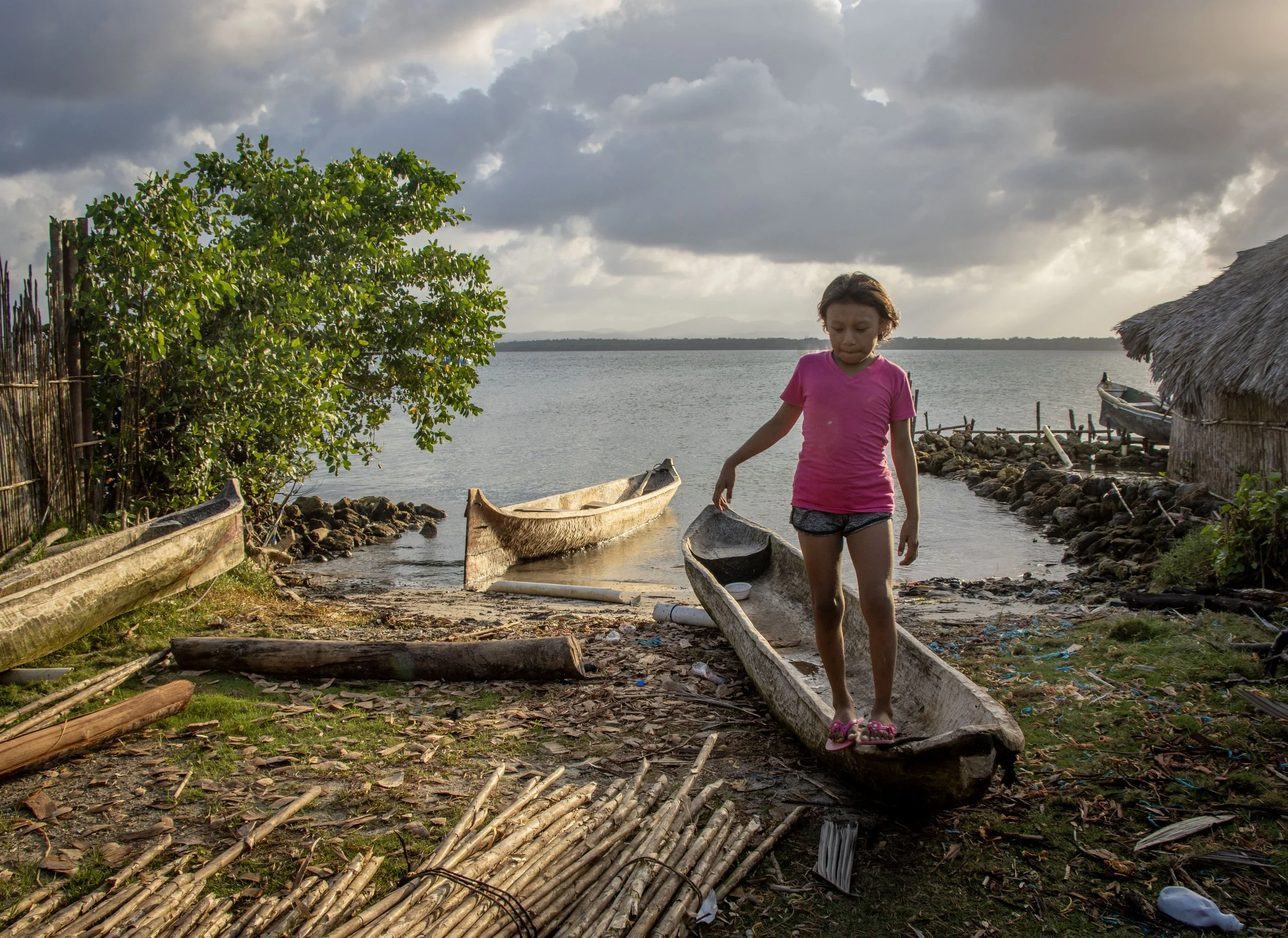
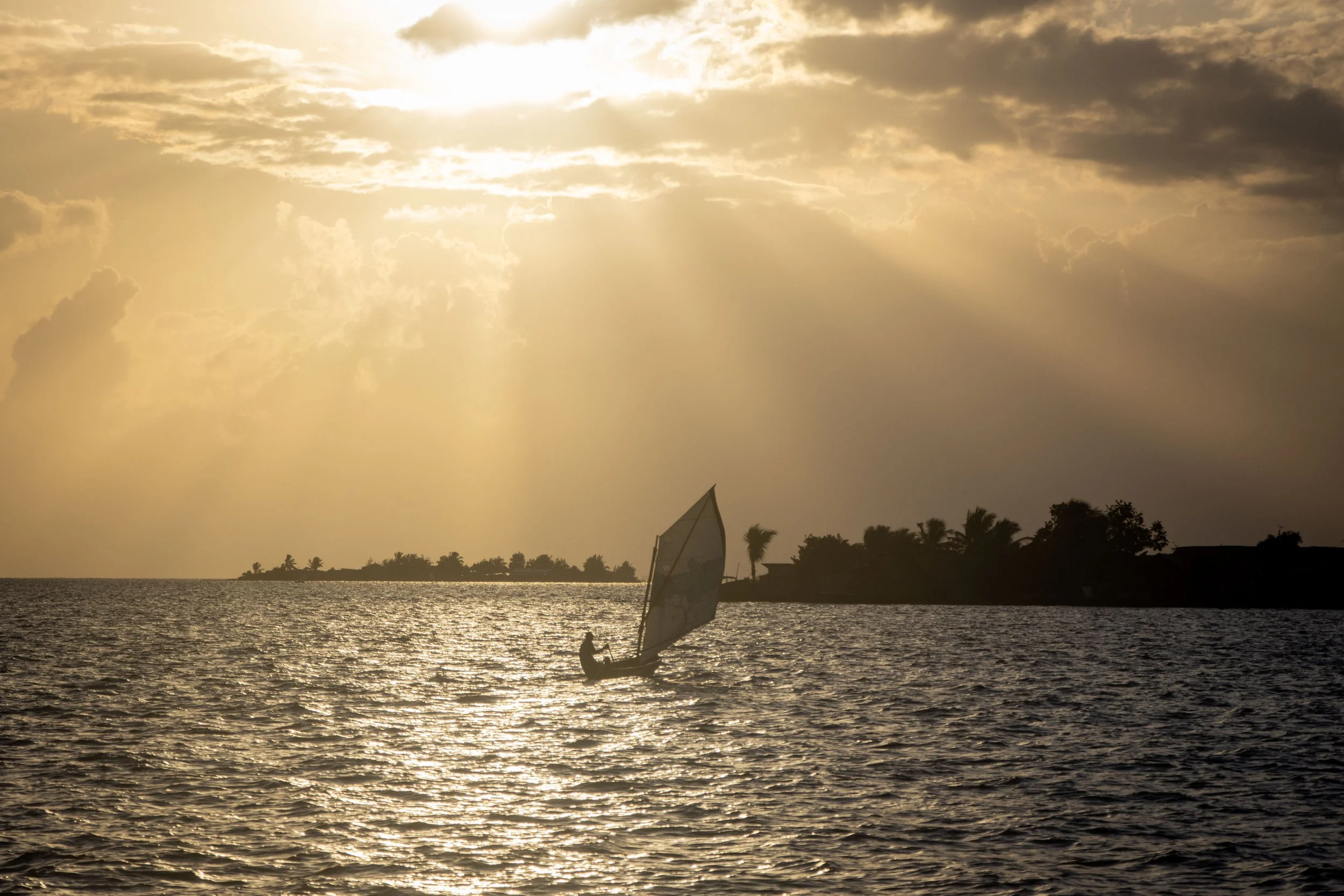
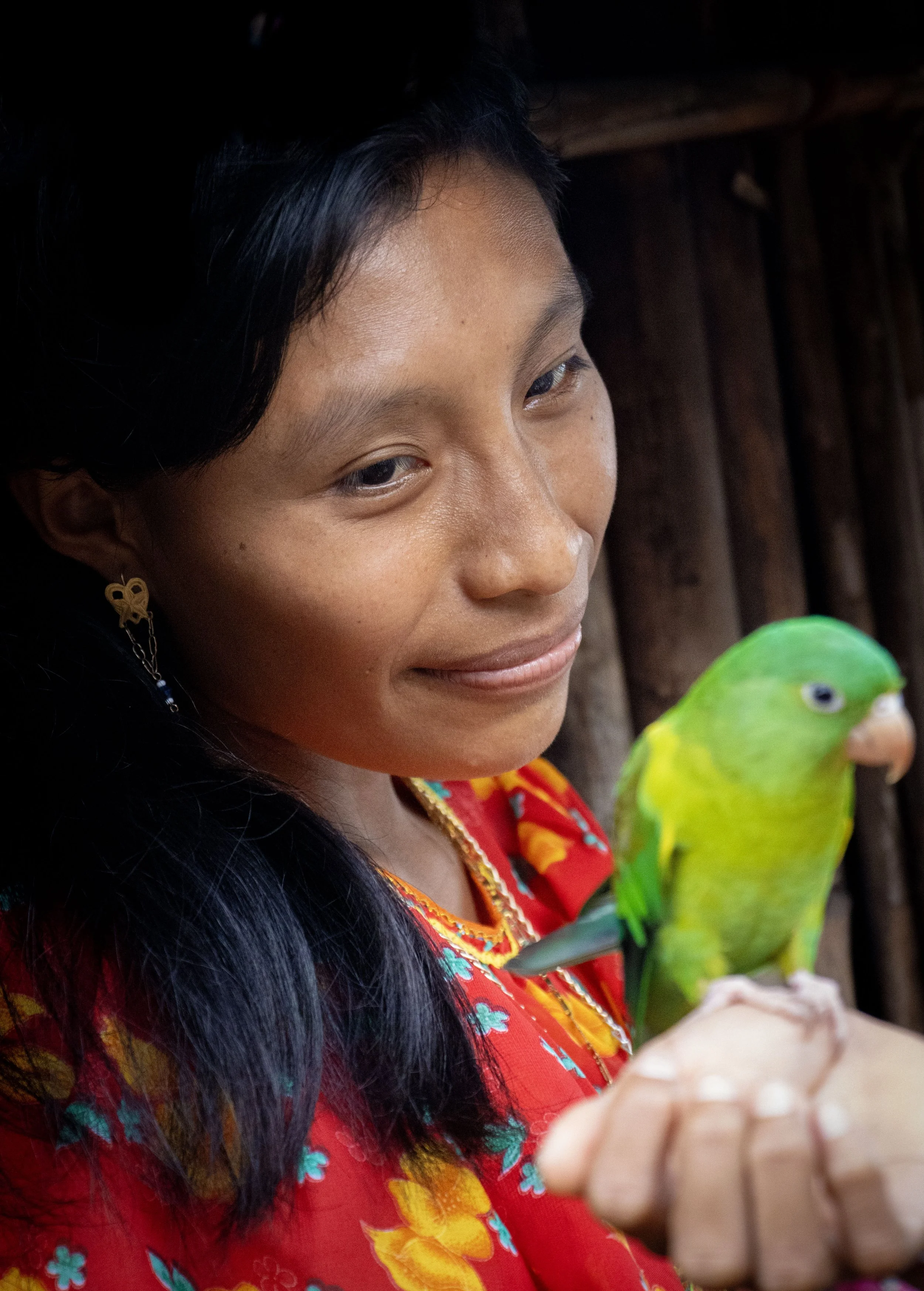
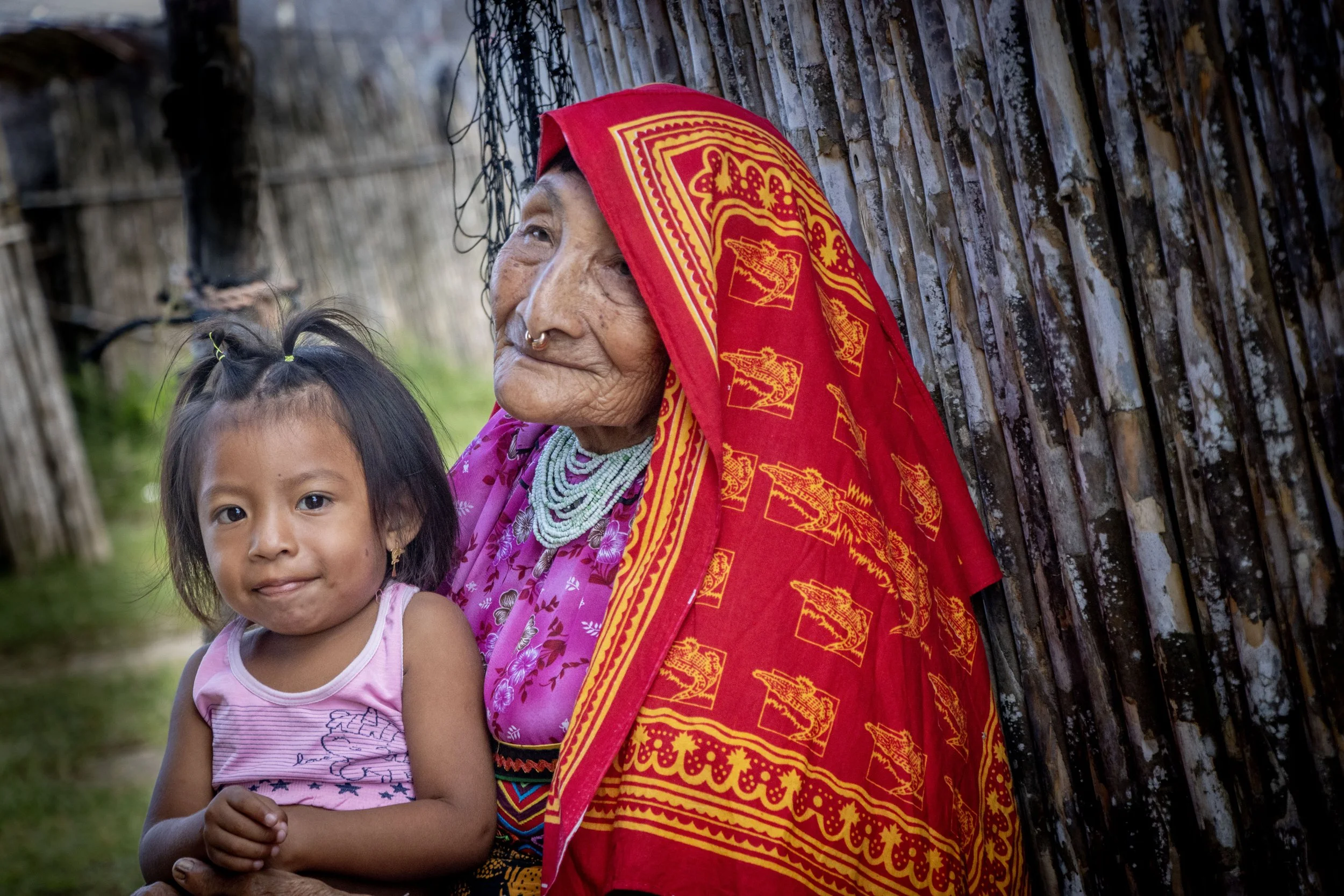
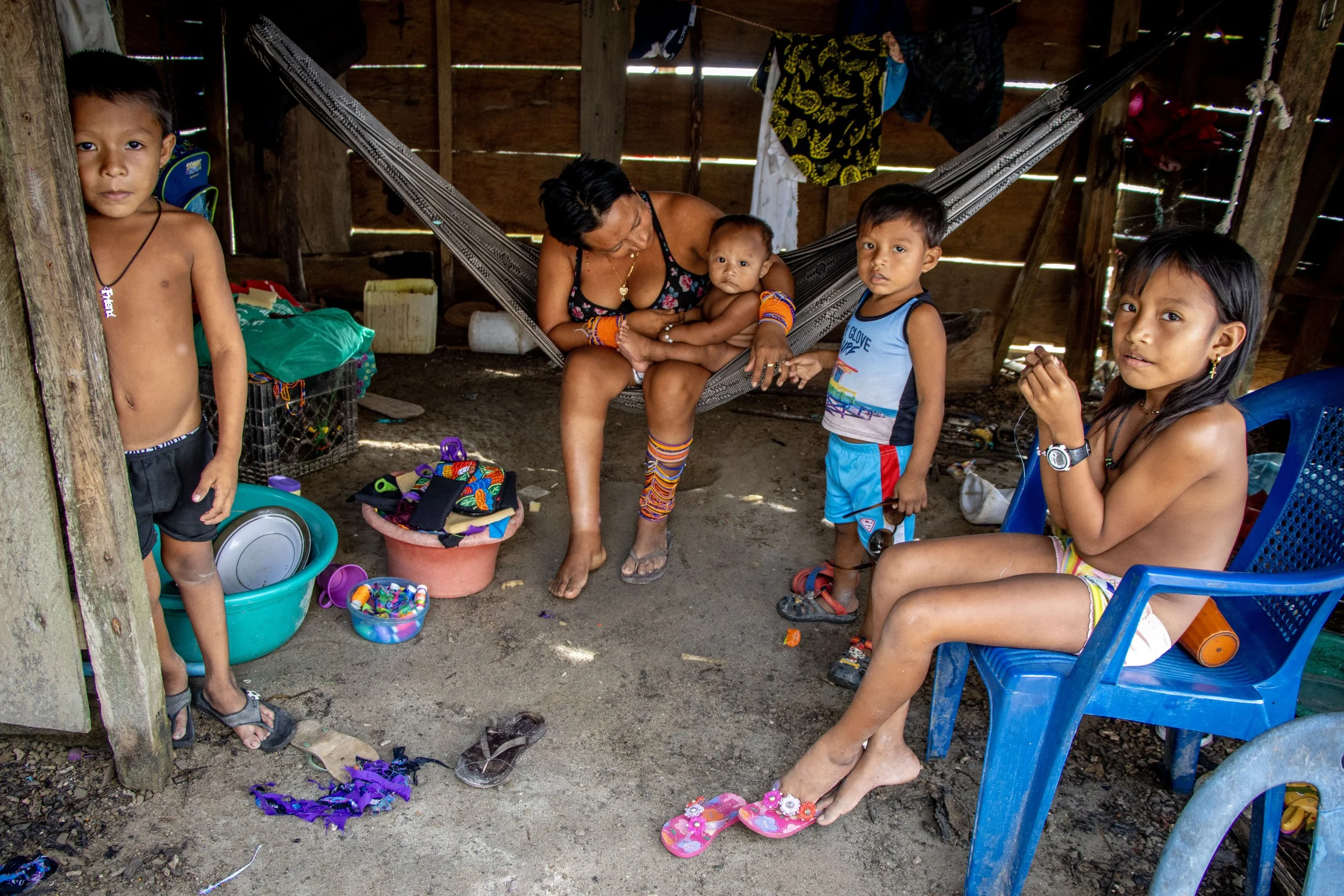
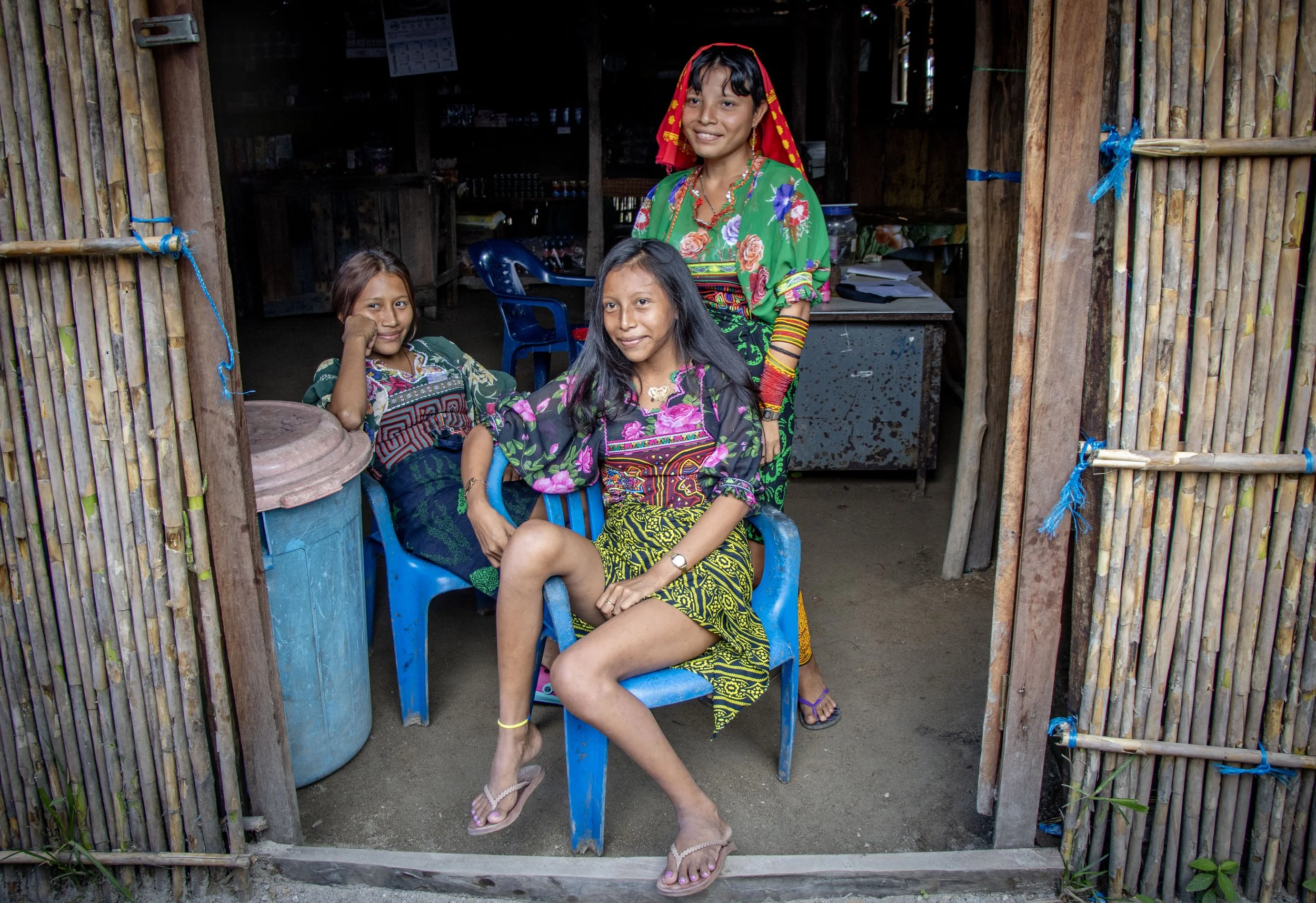
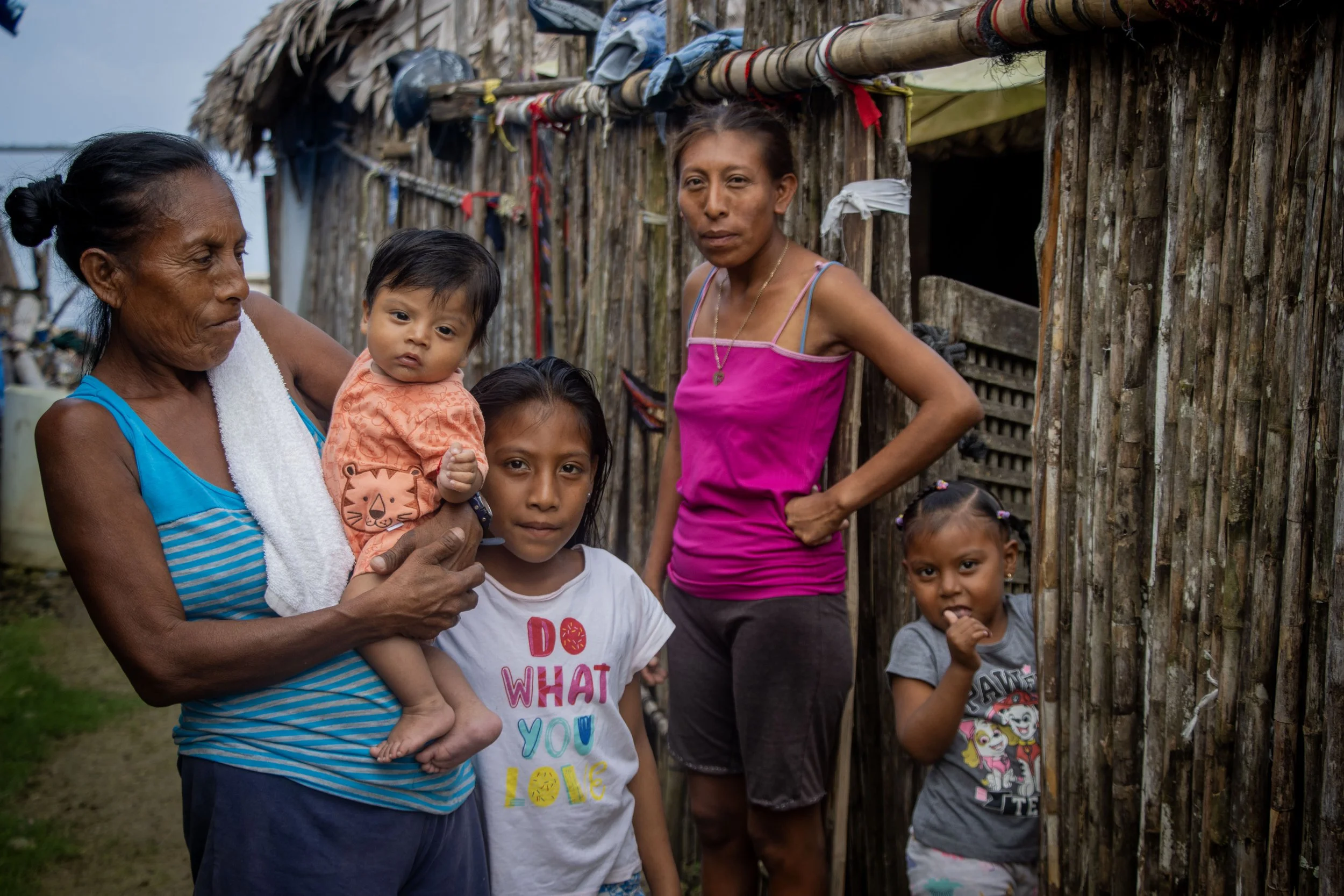
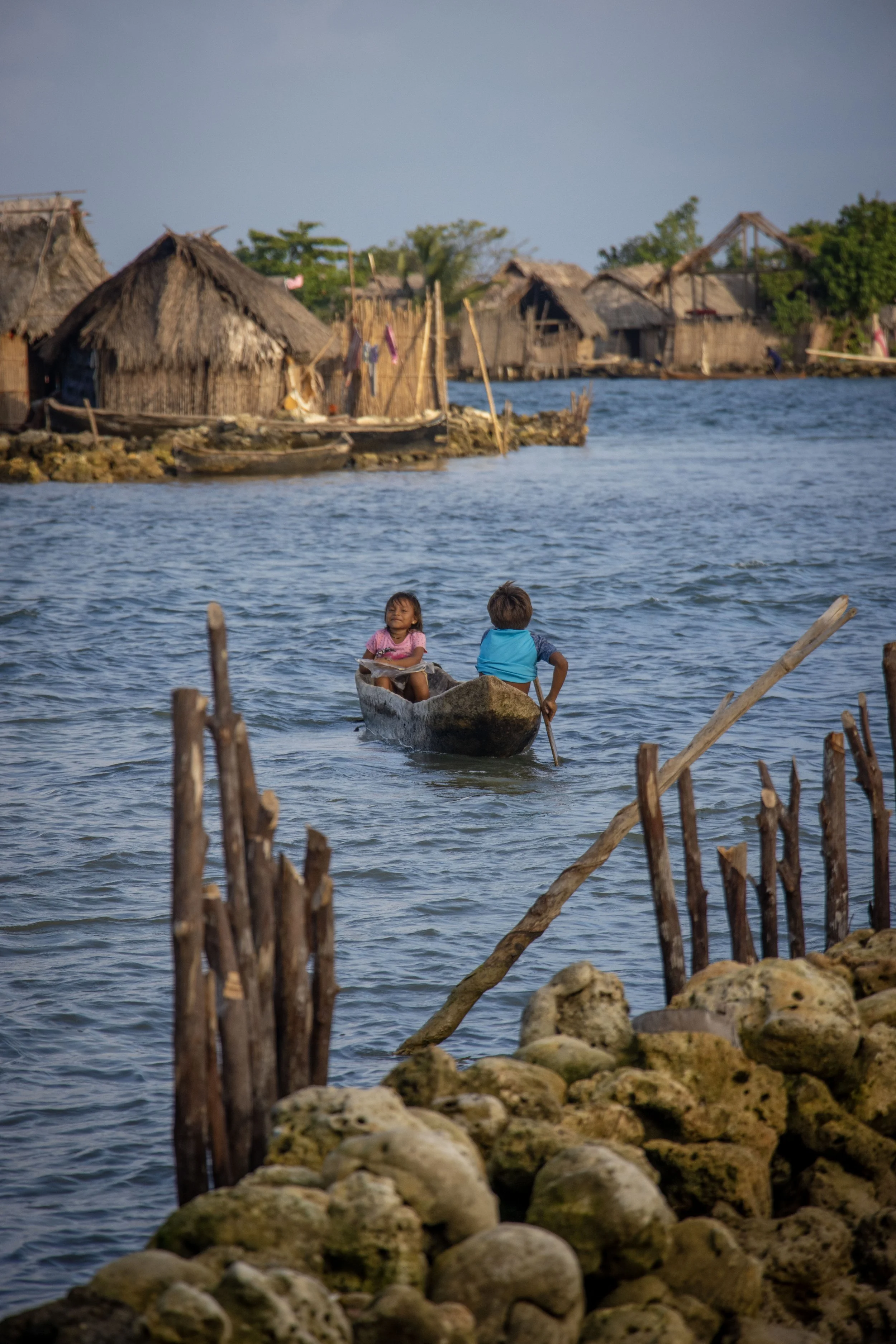
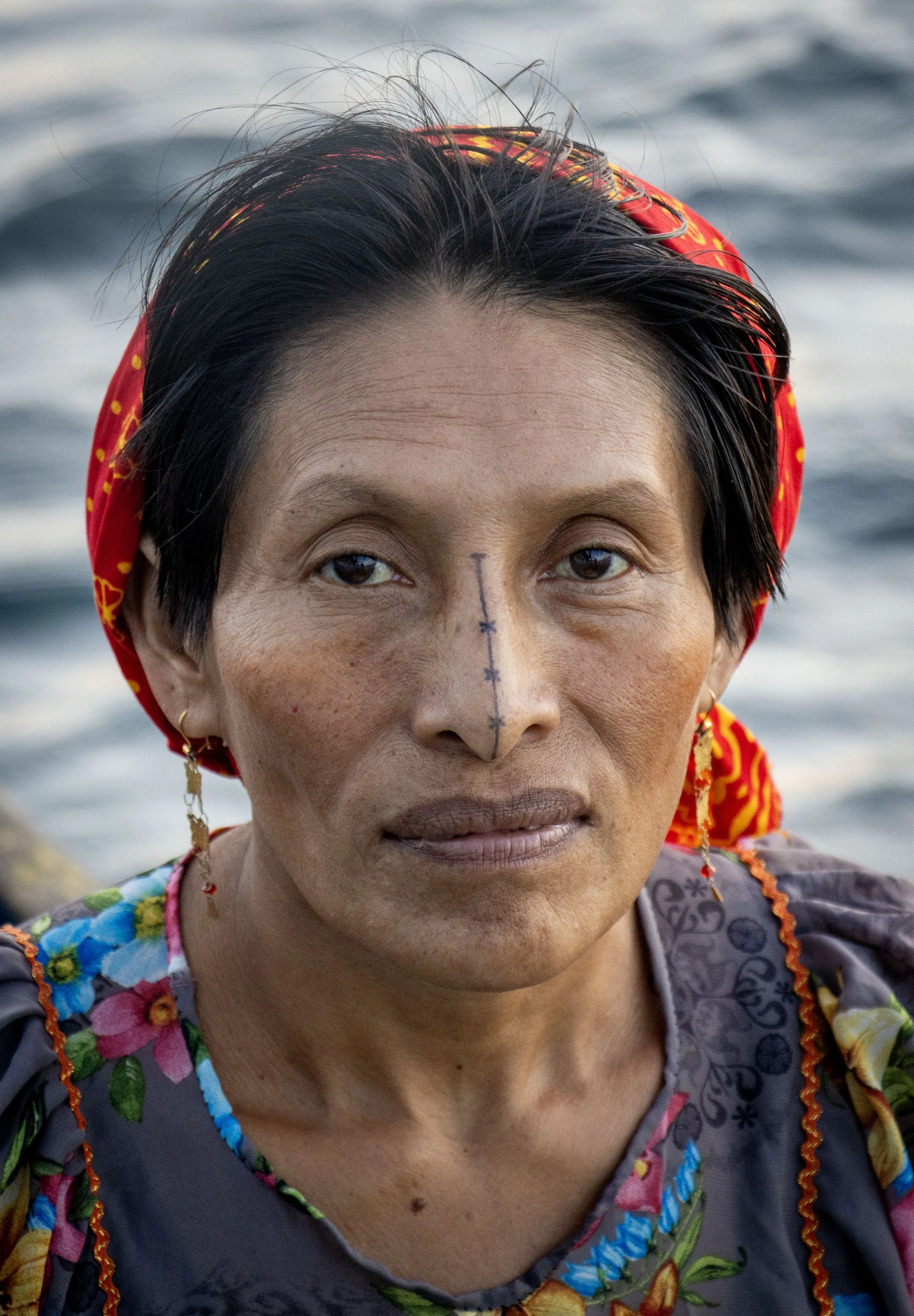
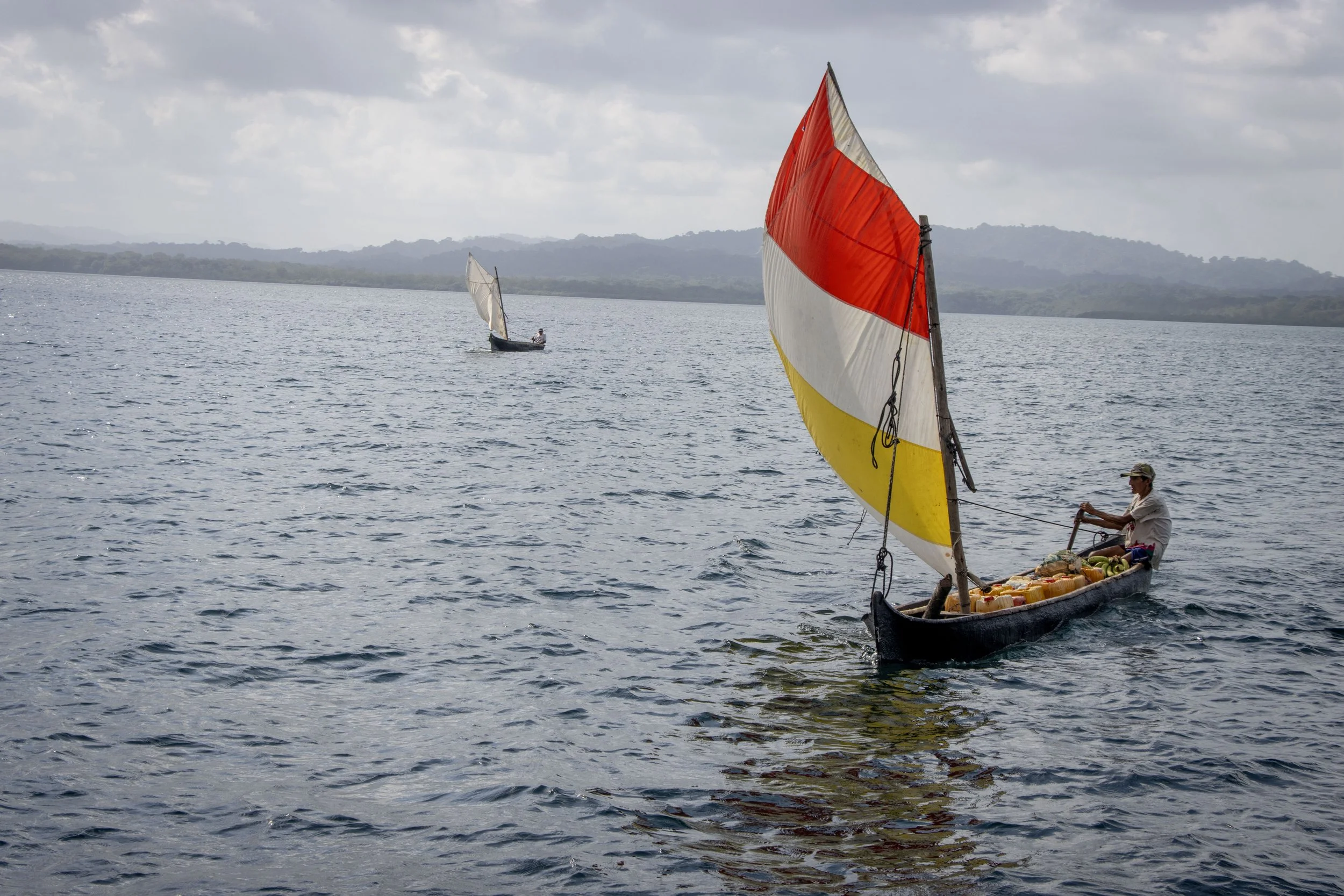
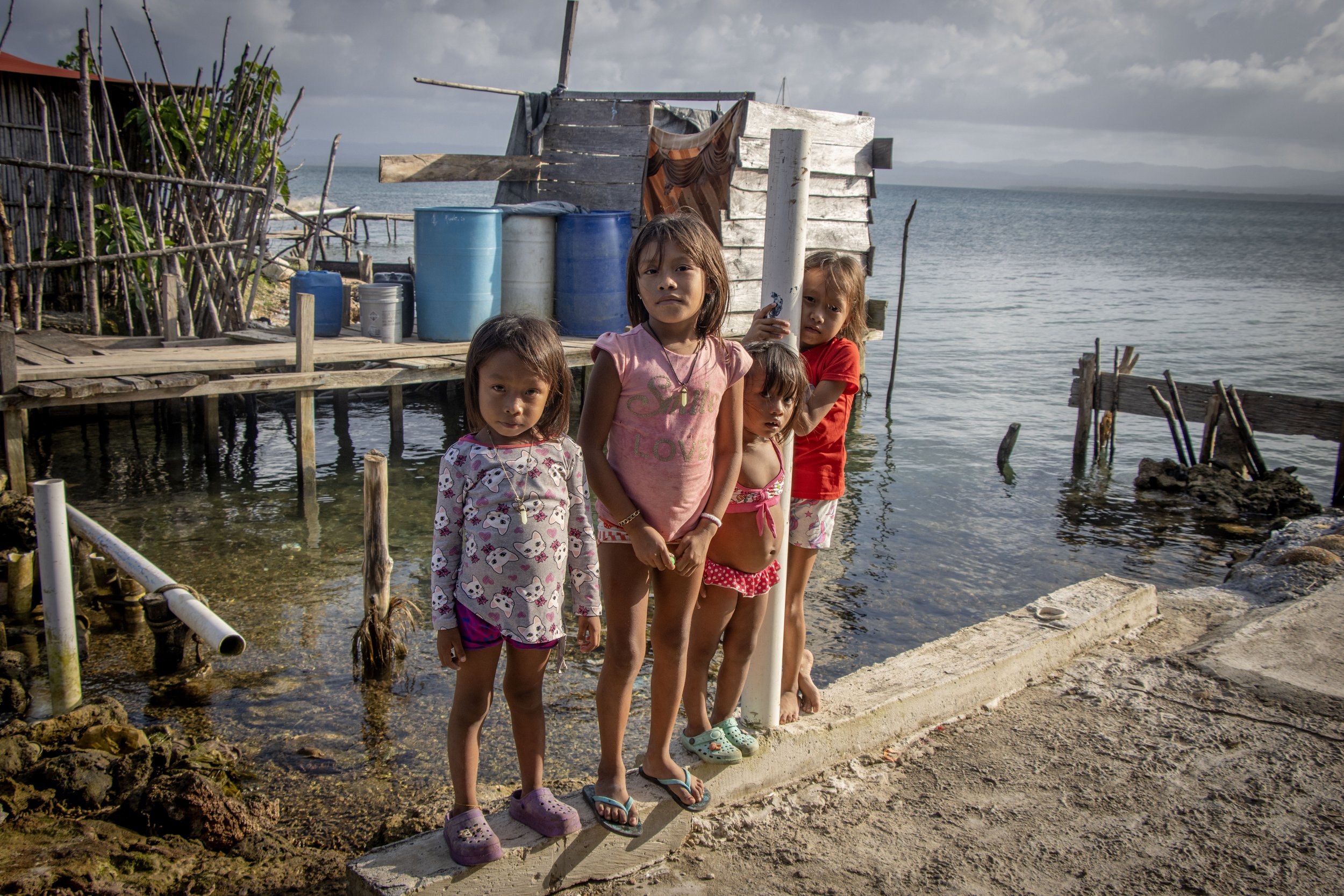
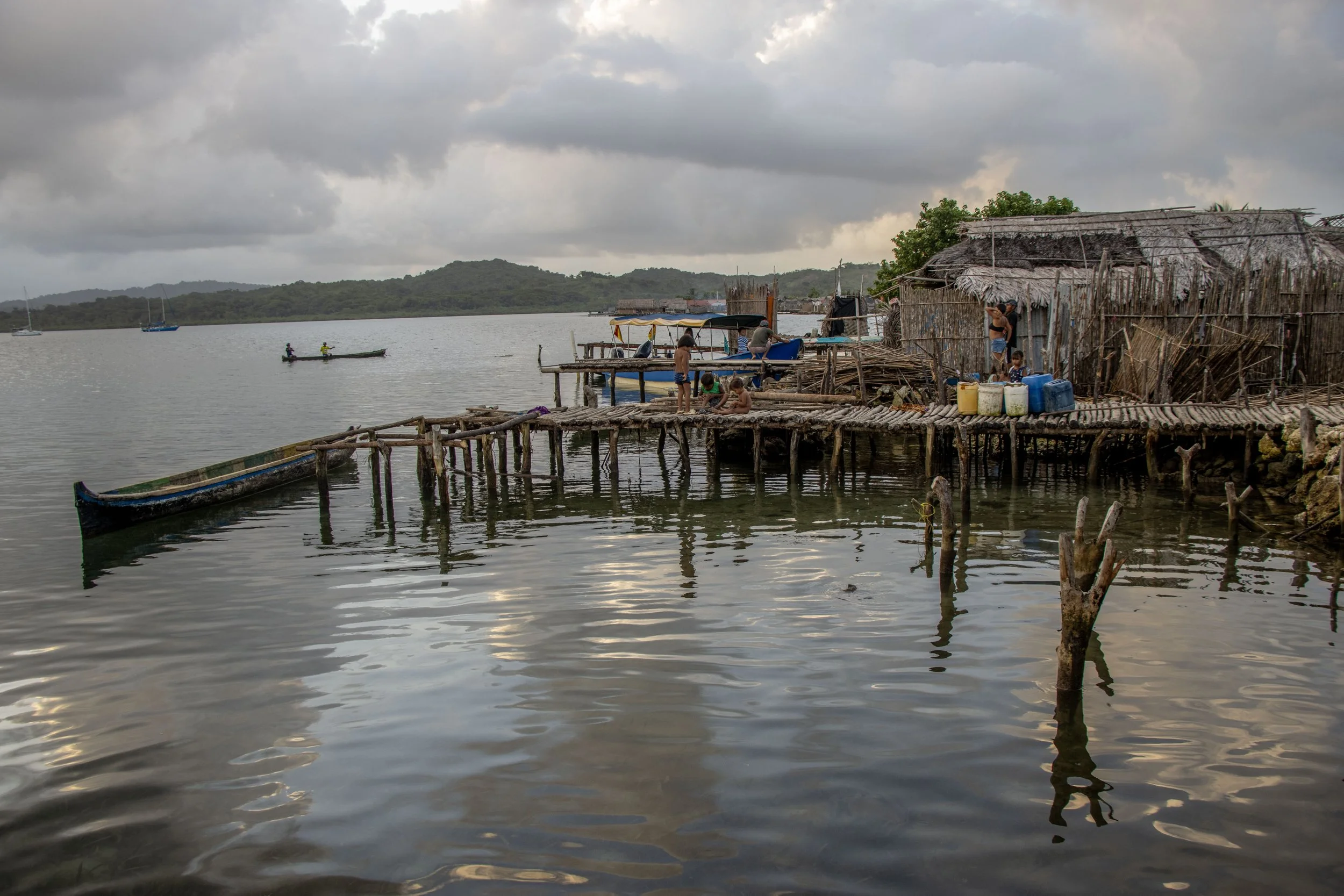
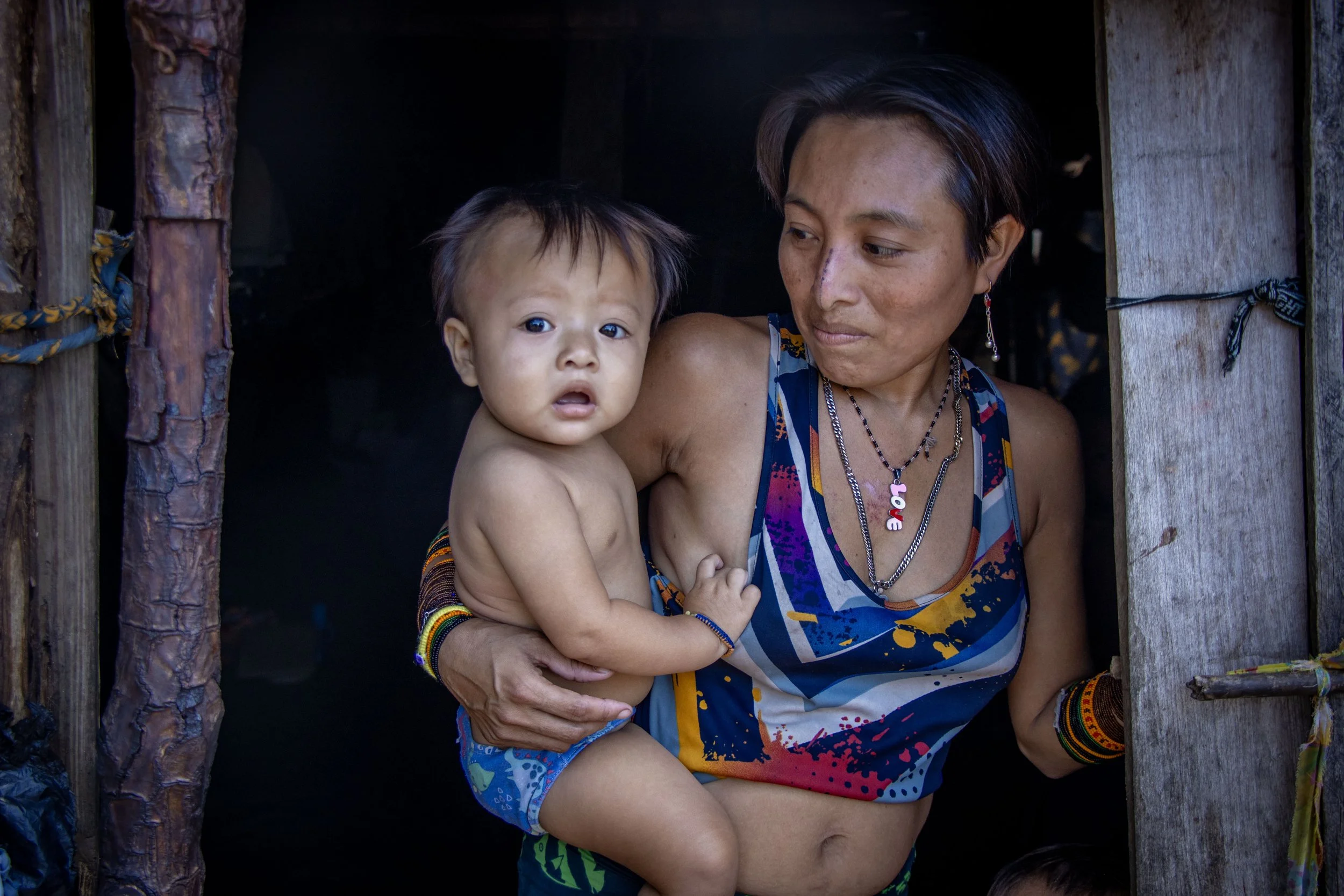
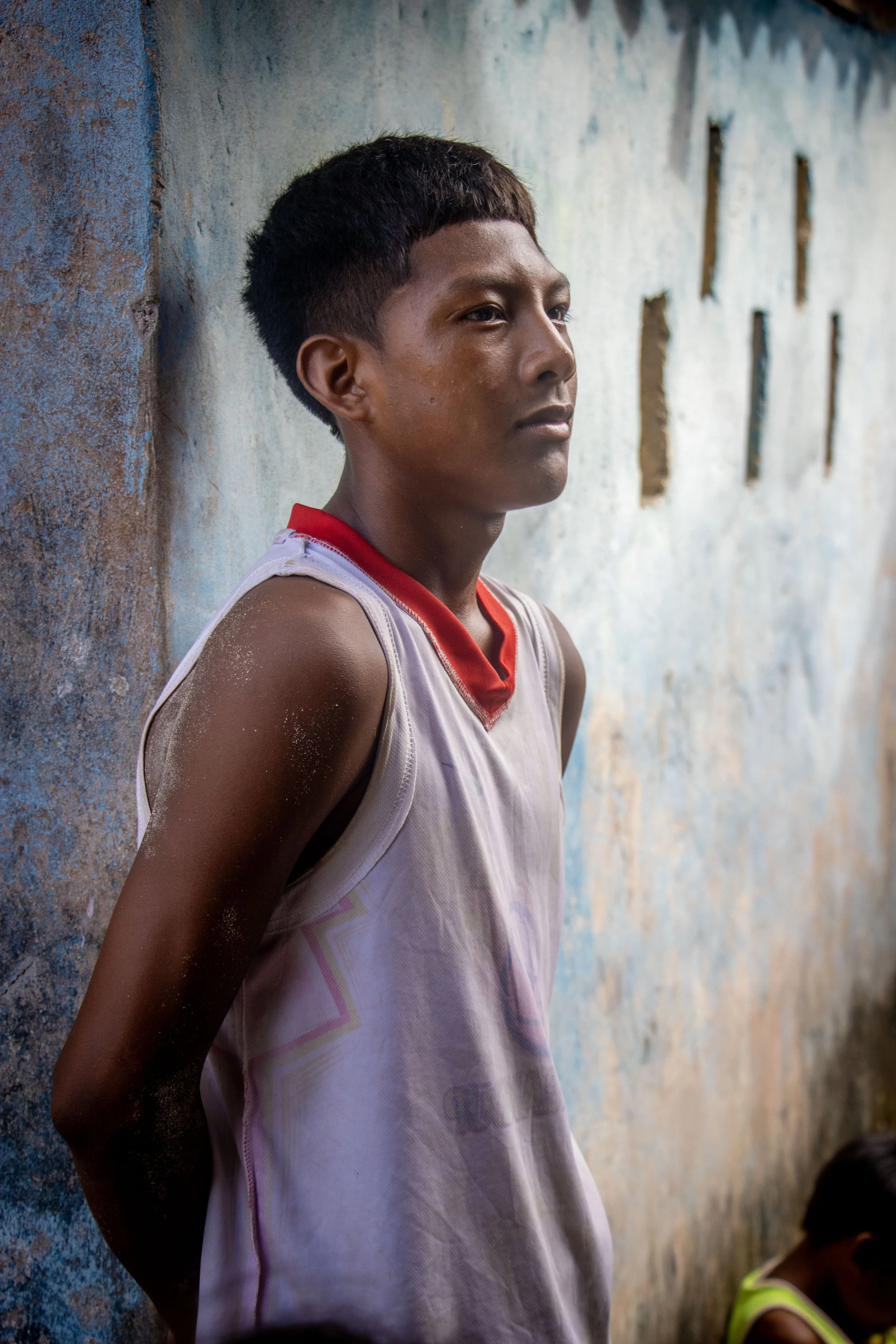
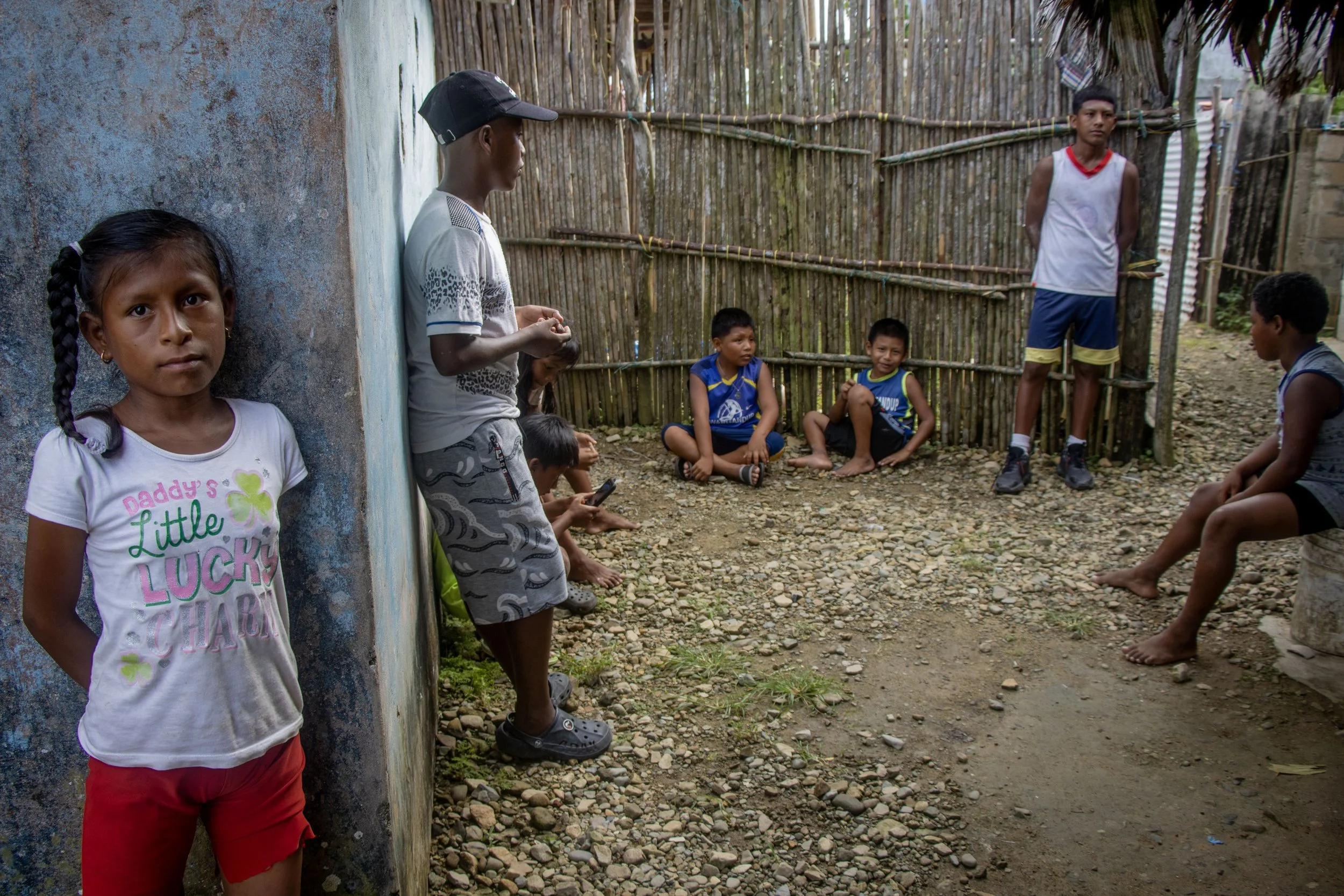
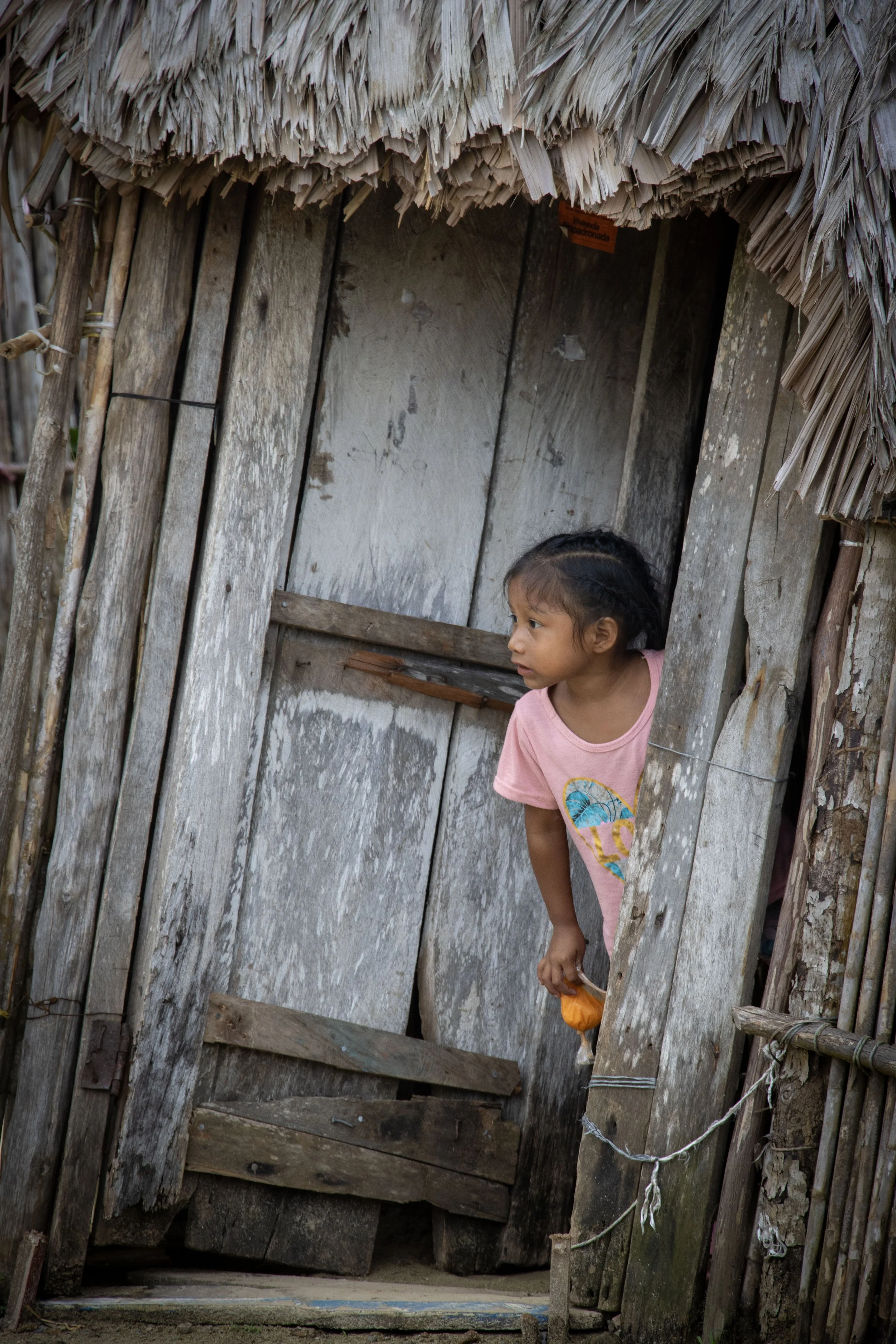
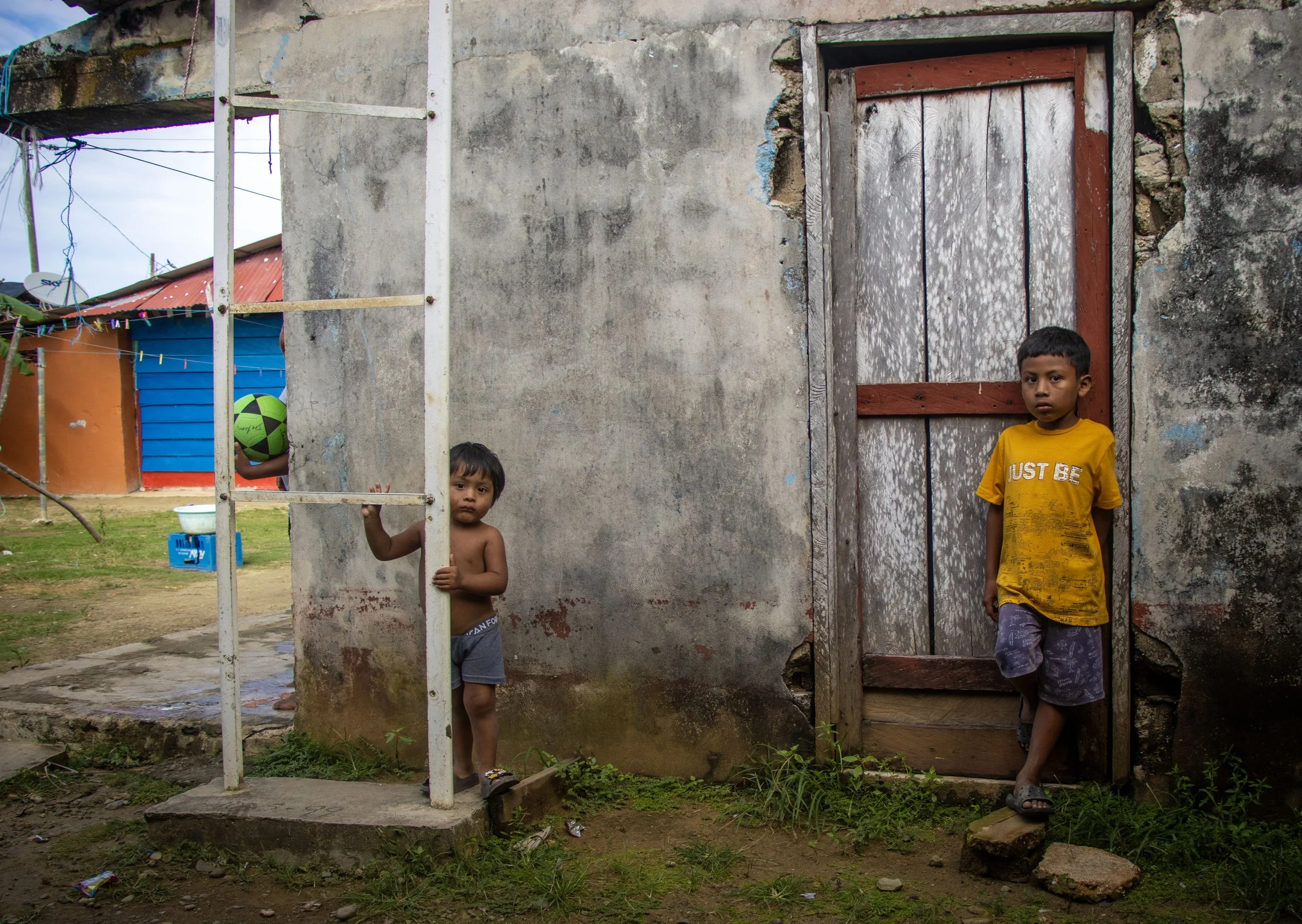
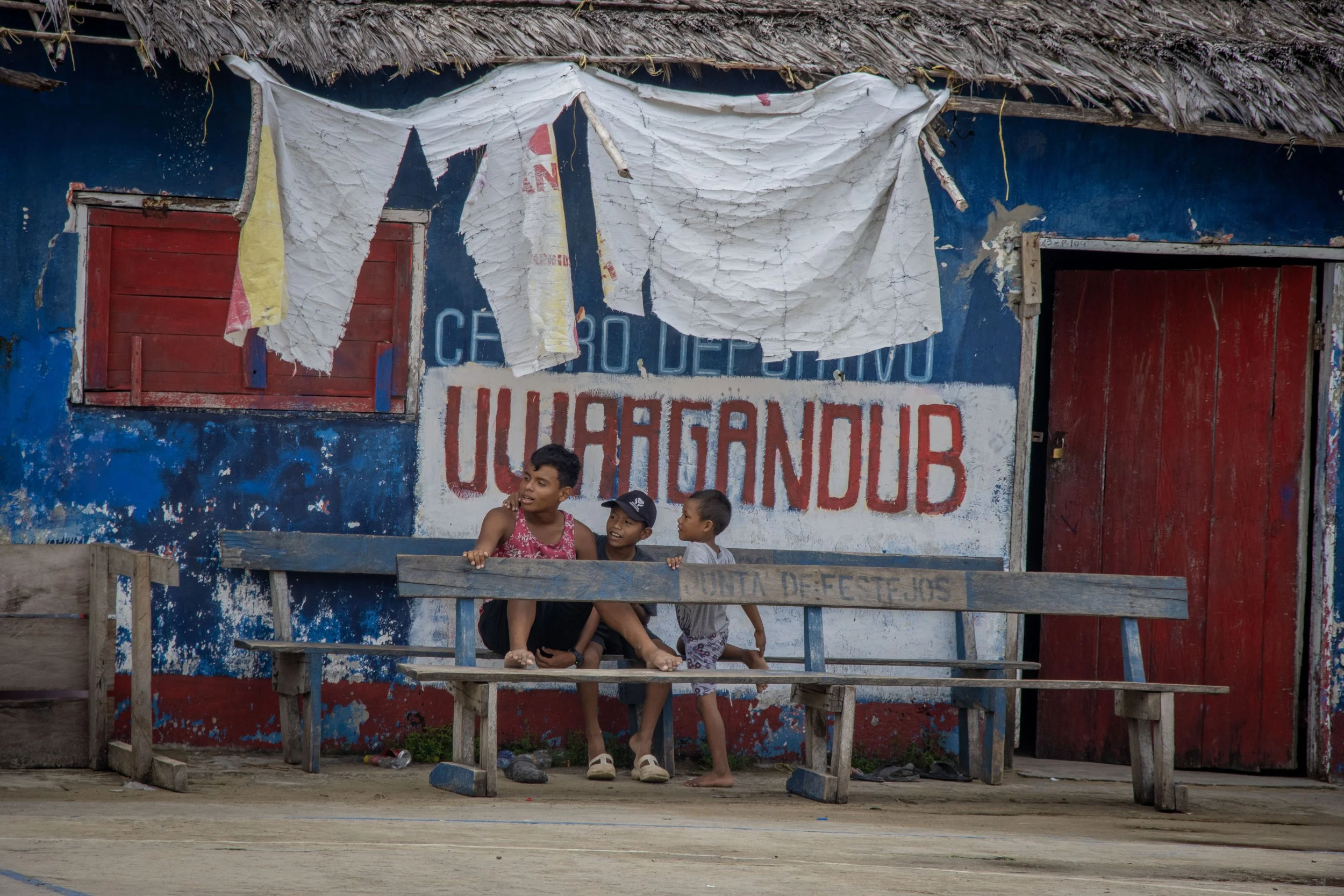
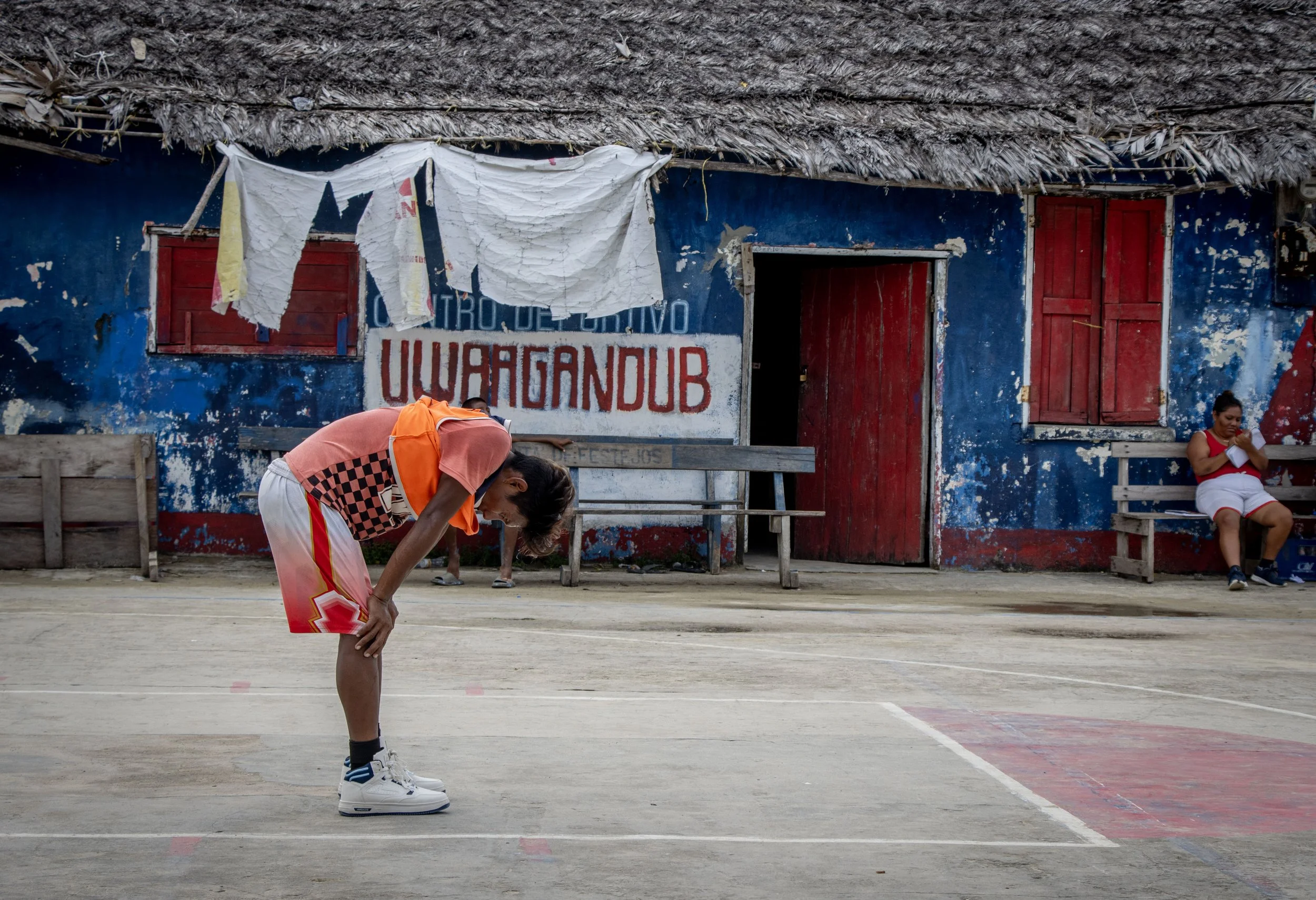
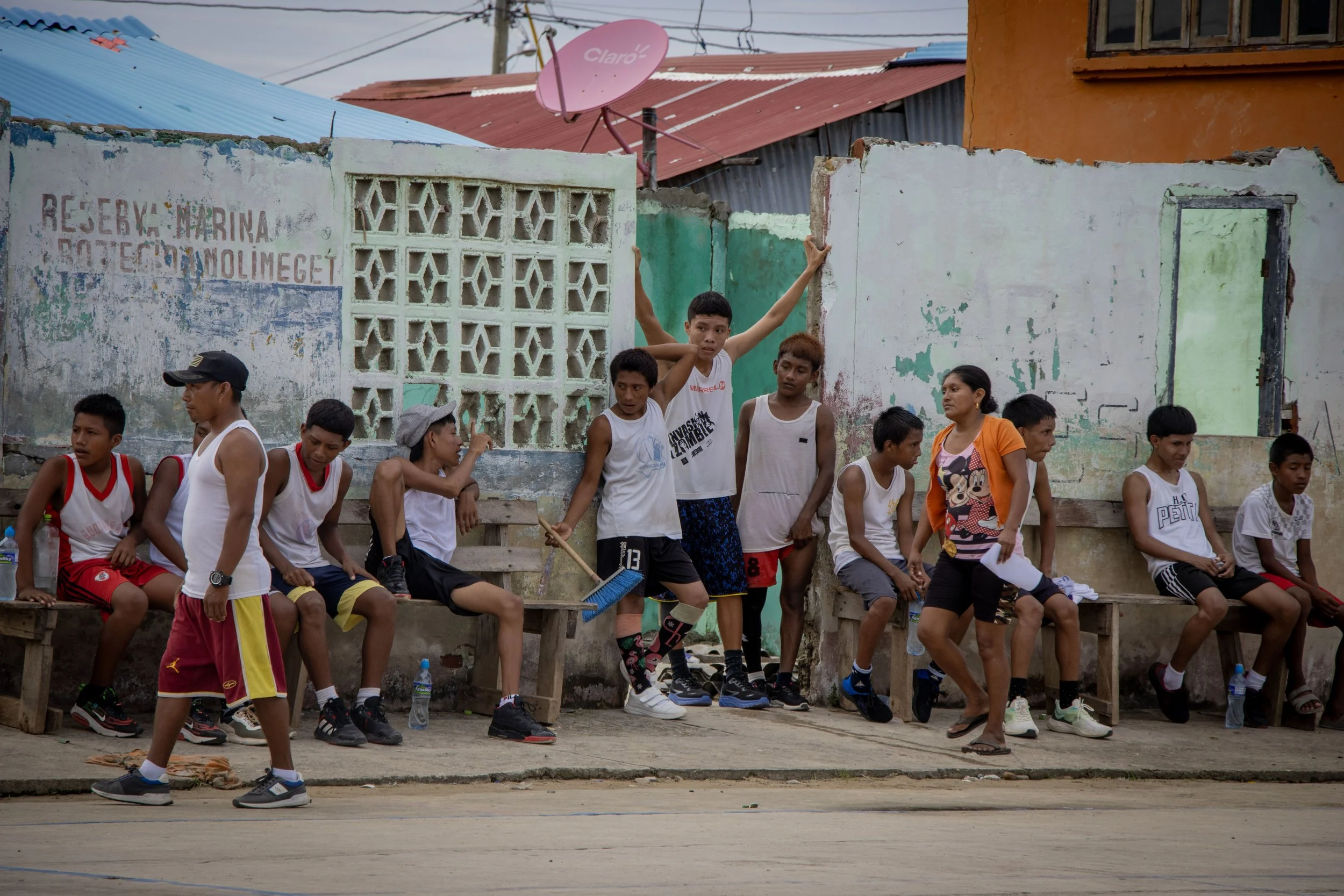
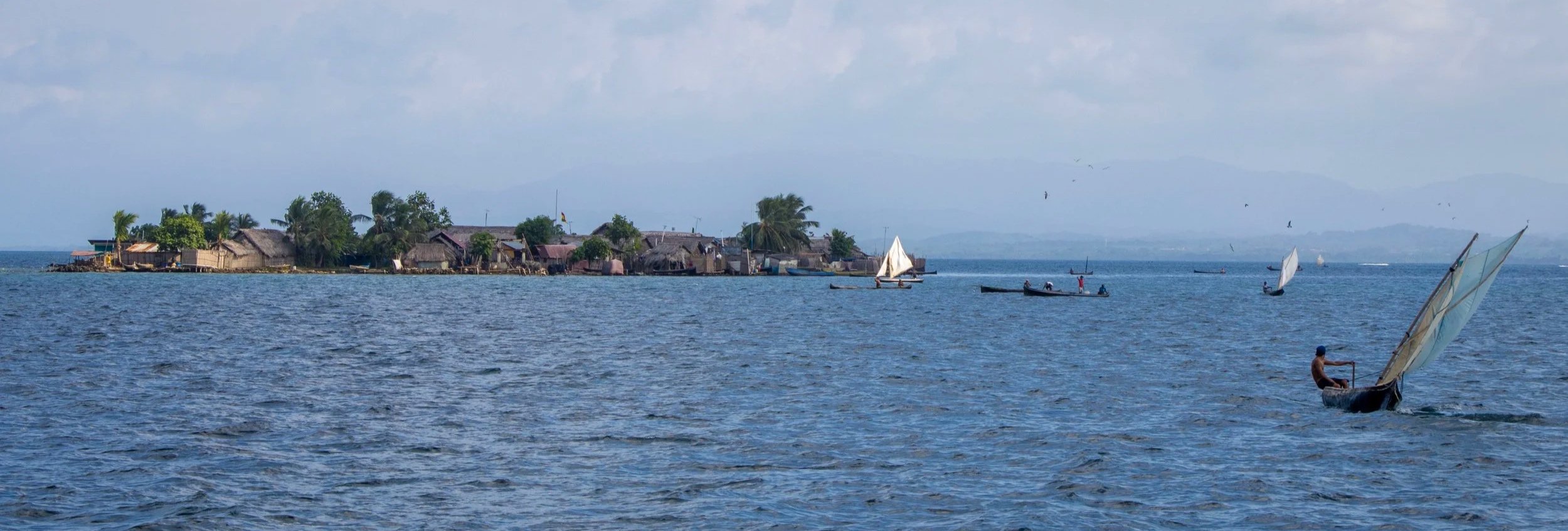
This photographic series was created in Guna Yala, the autonomous Indigenous territory that stretches along Panama’s Caribbean coast. The Guna — or Dule, “the people” — are “those who flow”: a seafaring nation moving constantly between islands and mainland by sailboat or launch, one foot on land and the other in the sea. Their lives have long been defined by navigation, fishing, and trade across the archipelago’s coral cays — a world where the sea is both road and home. In 1925, the Guna rose up in the Guna Revolution, rebelling against forced assimilation and missionary repression; their victory secured self-governance through the Comarca Guna Yala and the Congreso General Guna, one of the oldest Indigenous political systems in the Americas.
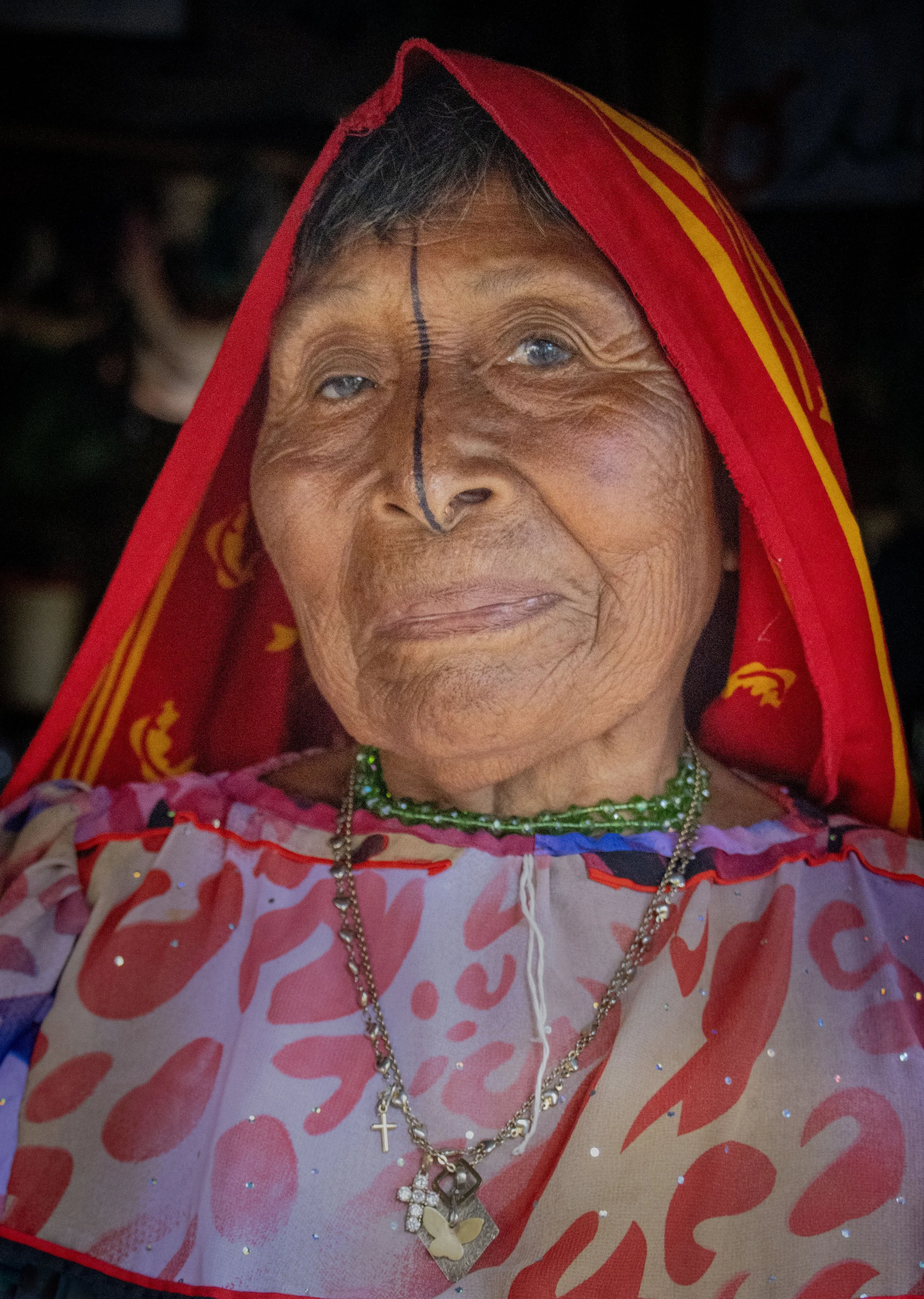
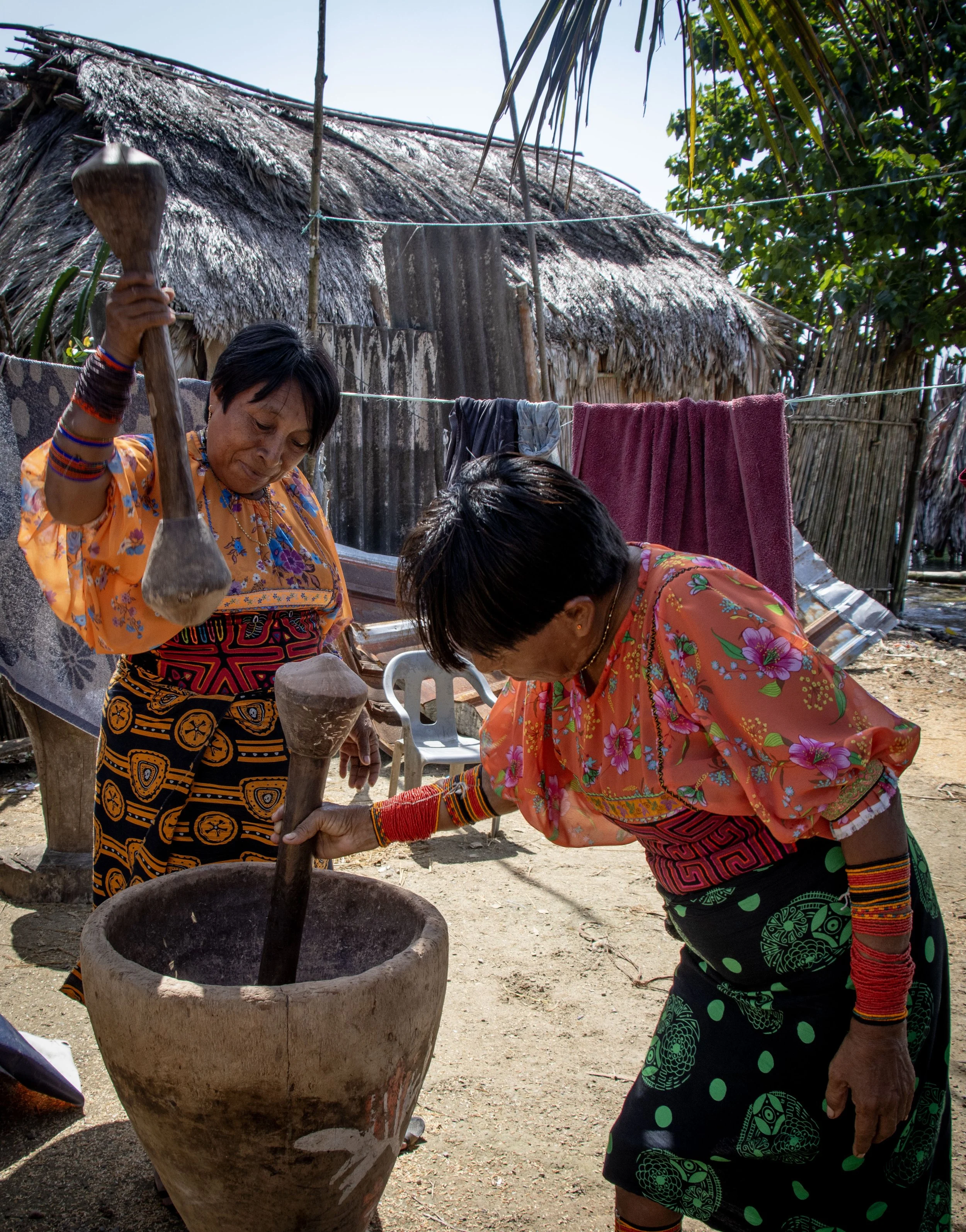
Guna society is matrilineal and matrilocal: lineage and property pass through women, while political and spiritual leadership rests with the Saila, a male orator and singer who preserves the people’s history through chant and counsel.
Today, their islands — sustained for generations by coconut trade and the rhythm of tides — lie on the frontline of climate change. Rising seas have already forced one community to relocate to the mainland, the first such displacement in Panama, threatening not only their homes but the essence of their maritime world.
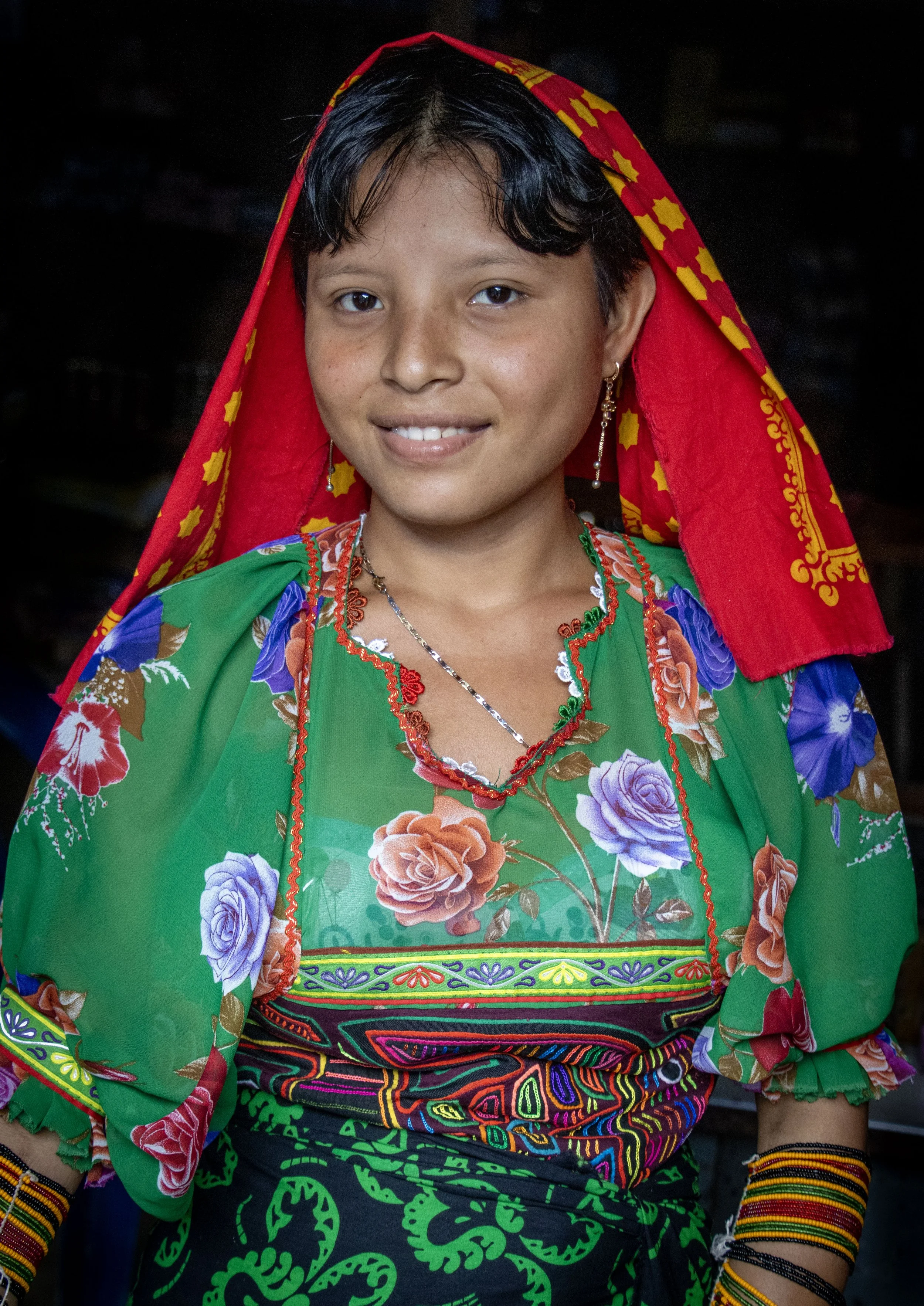
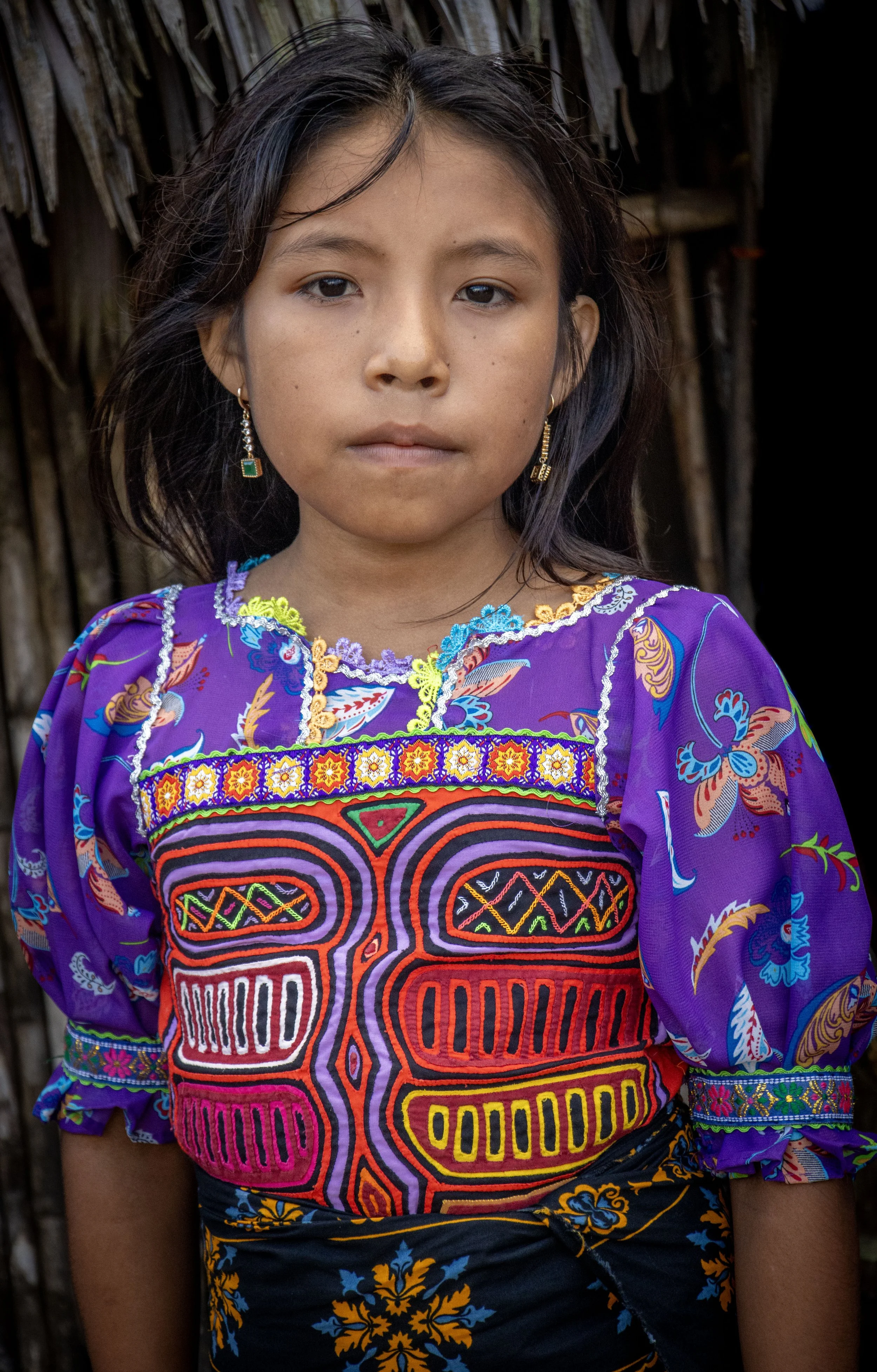
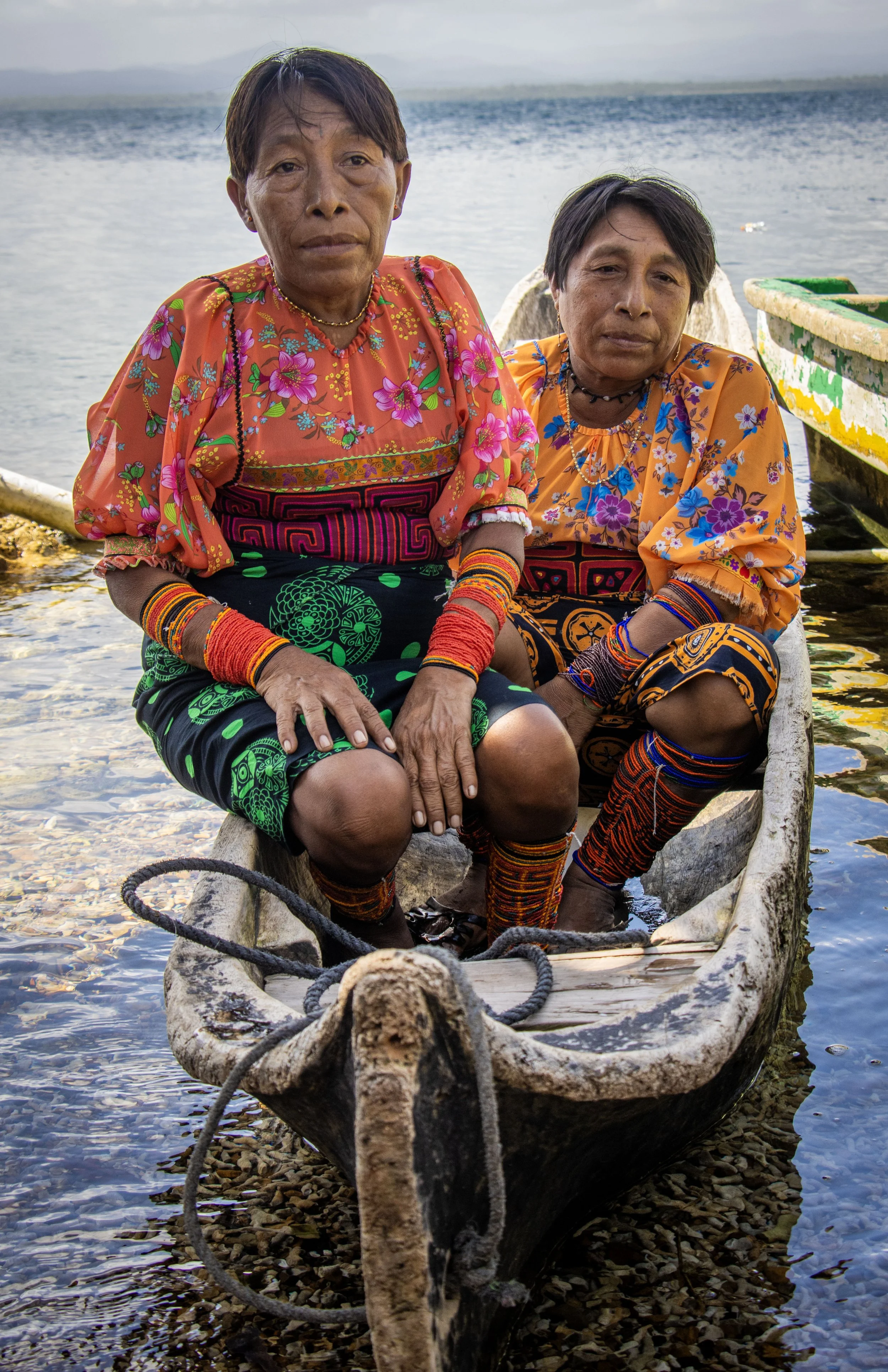
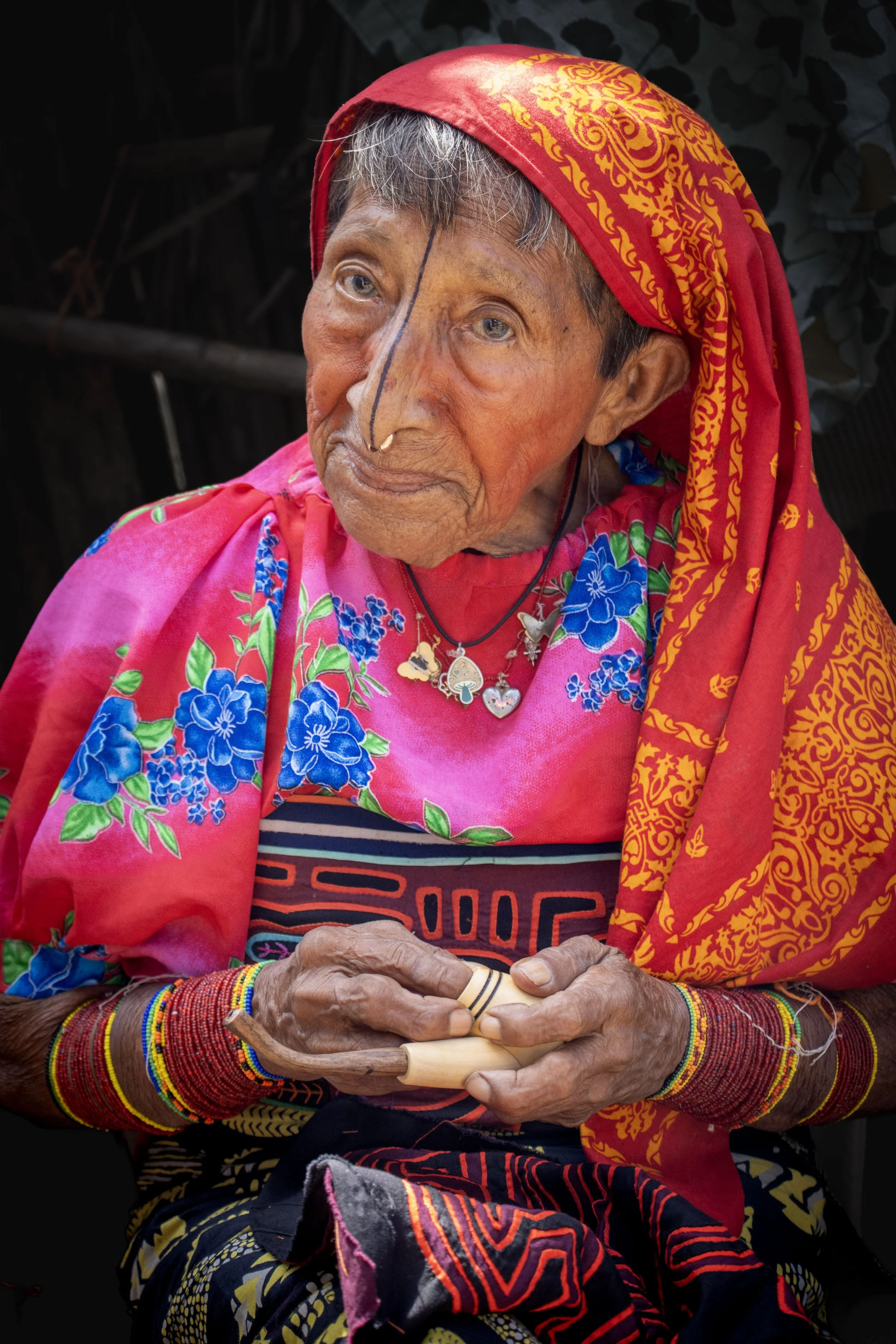
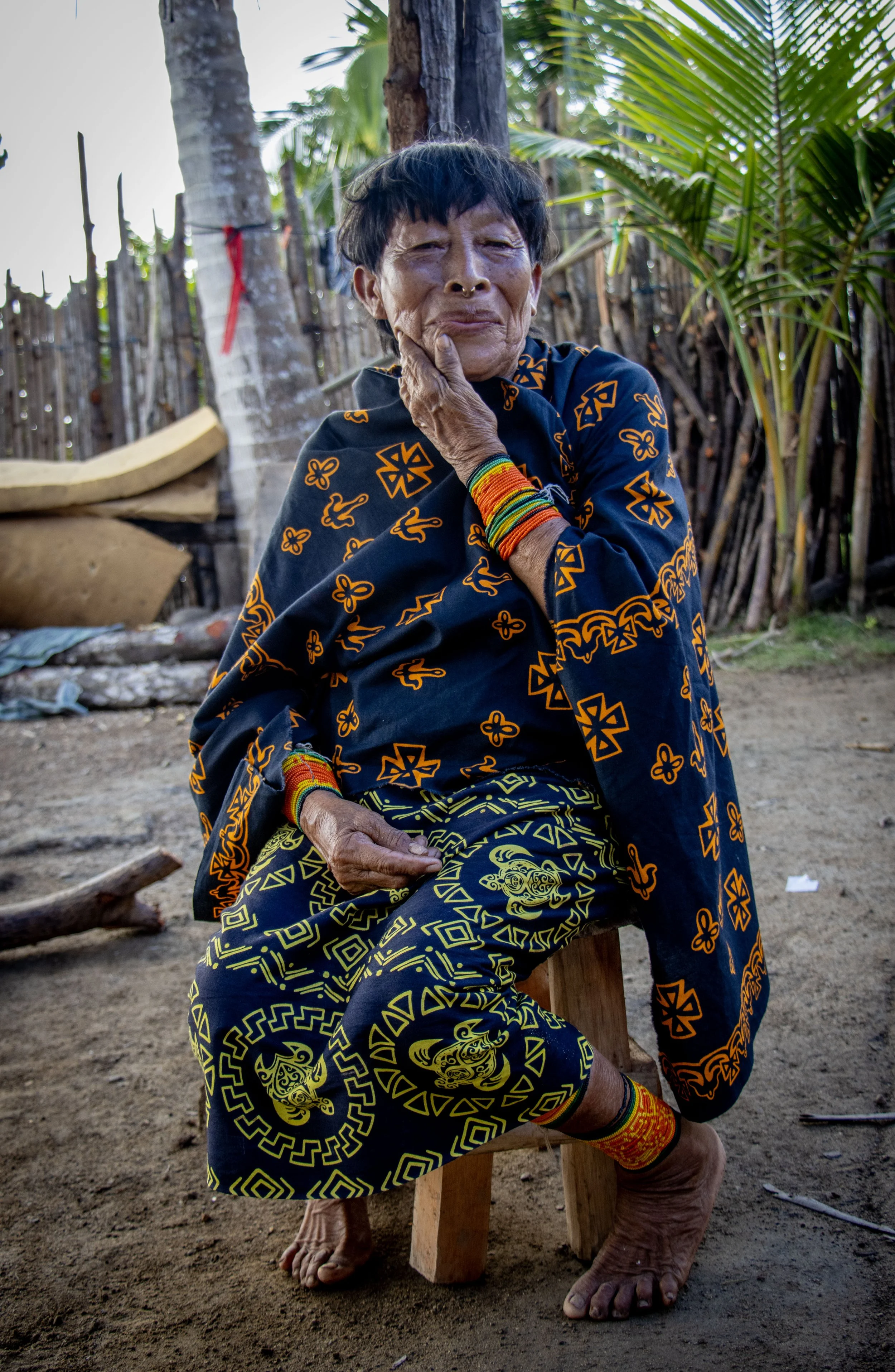
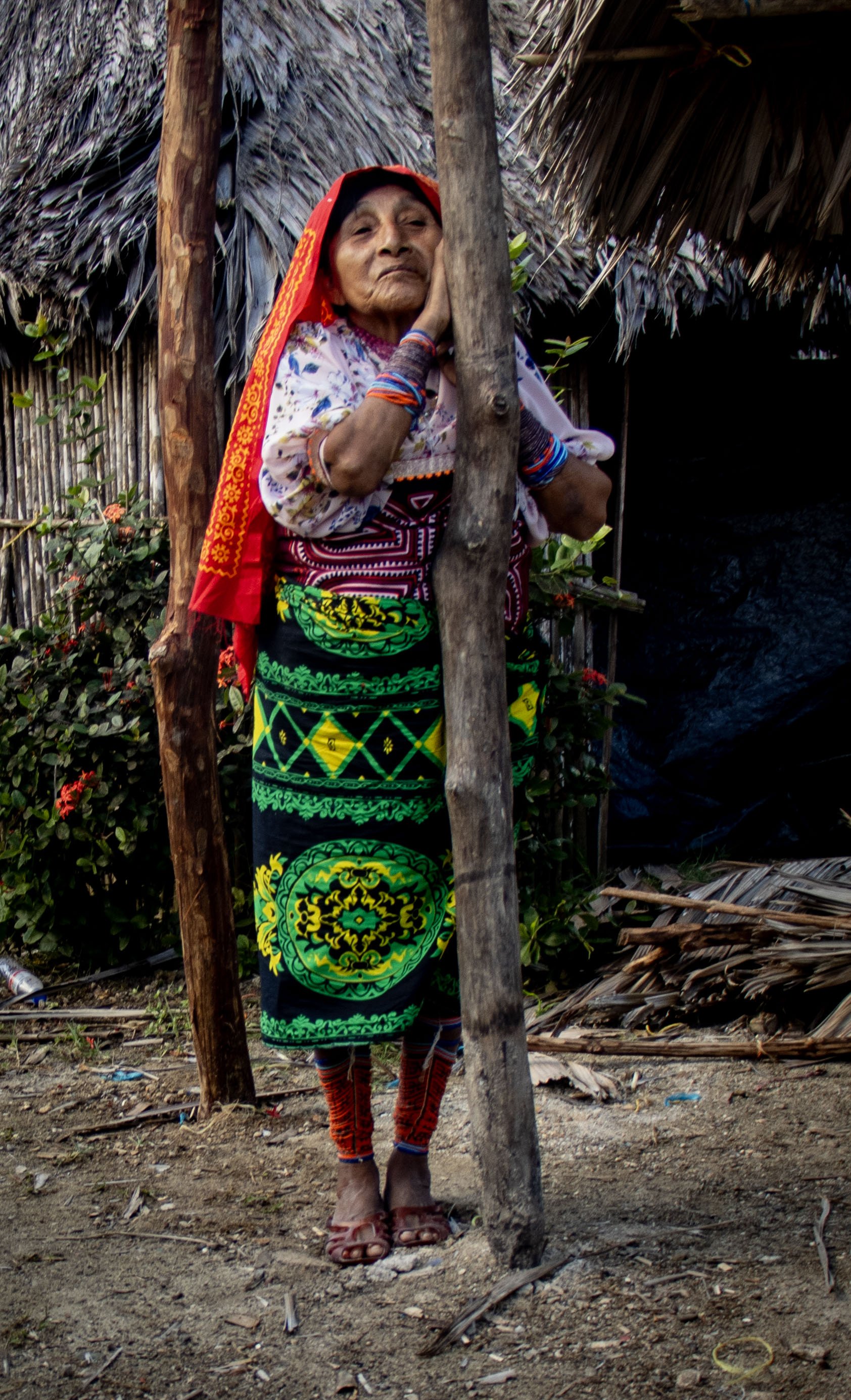
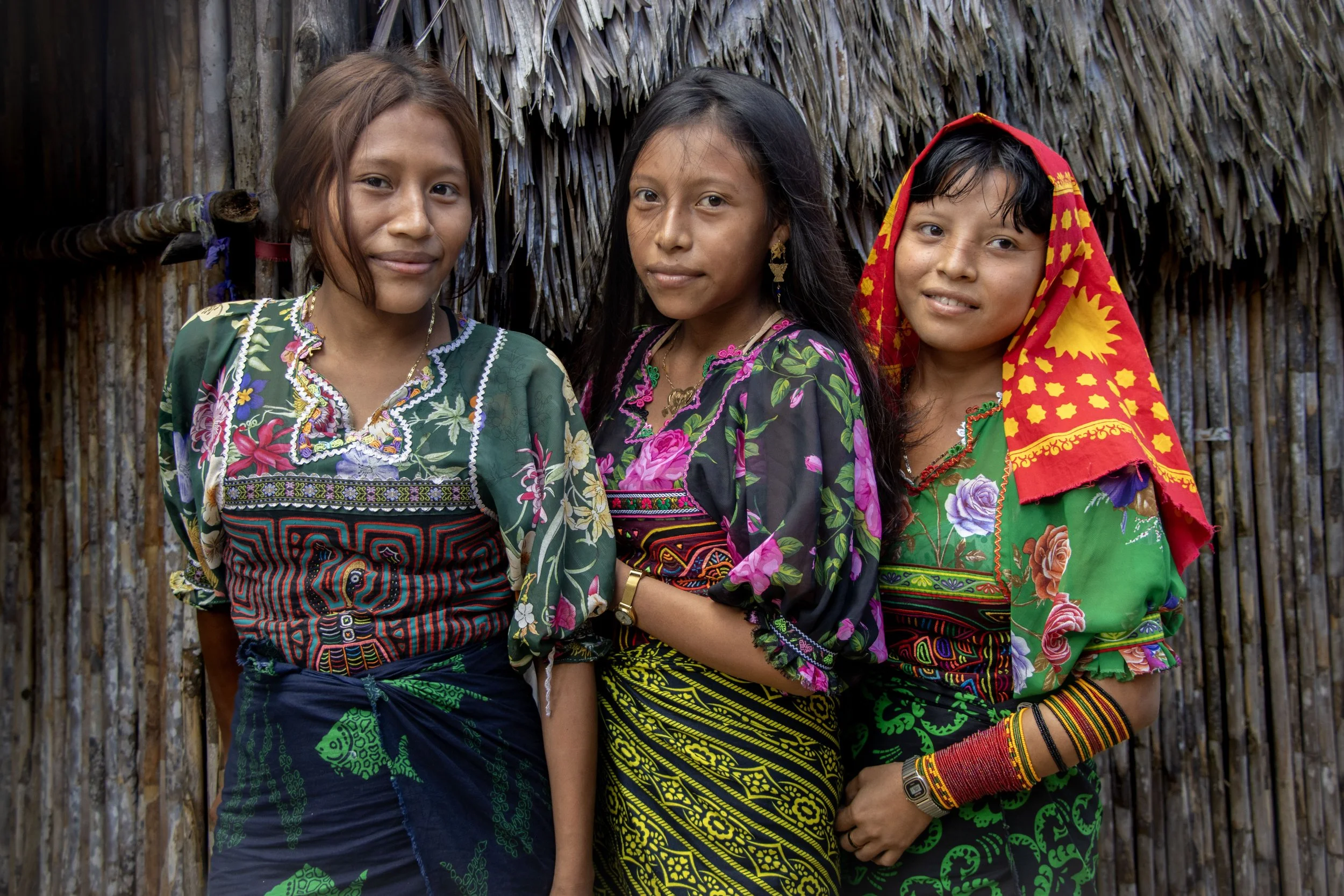
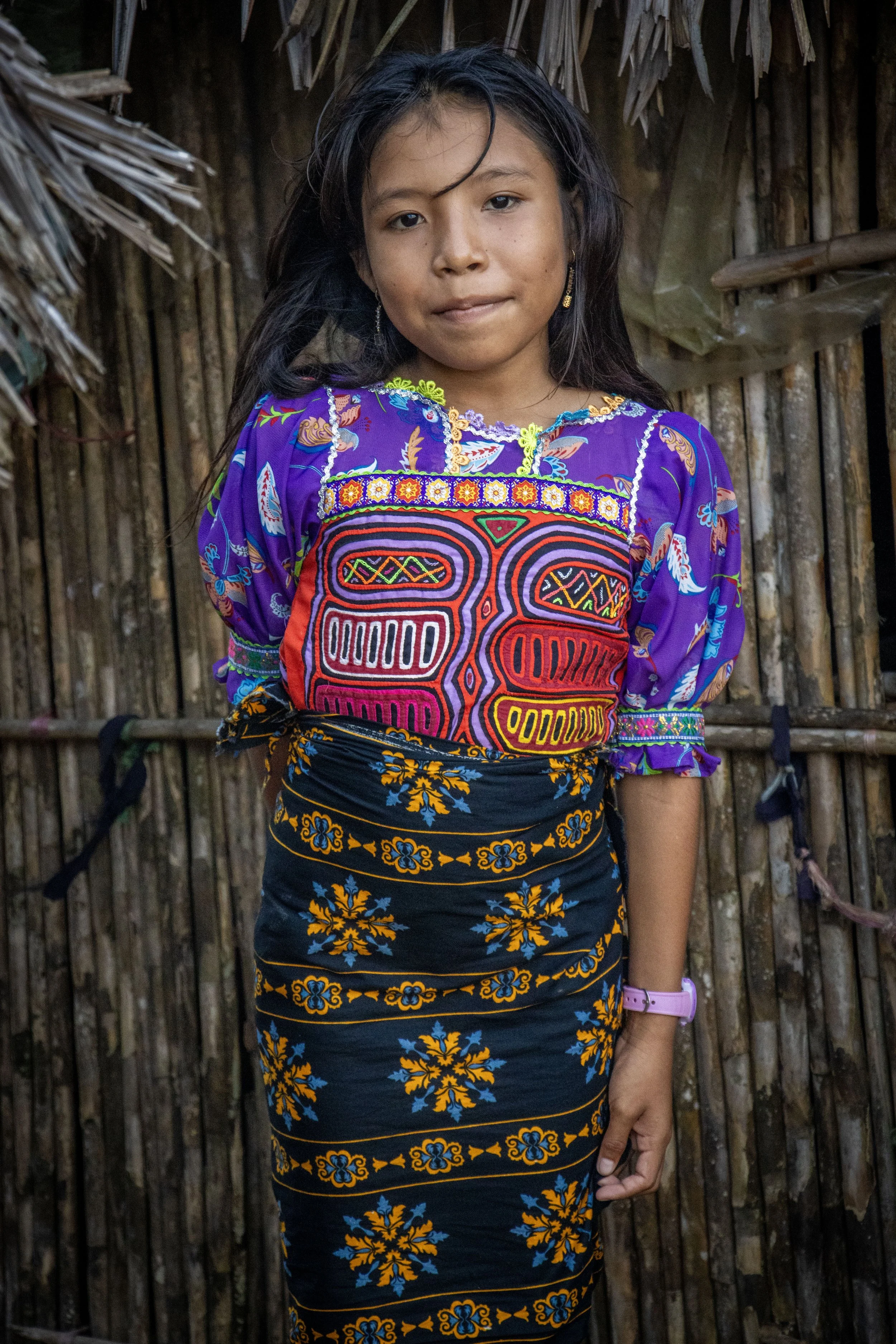
Guna artistry endures as a vivid reflection of their identity. The intricate molas — layered textiles sewn by women — weave together myth, geometry, and resistance, transforming everyday clothing into a living archive of memory and belief.