The Mumwila, Kuvale, Himba and Makahona — “Those Who Remember”
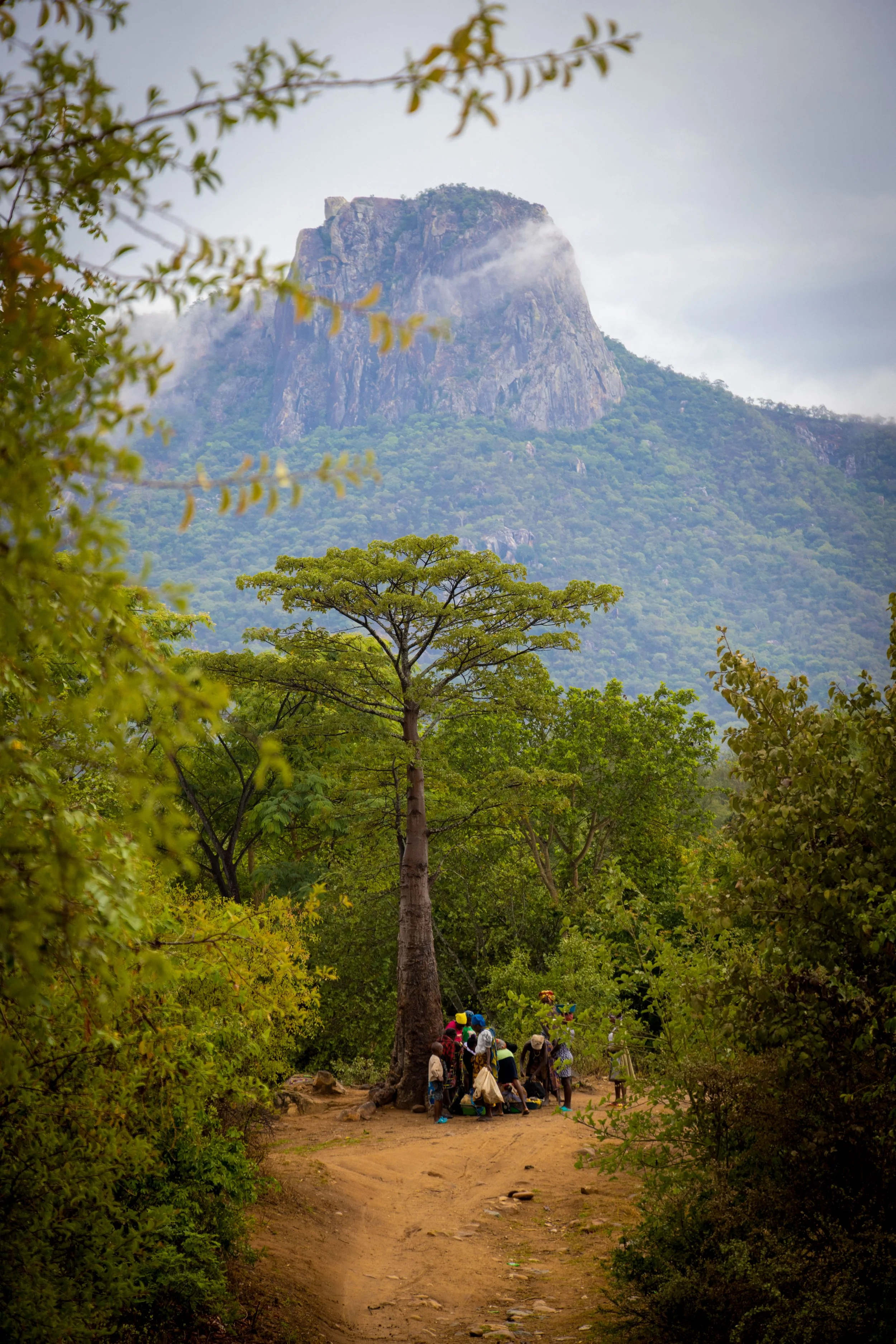
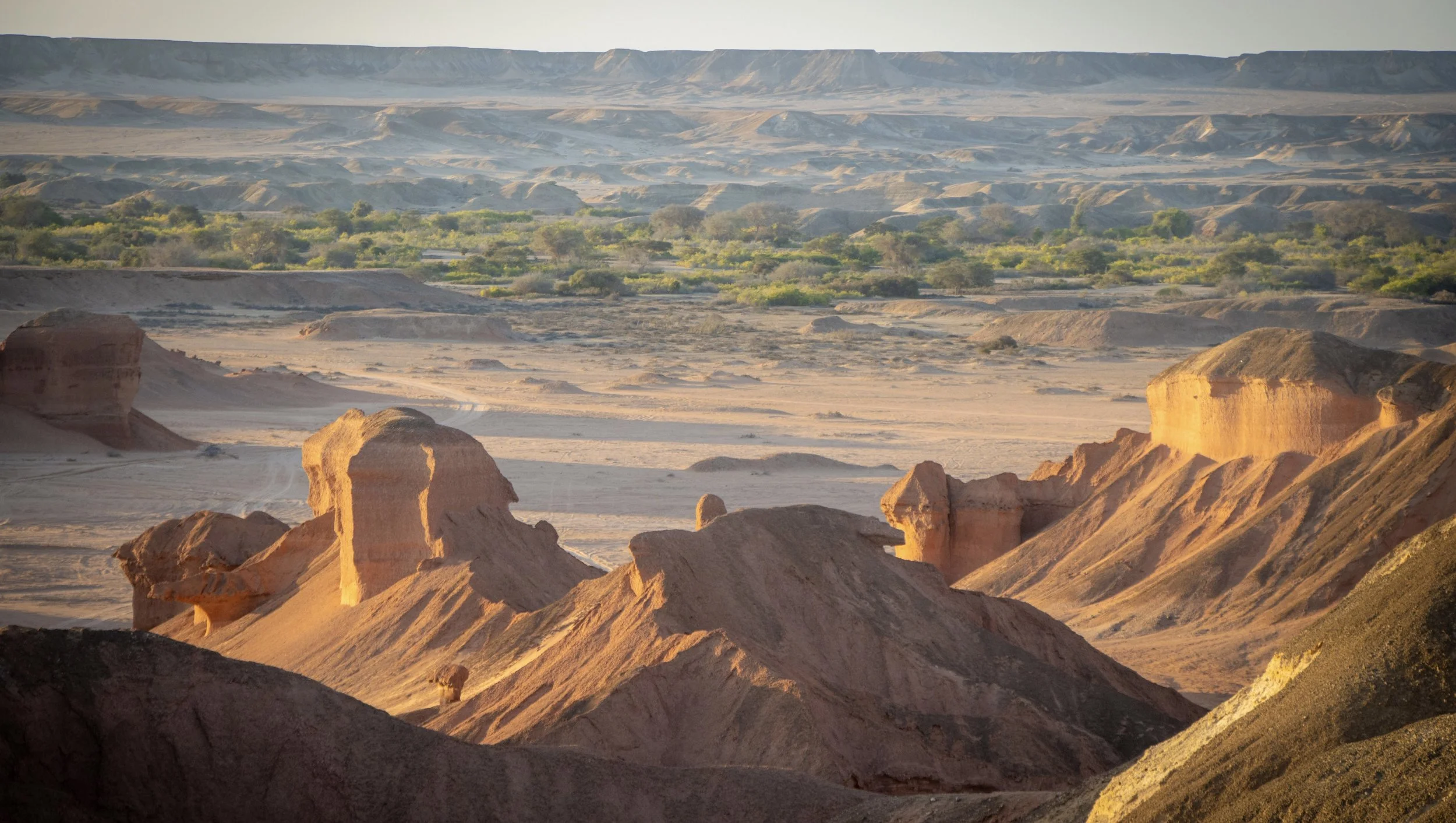
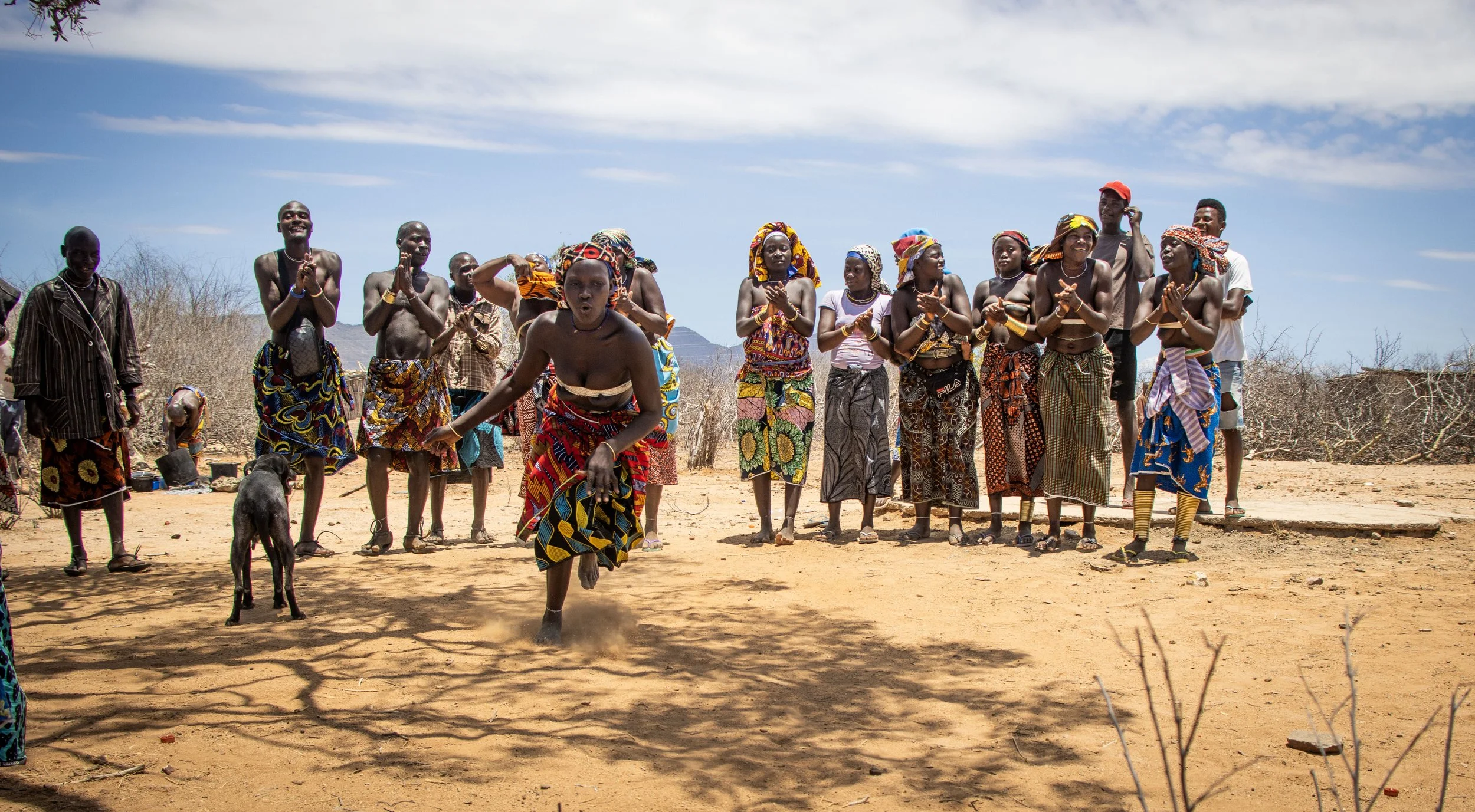
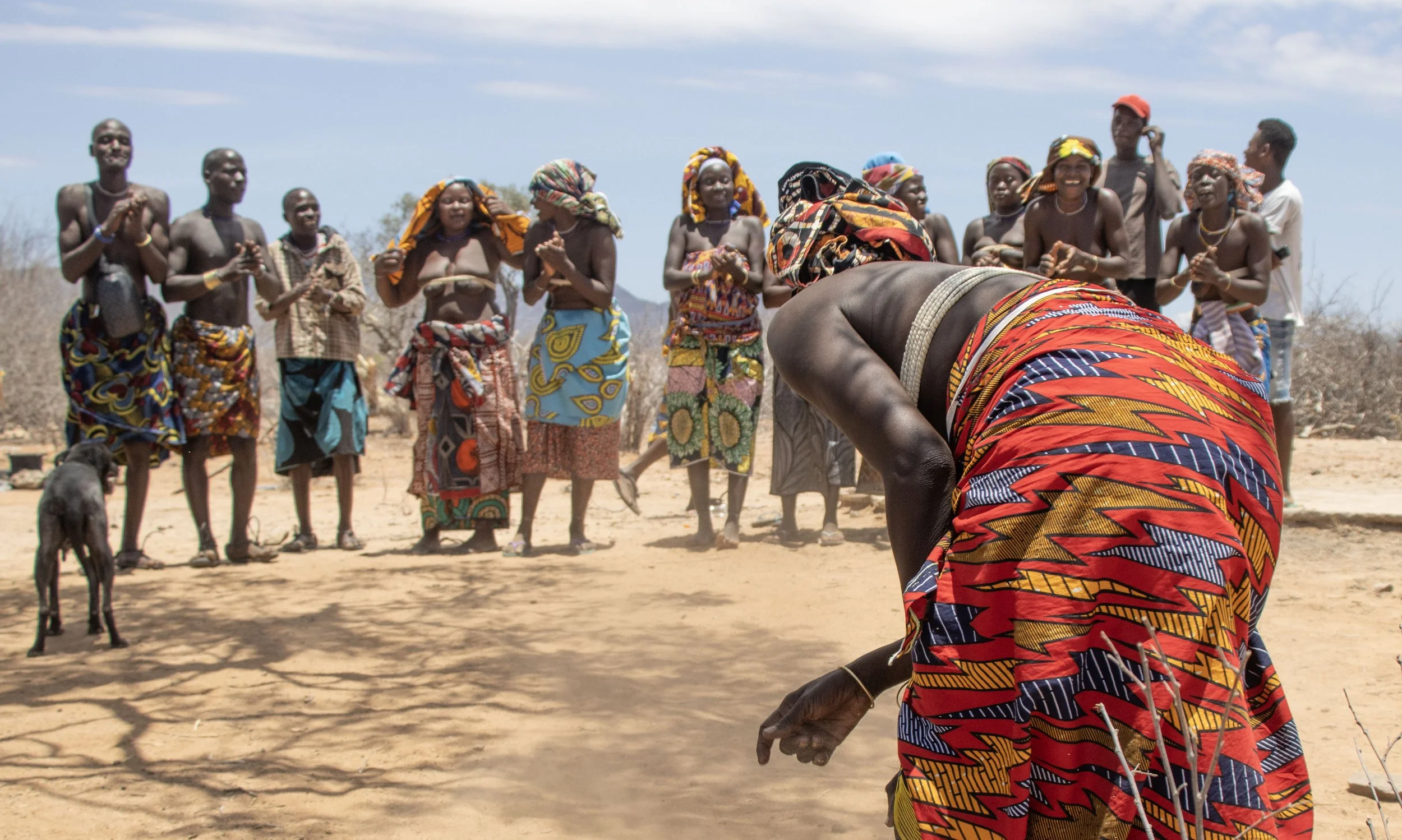
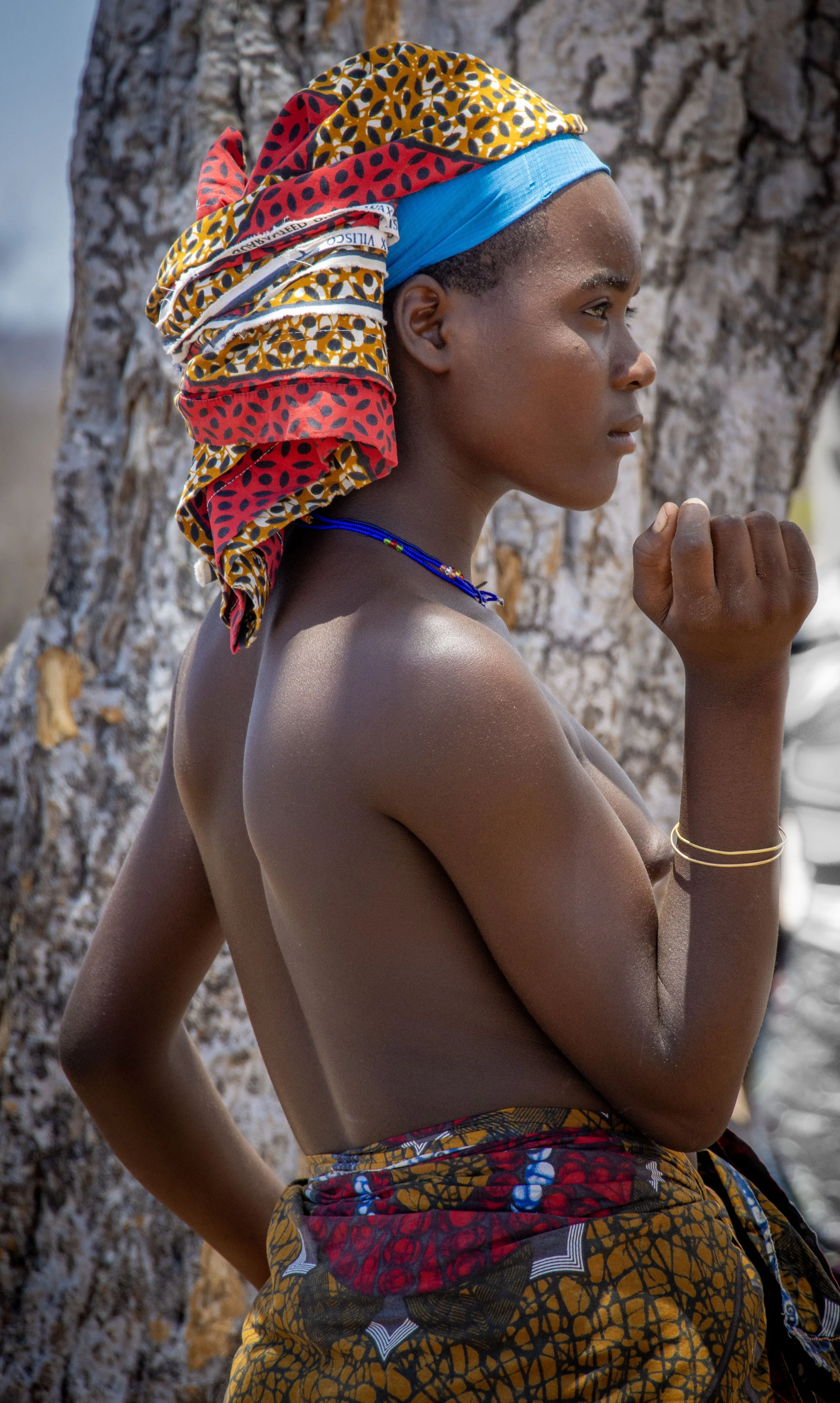
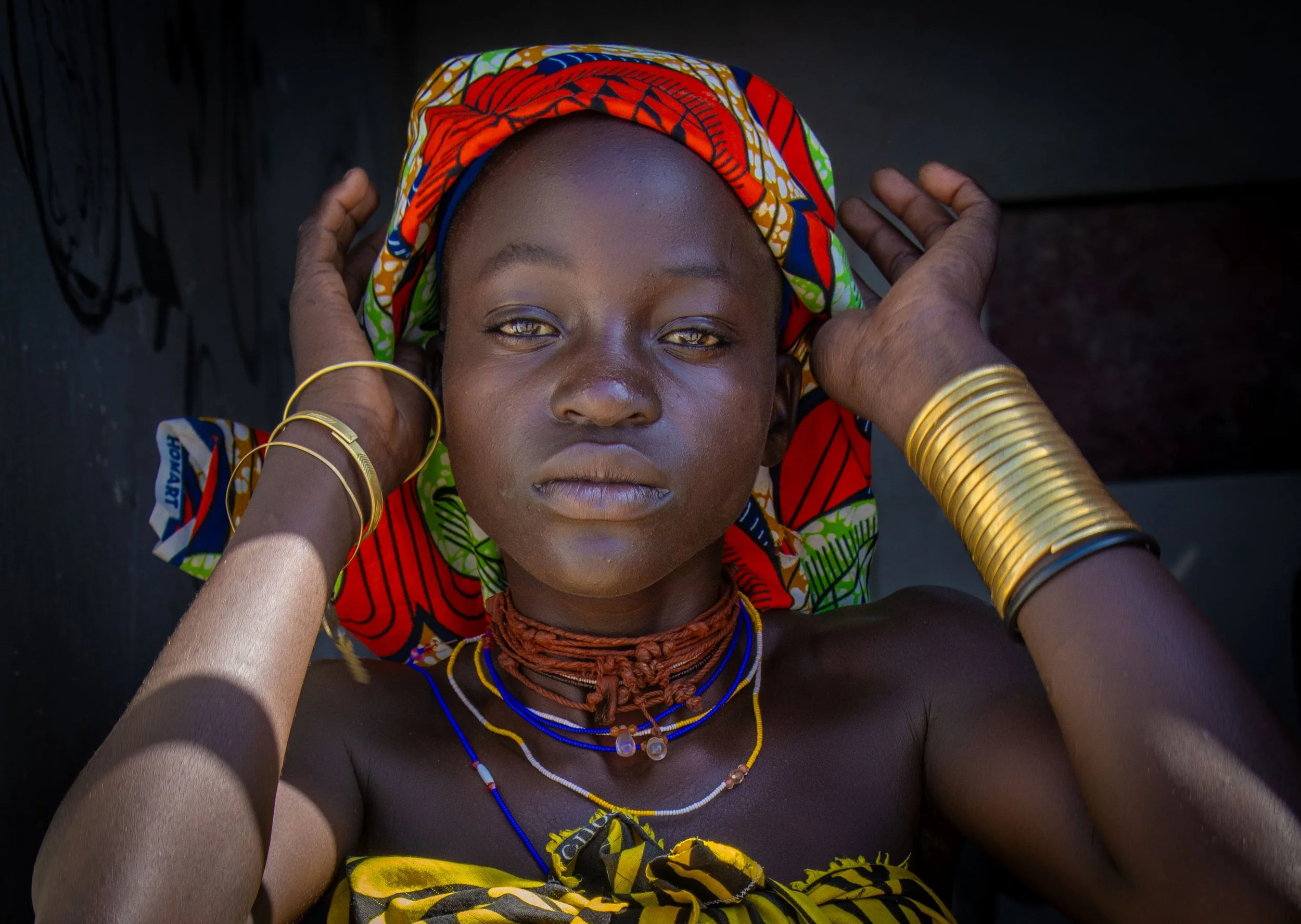
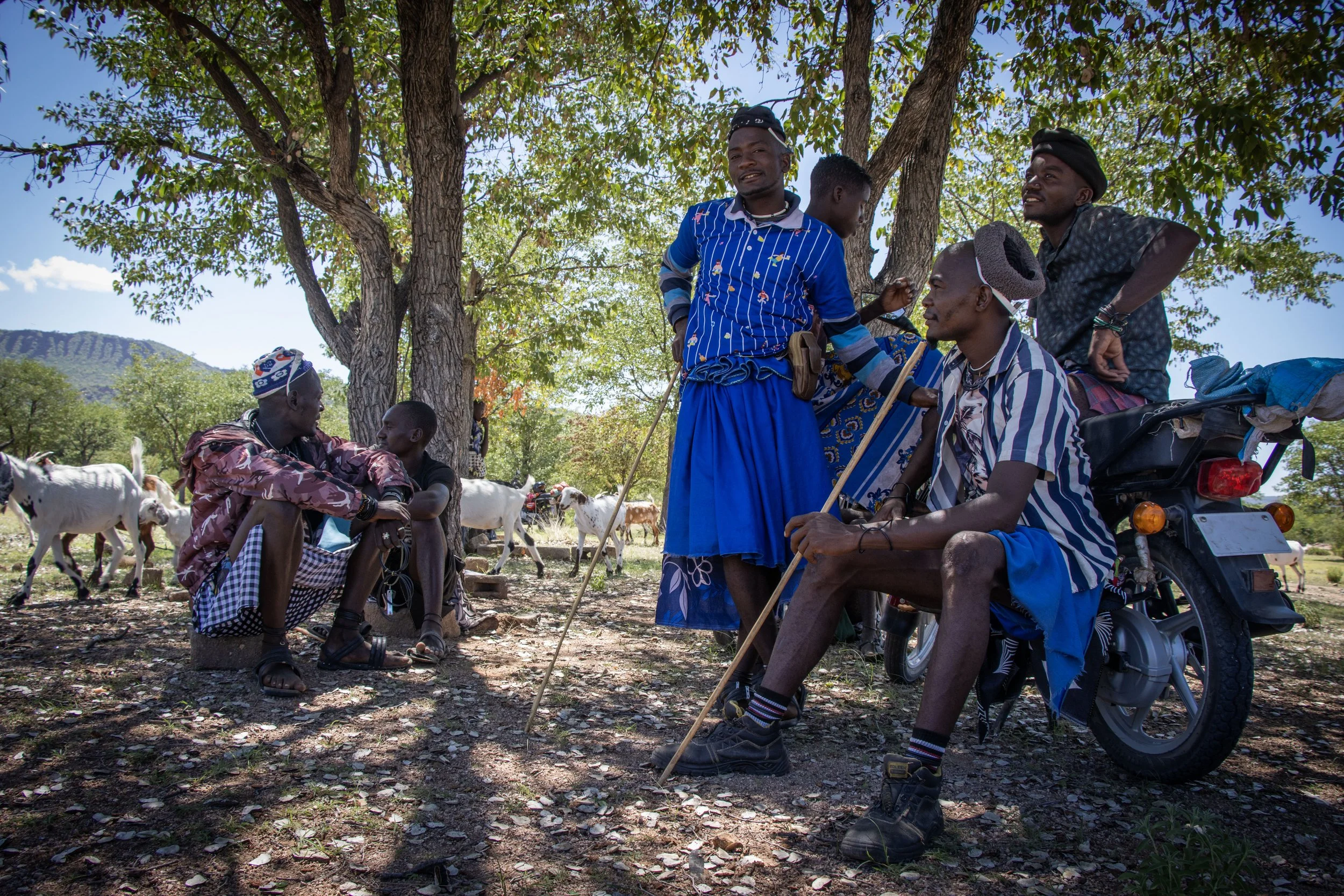
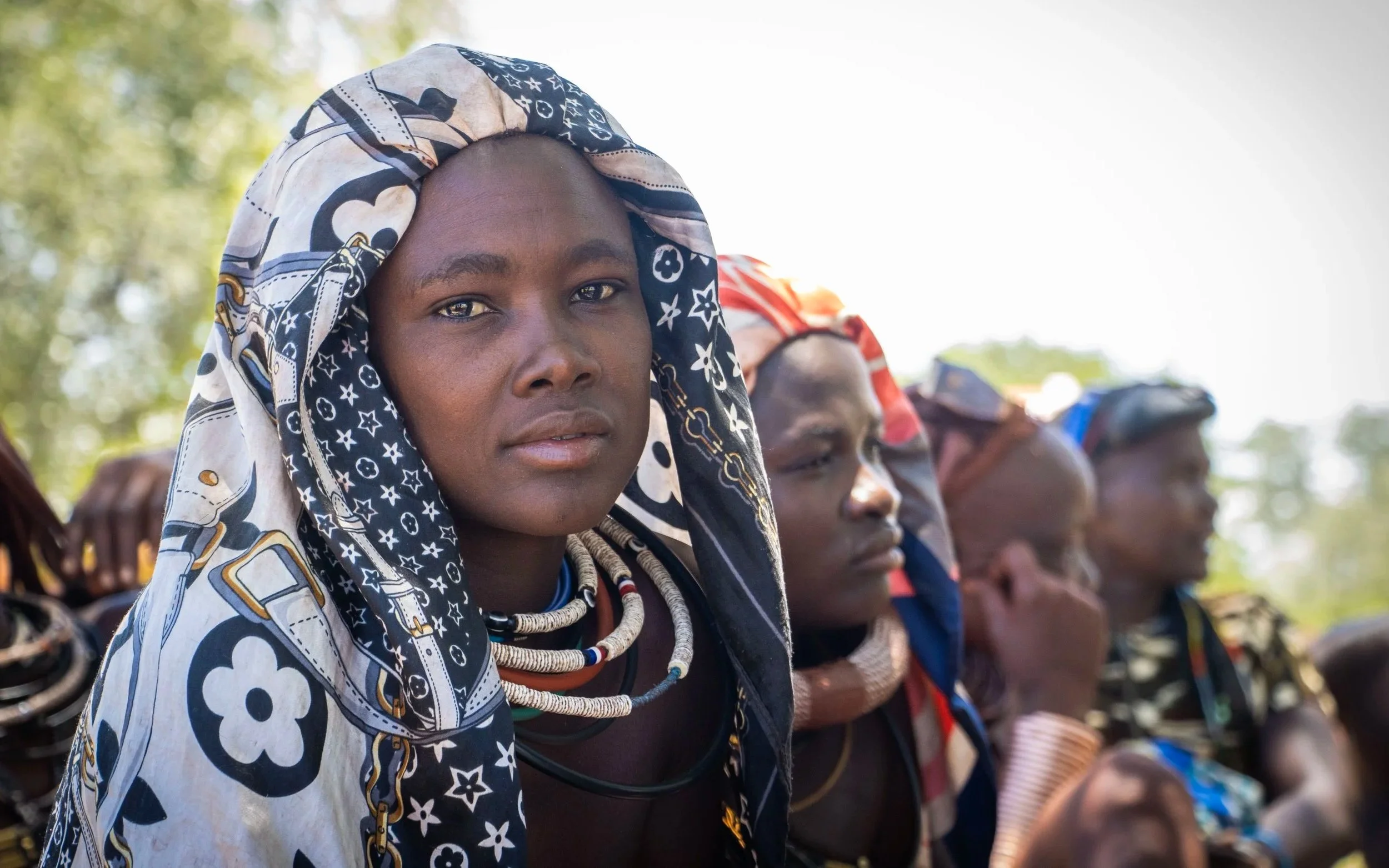
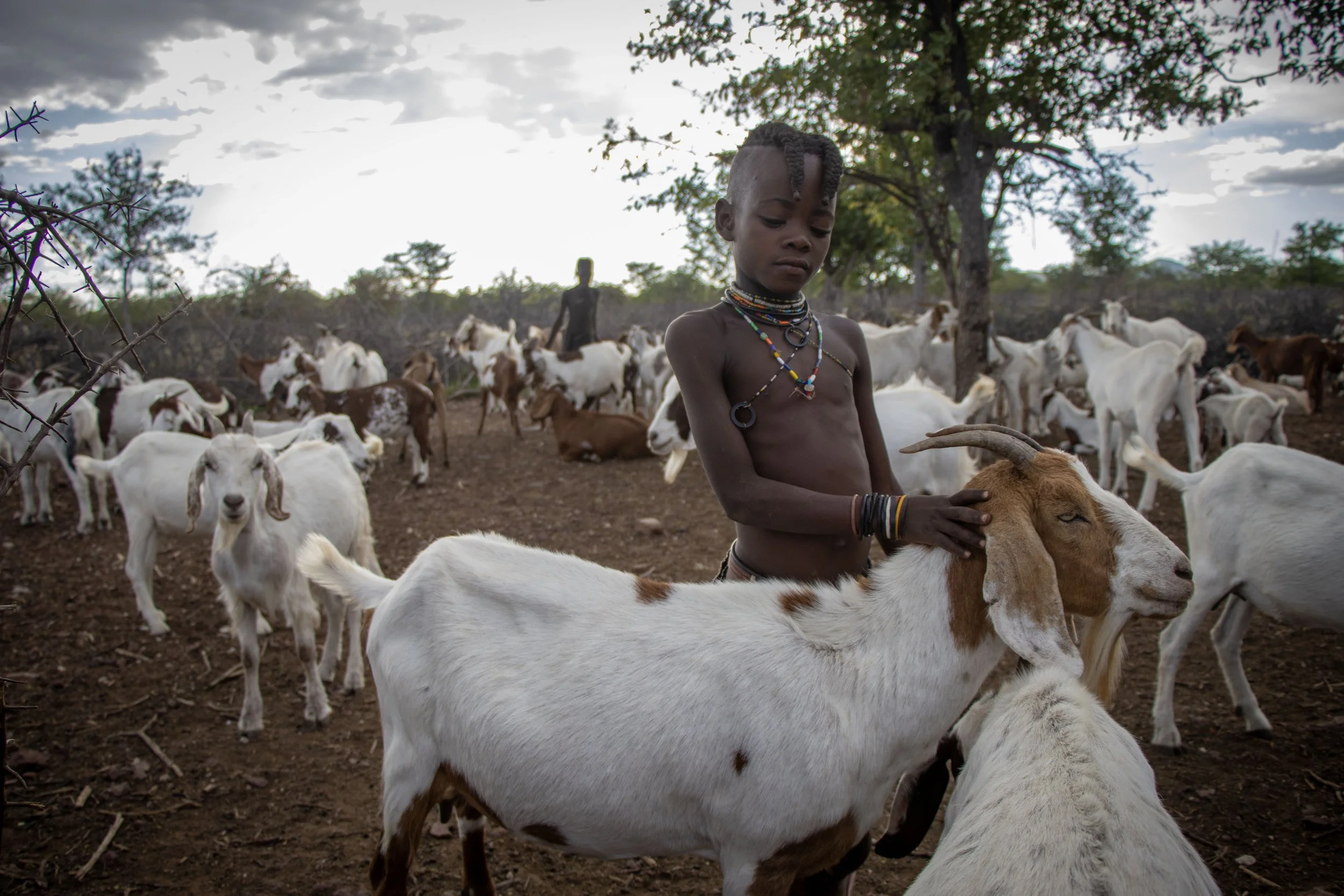
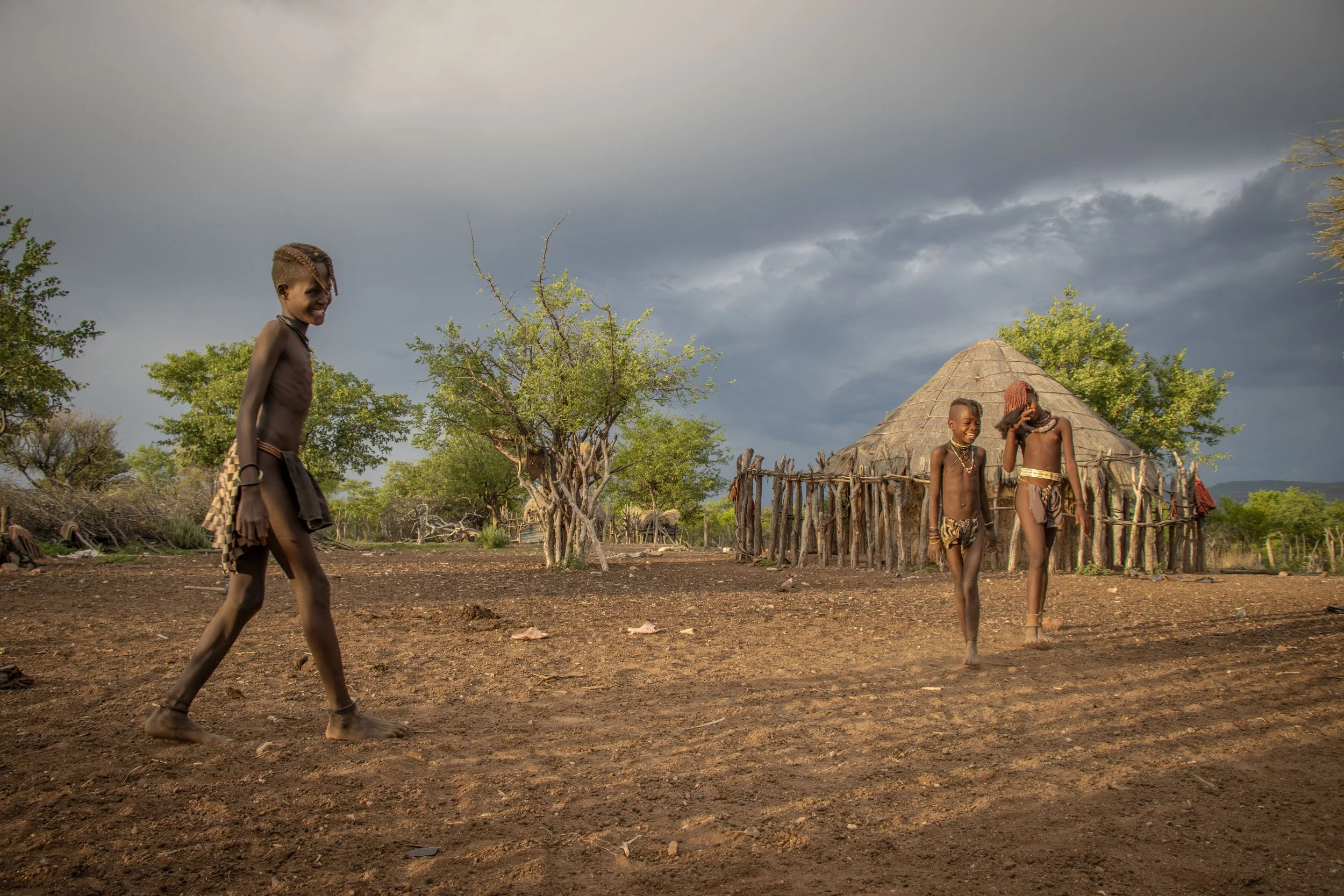
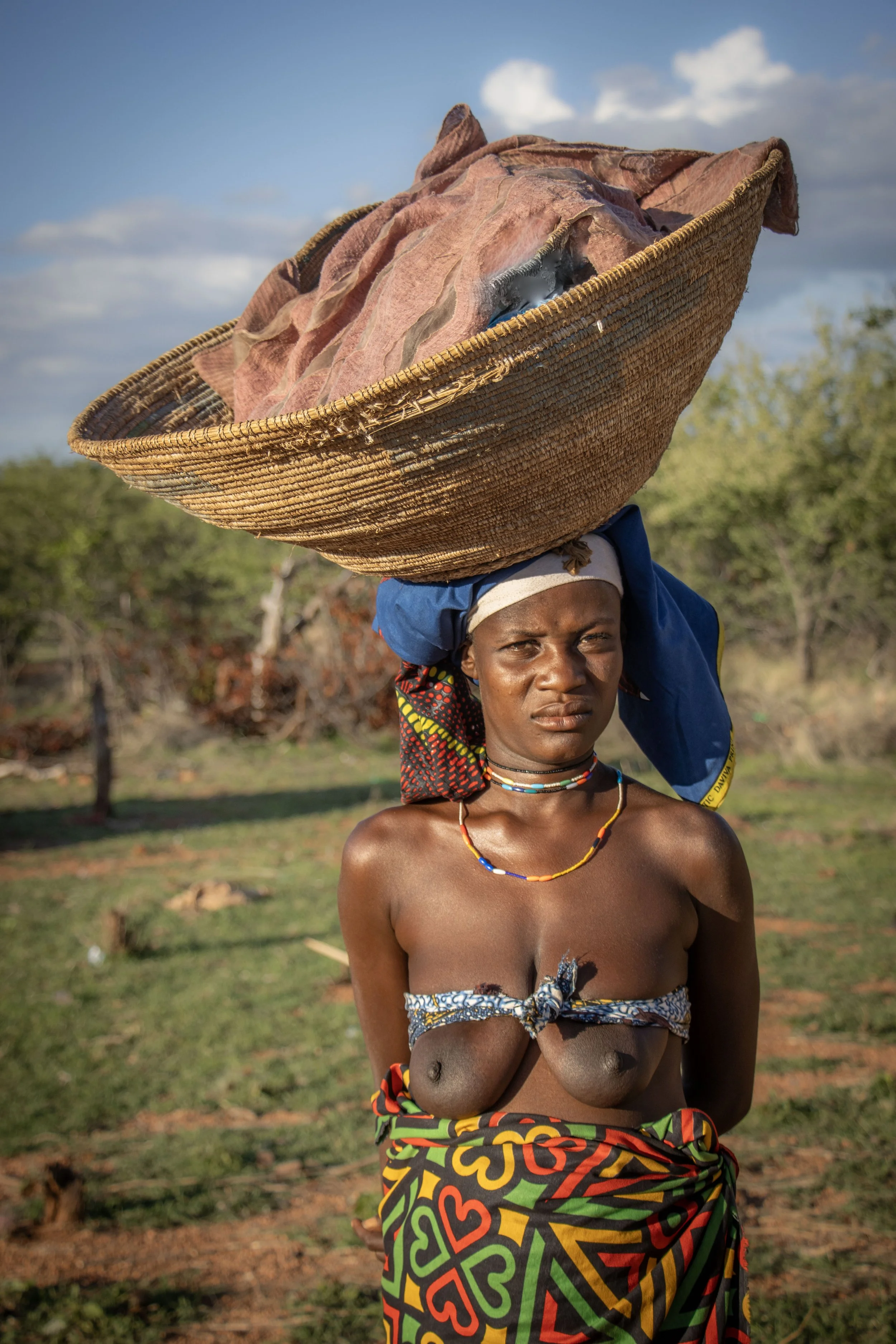
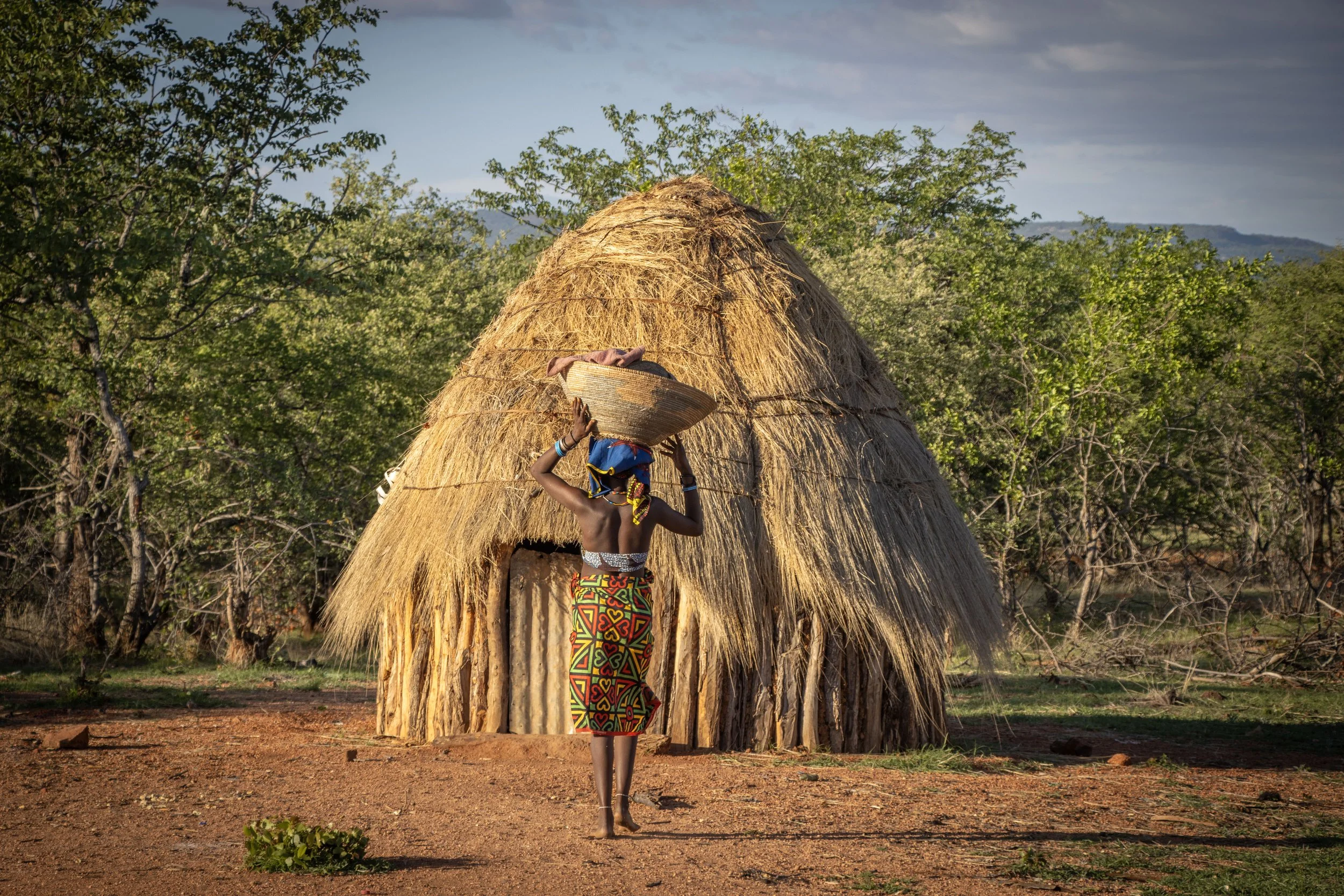
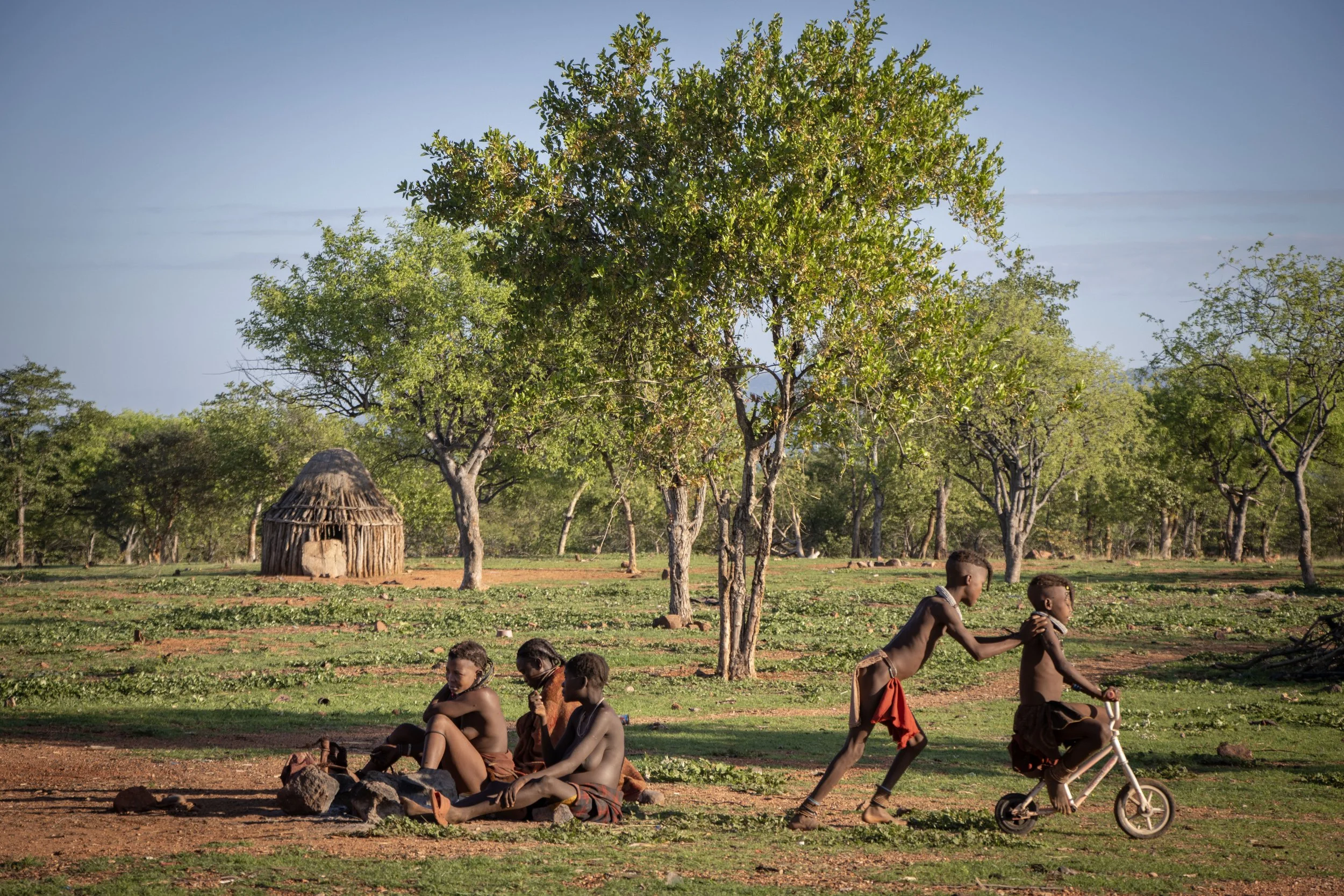
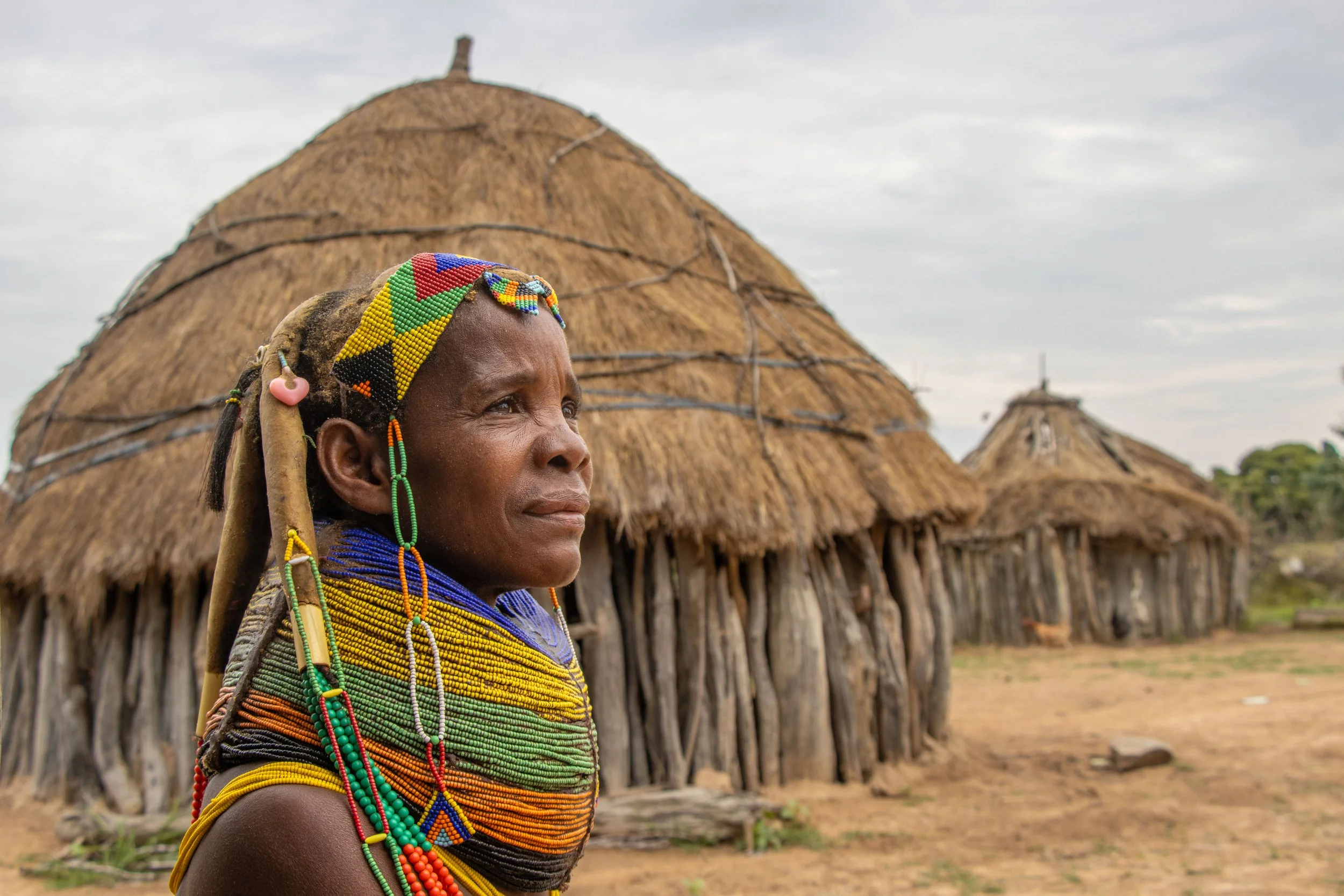
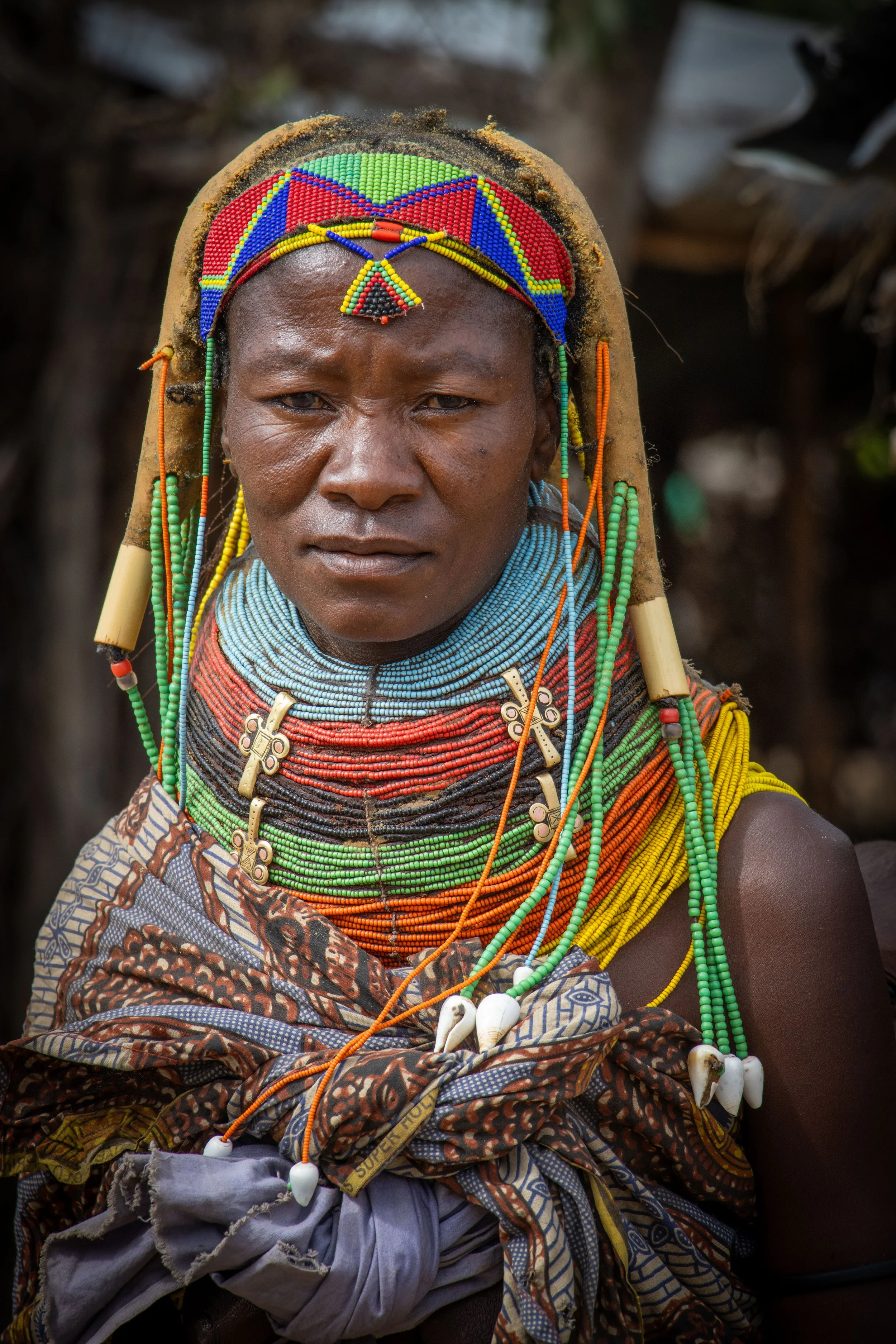
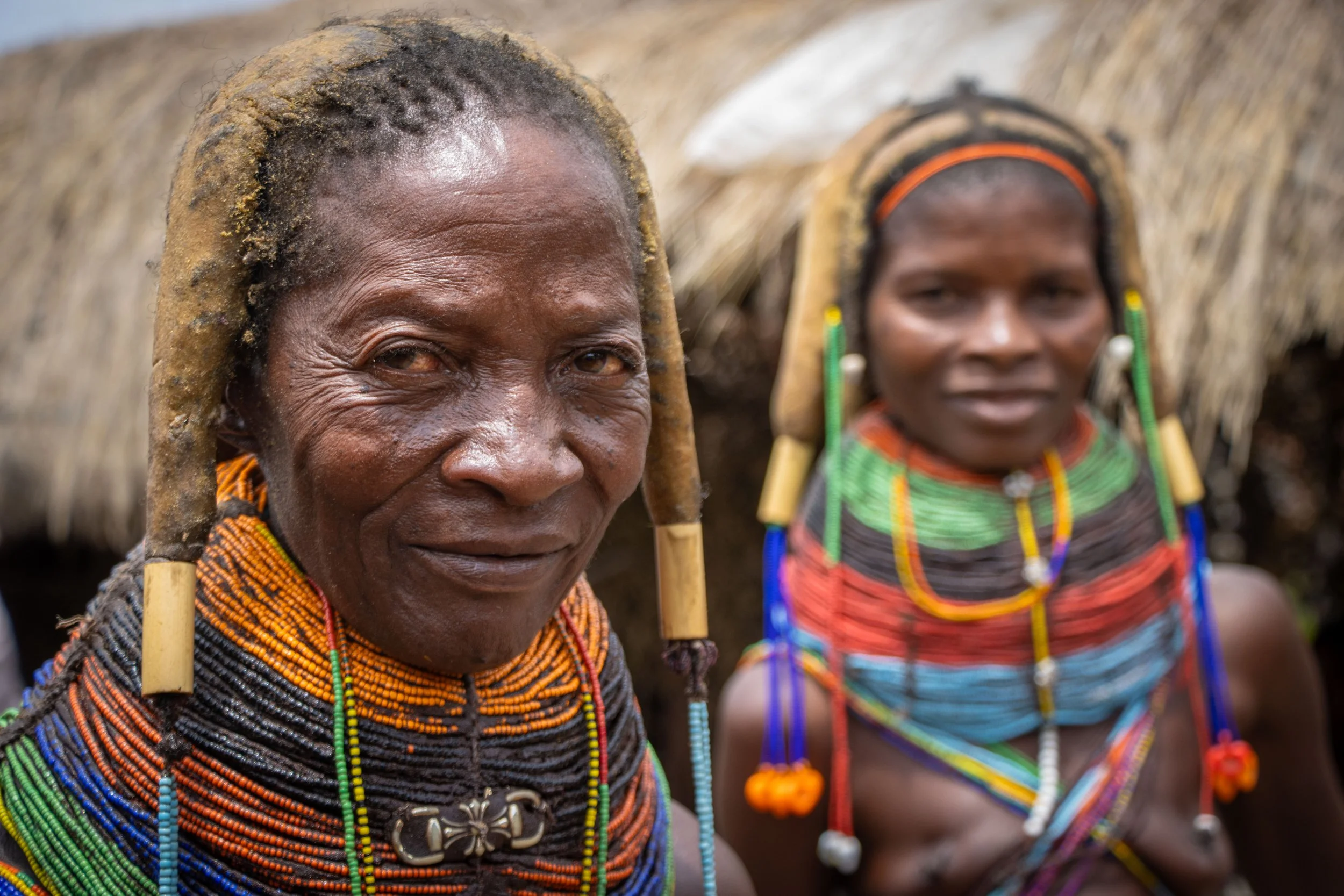
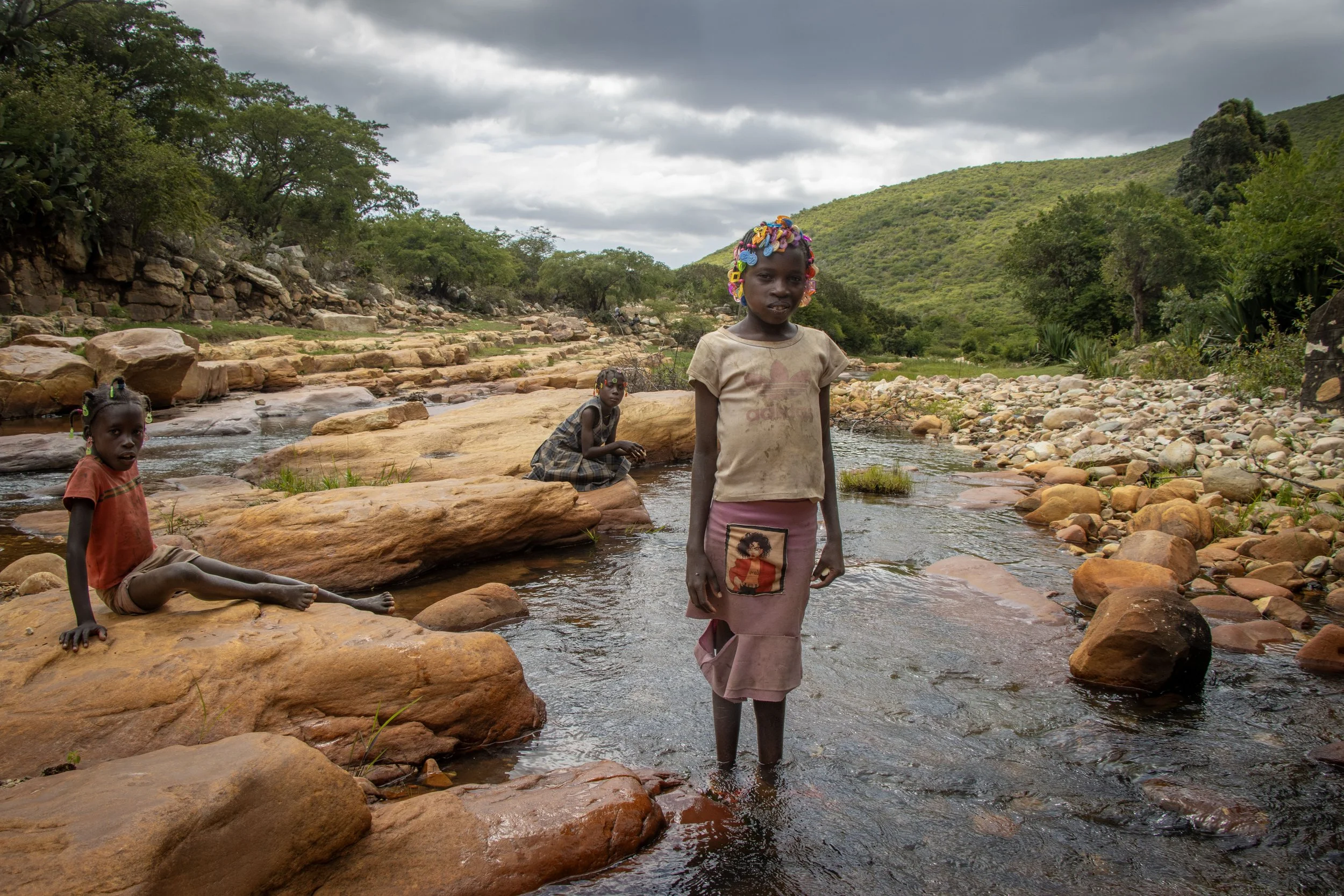
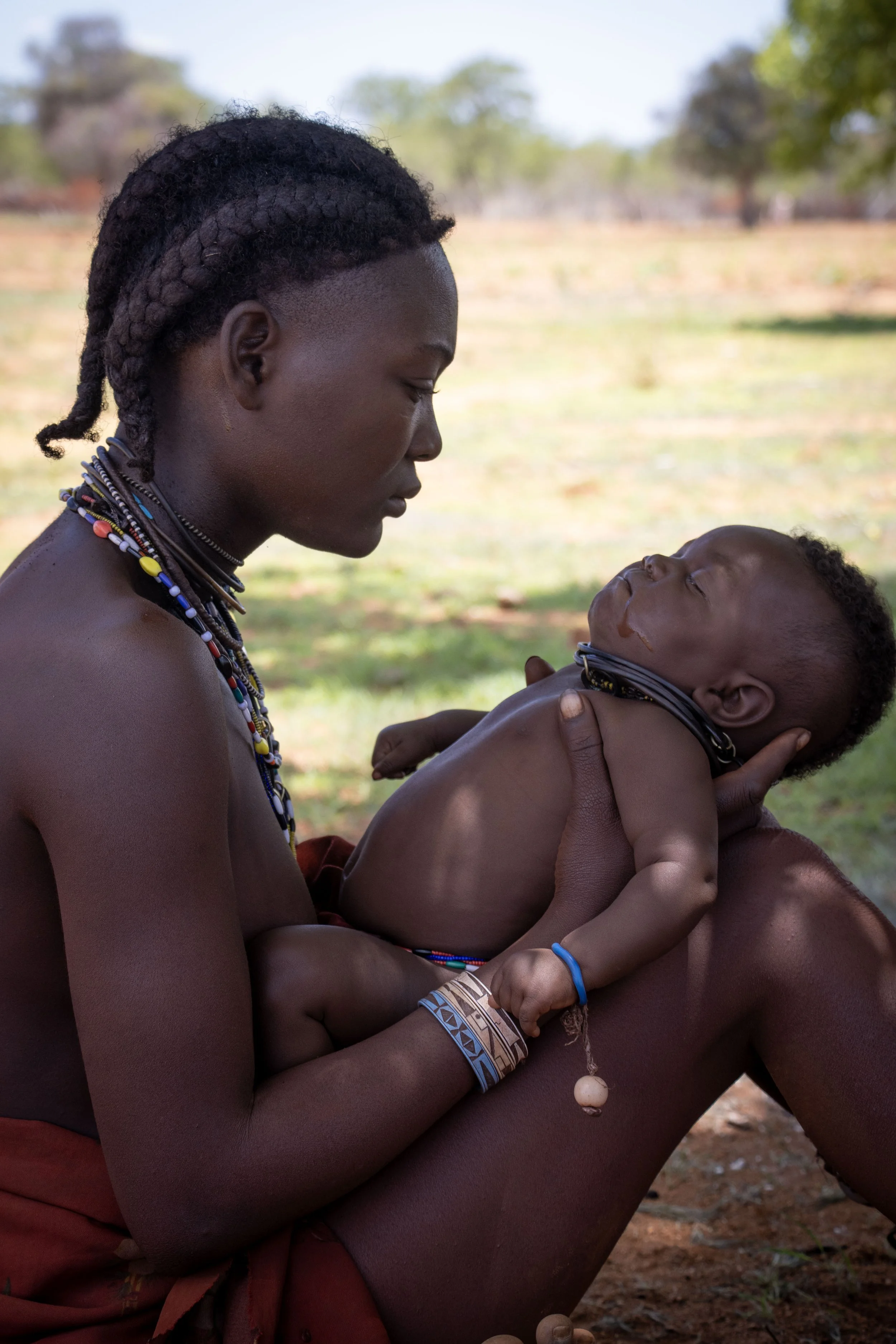
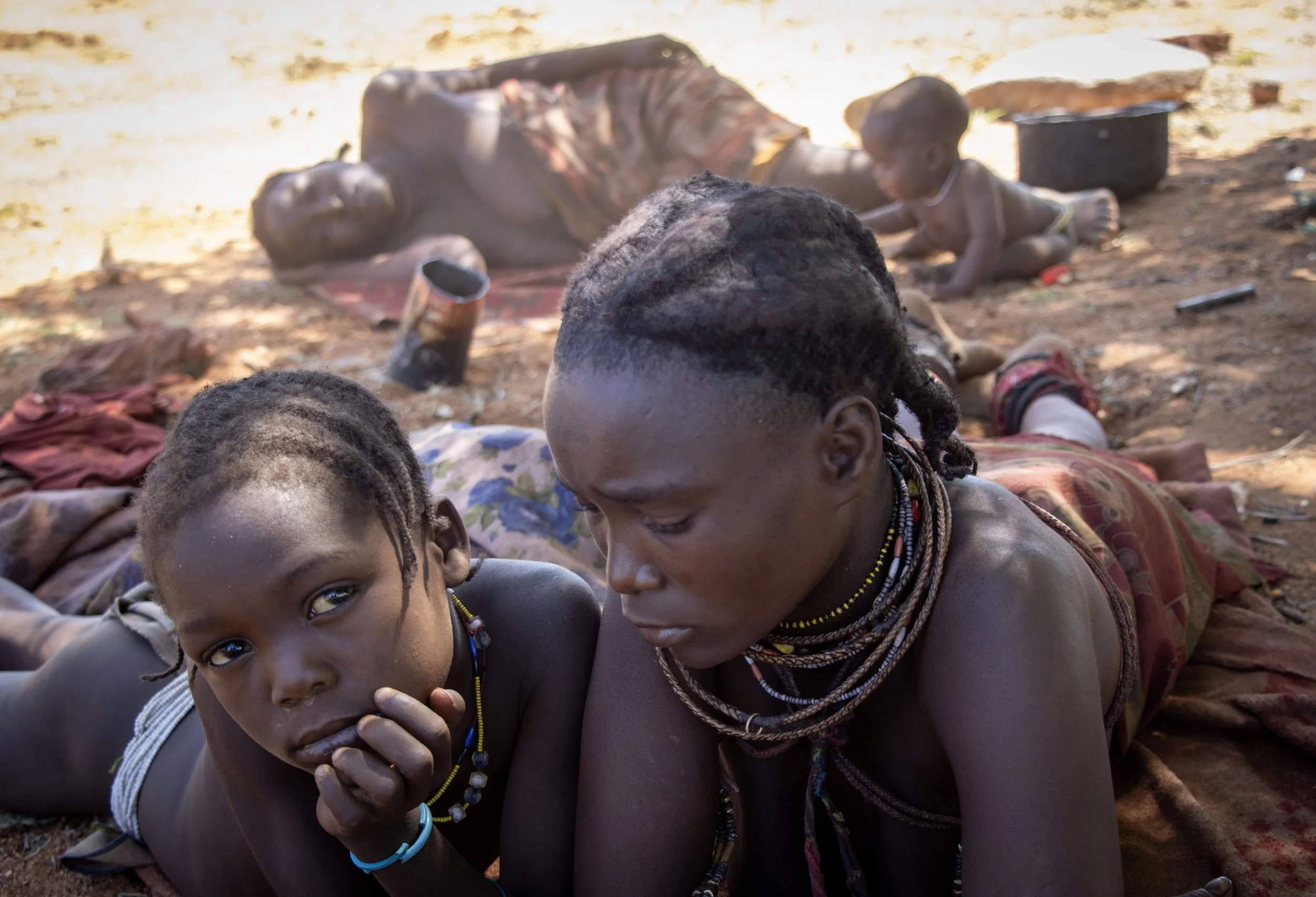
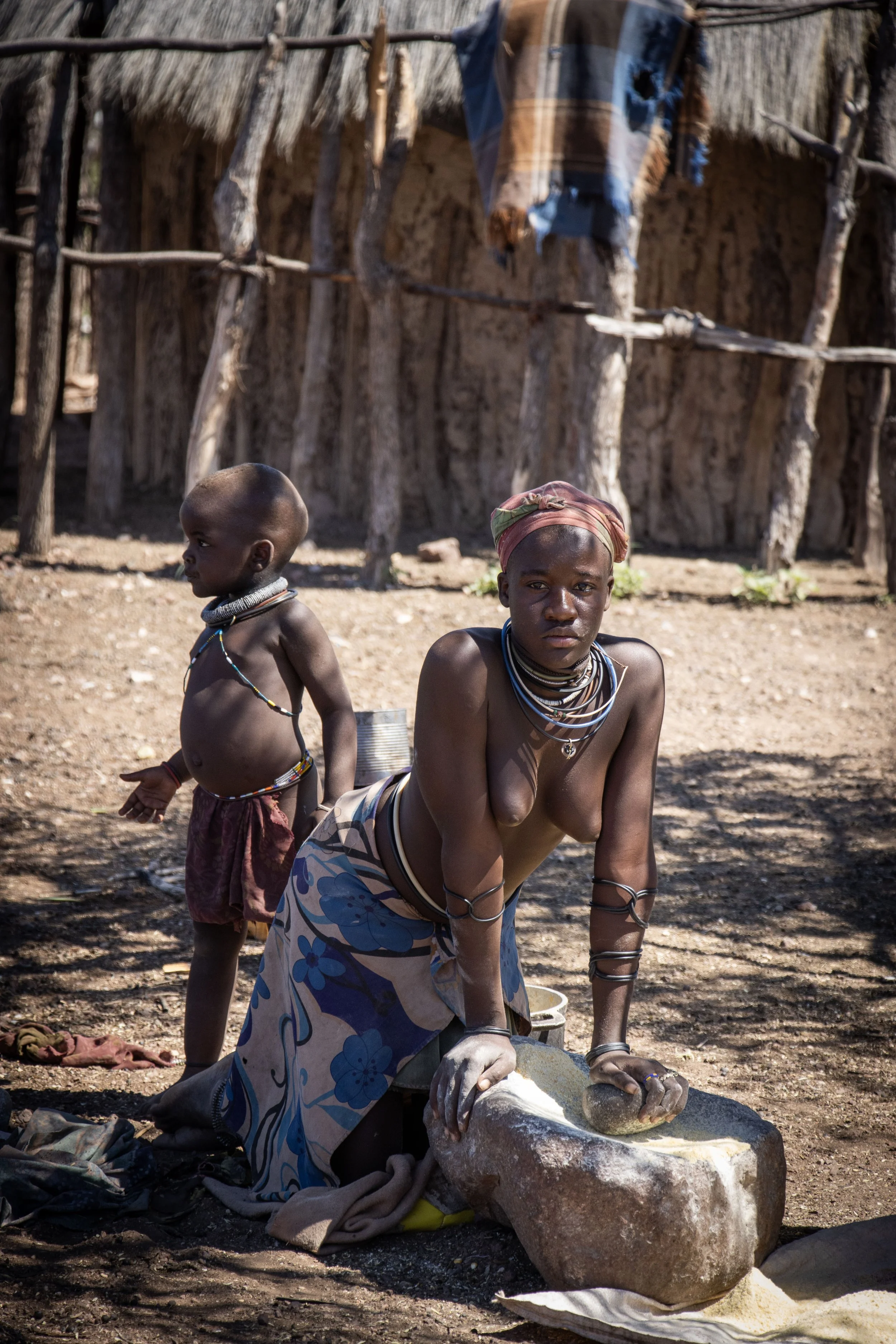
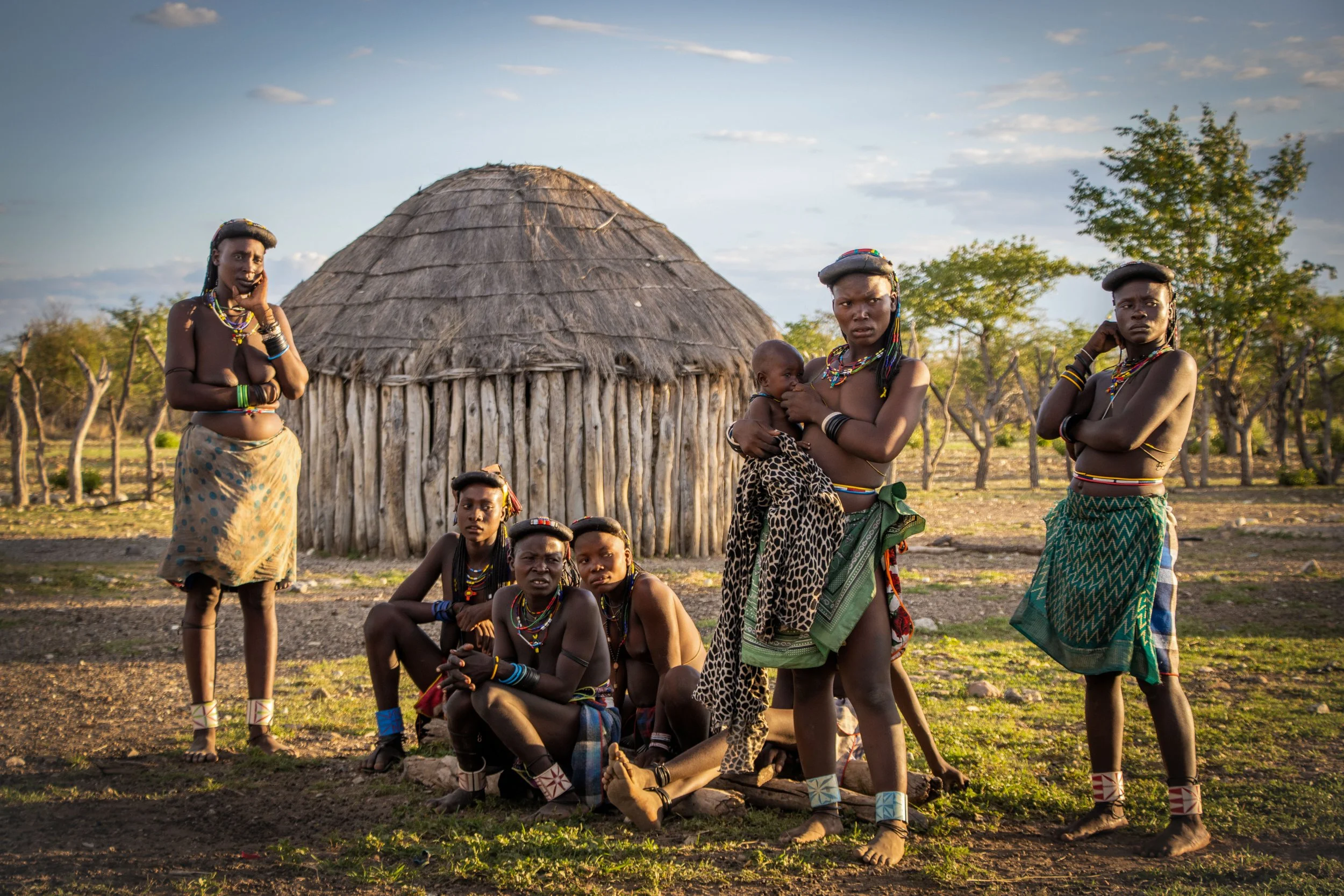
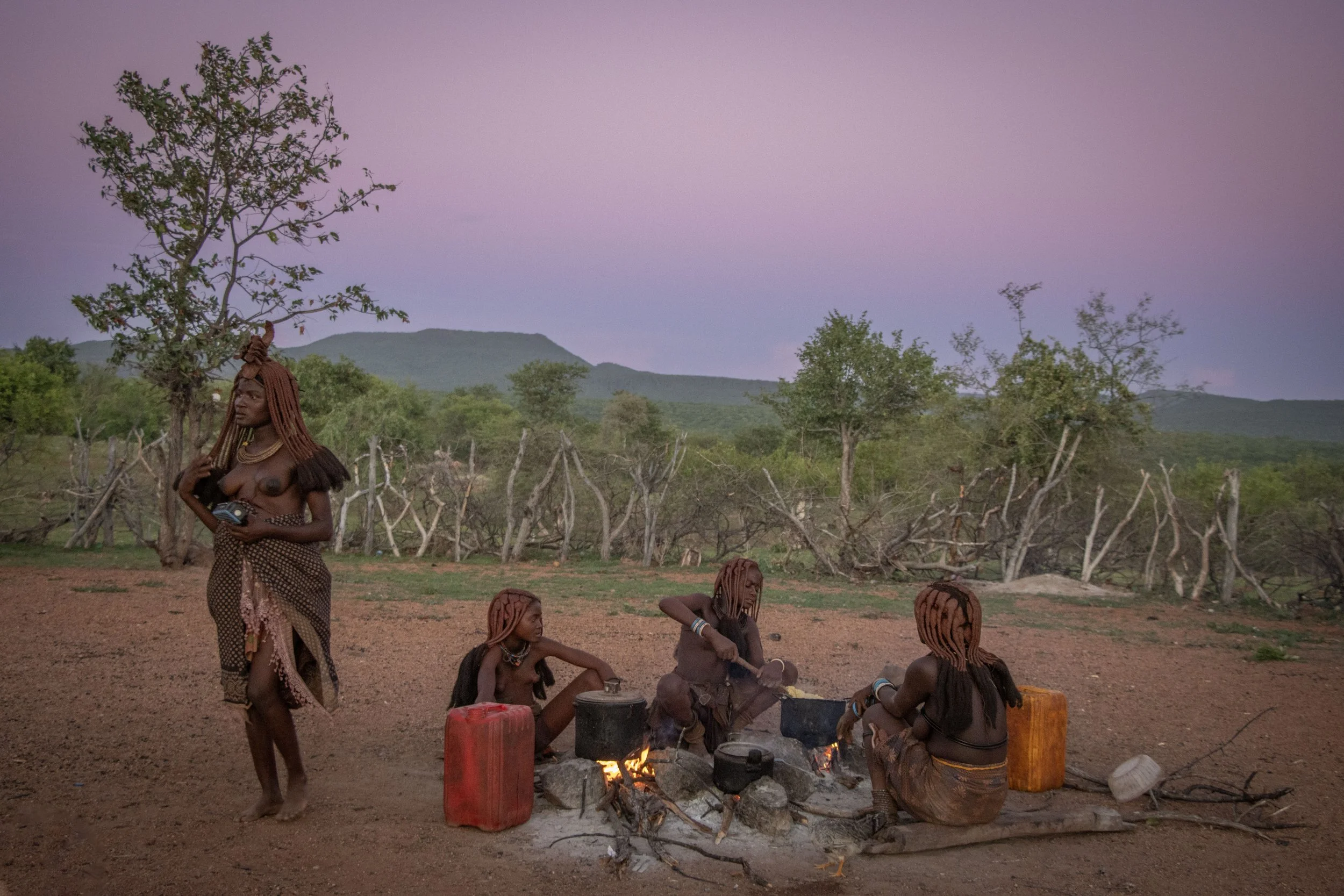
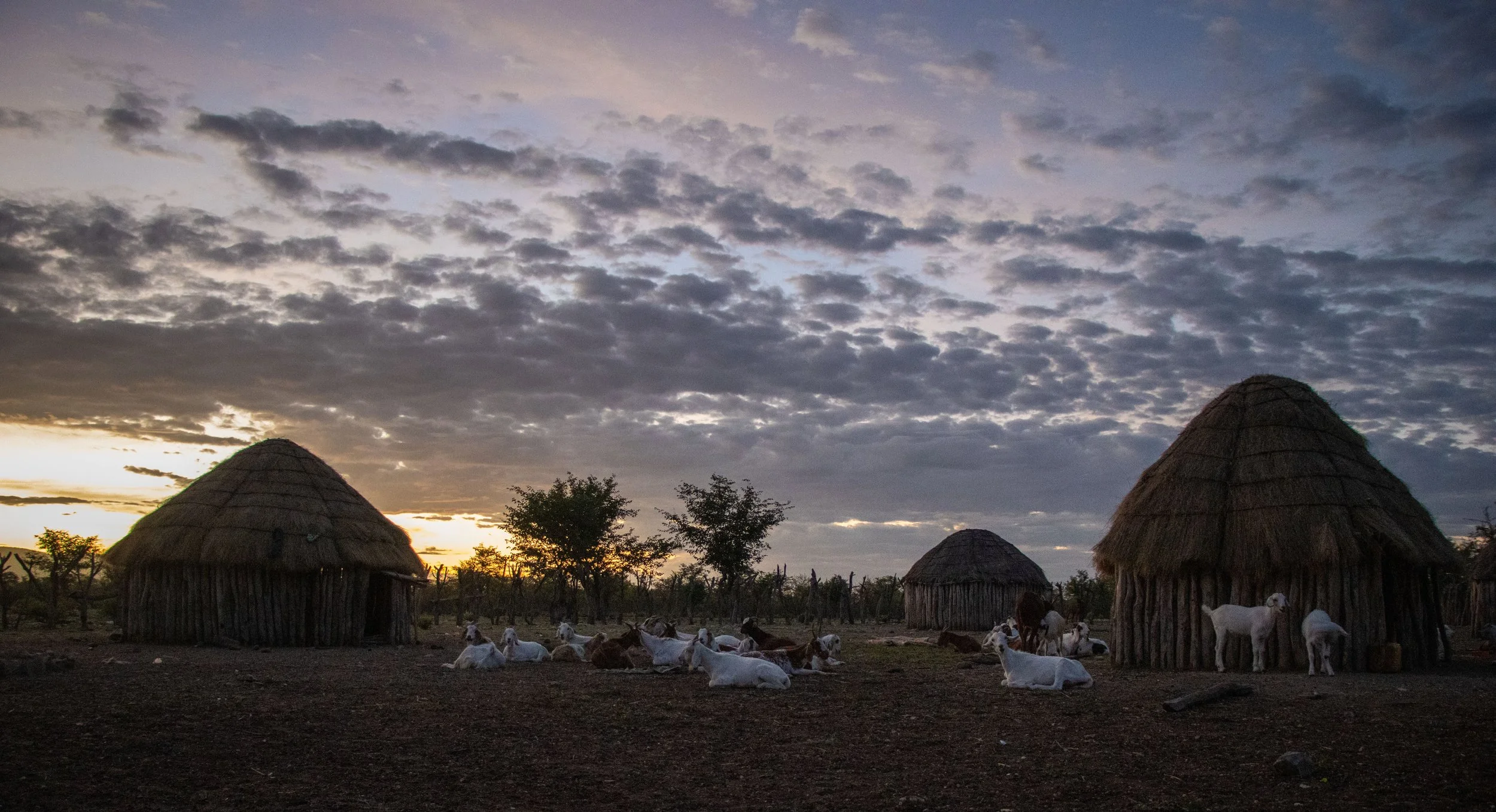
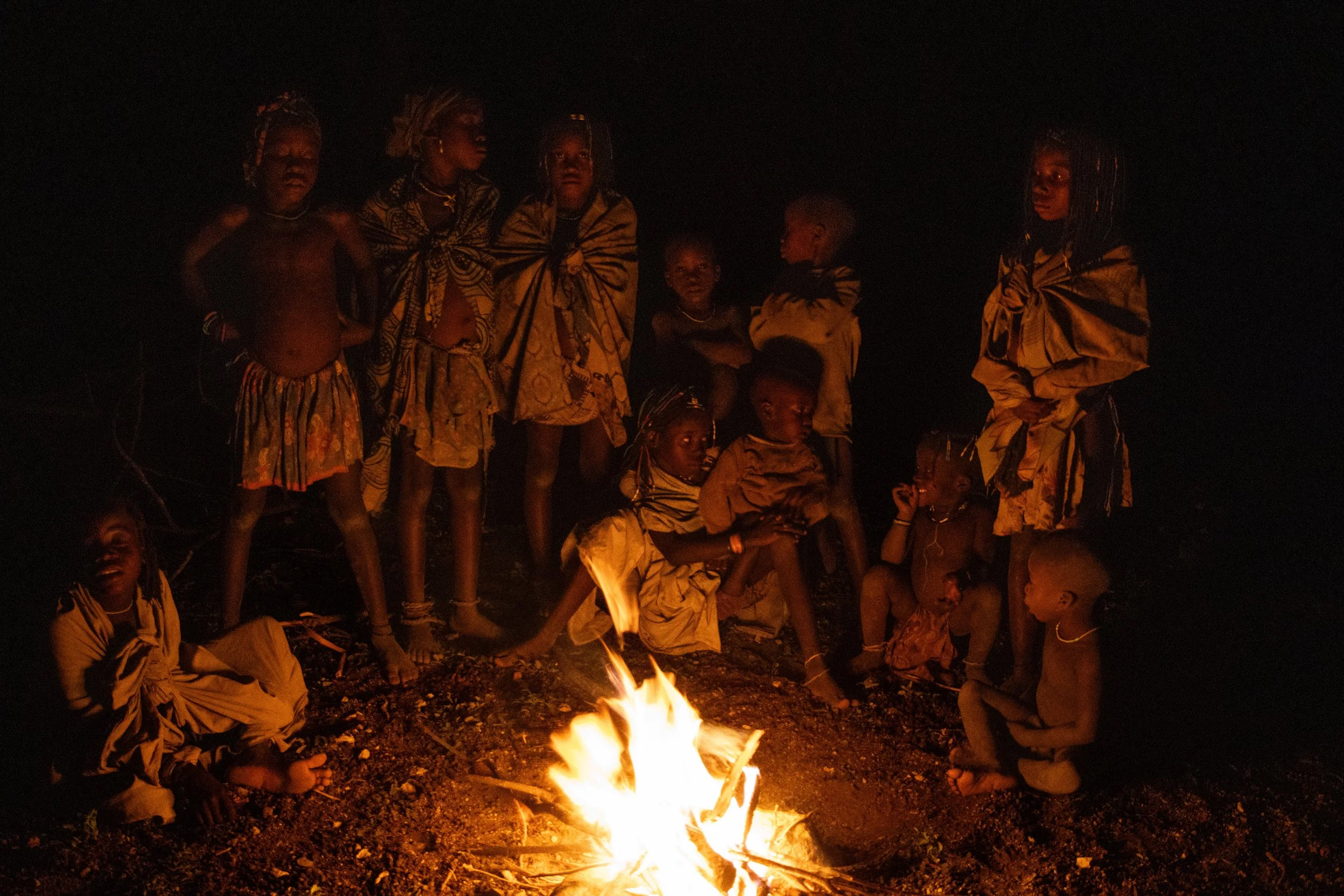
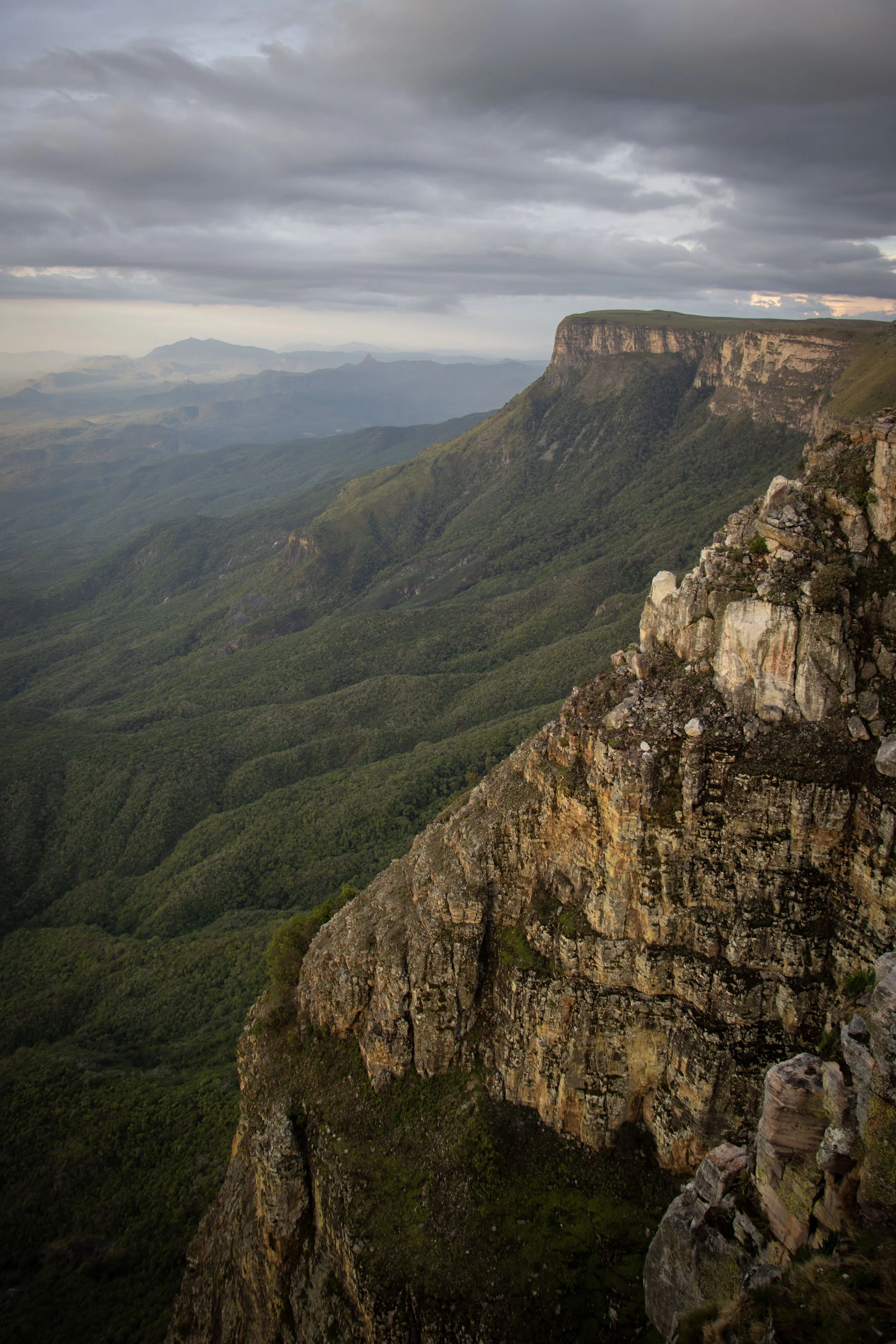
This photographic series explores the Himba, Mwila, Mucubal and Hakaona communities of southern Angola, across thelandscapes stretching from the Namibe Desert to the Huíla Plateau. Here, cultural identity is expressed through the body: elaborate hairstyles, sculptural necklaces, ochre-covered skin and intricate ornaments form a visual language of age,status, family ties and belonging.
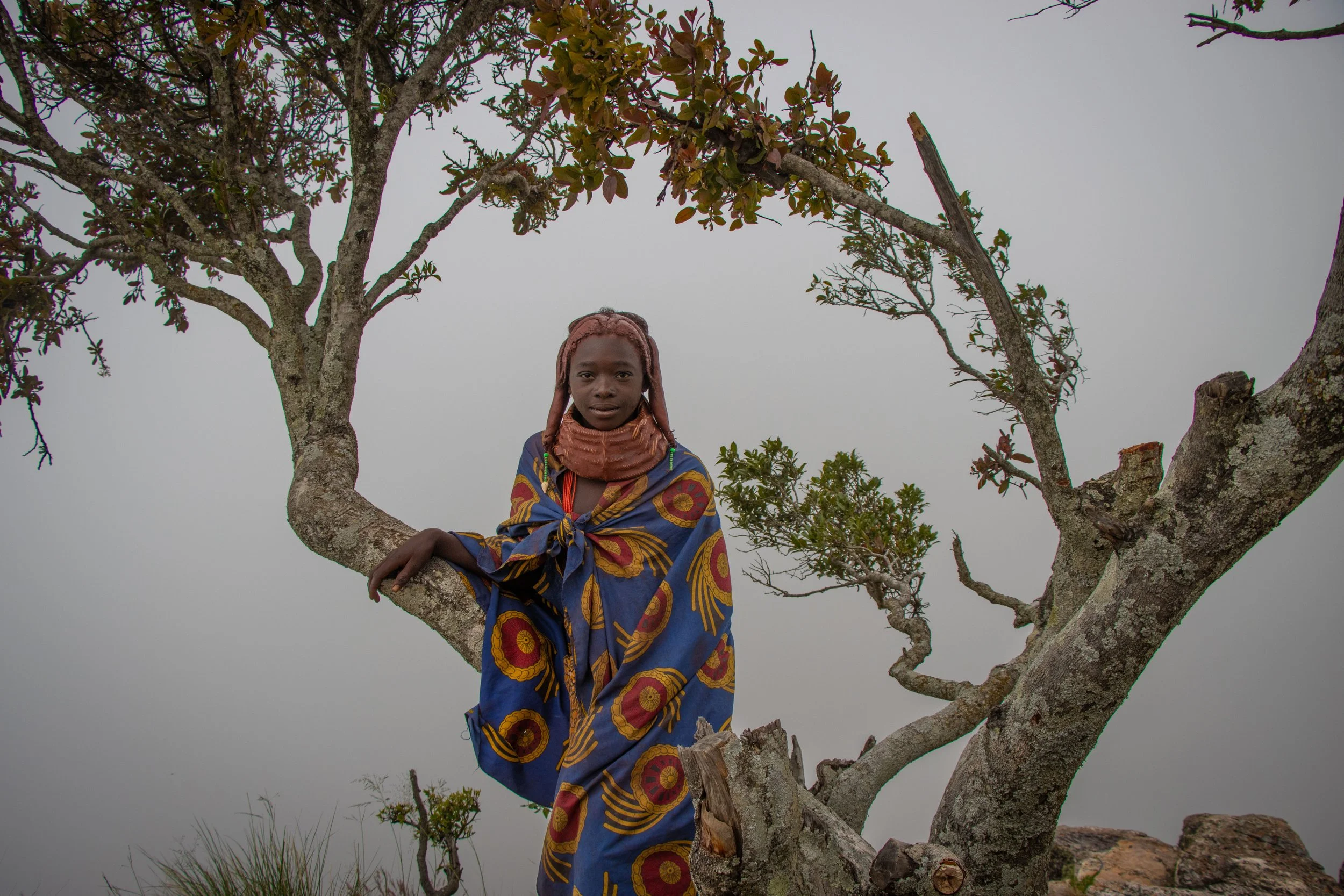
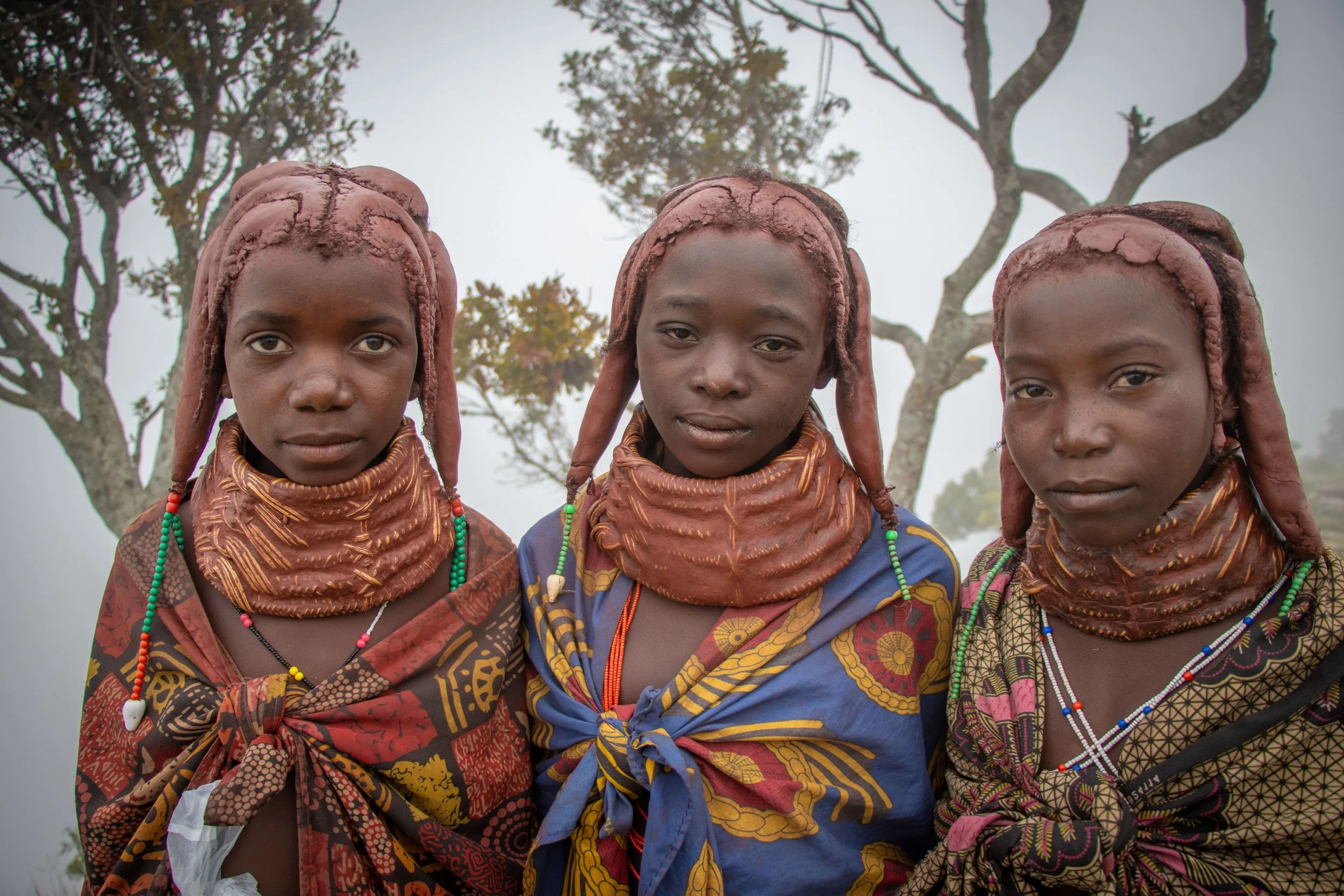
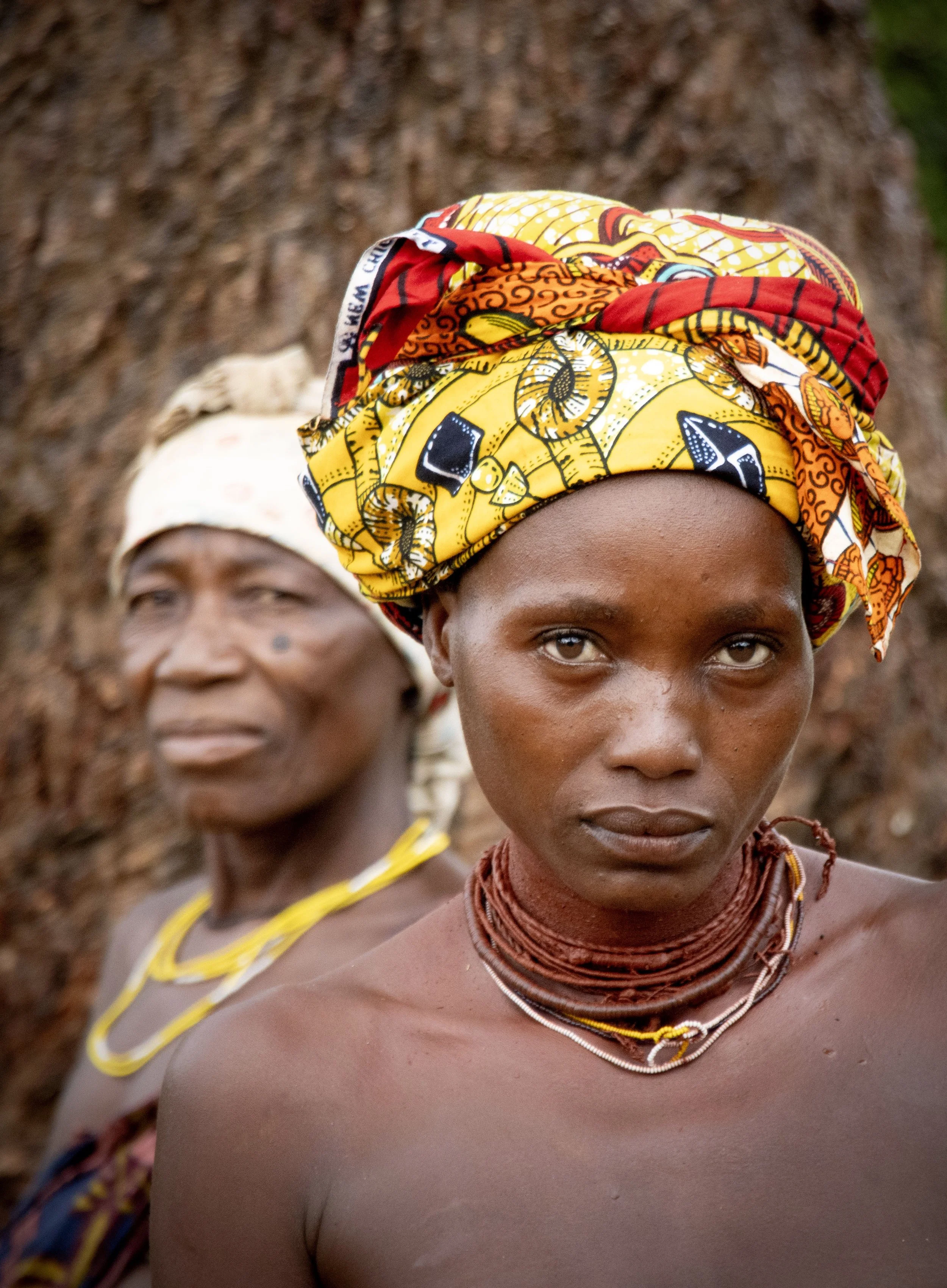
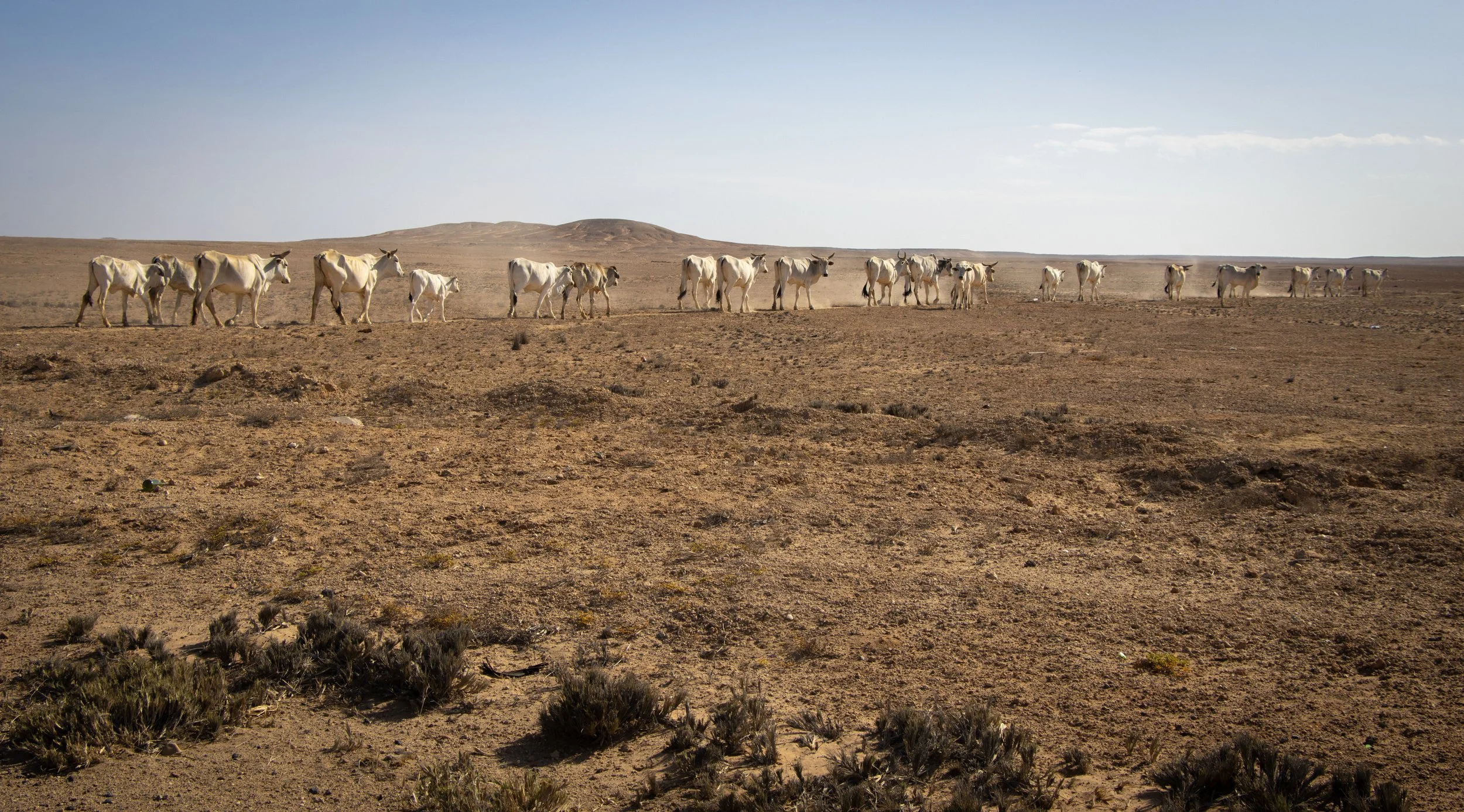
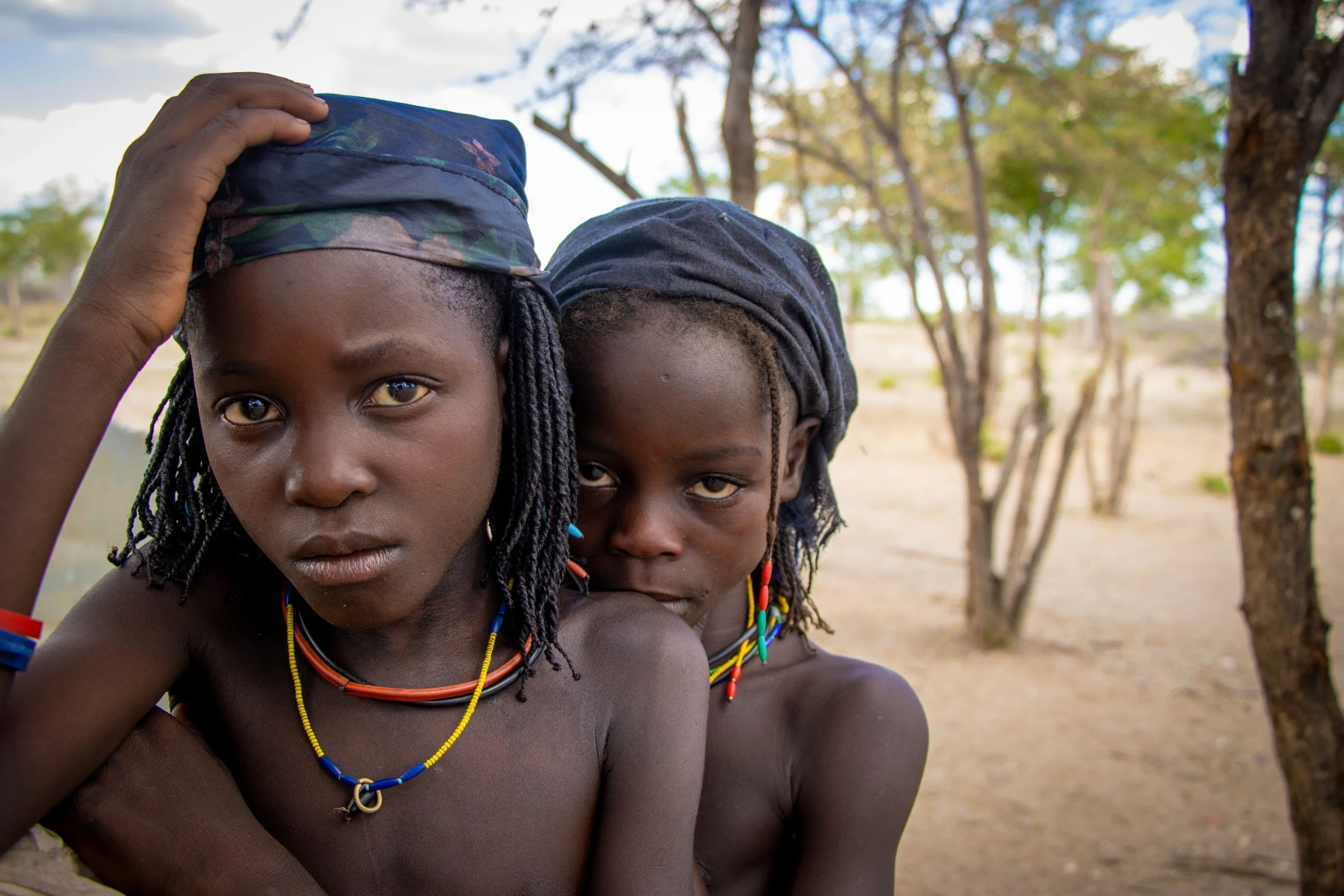
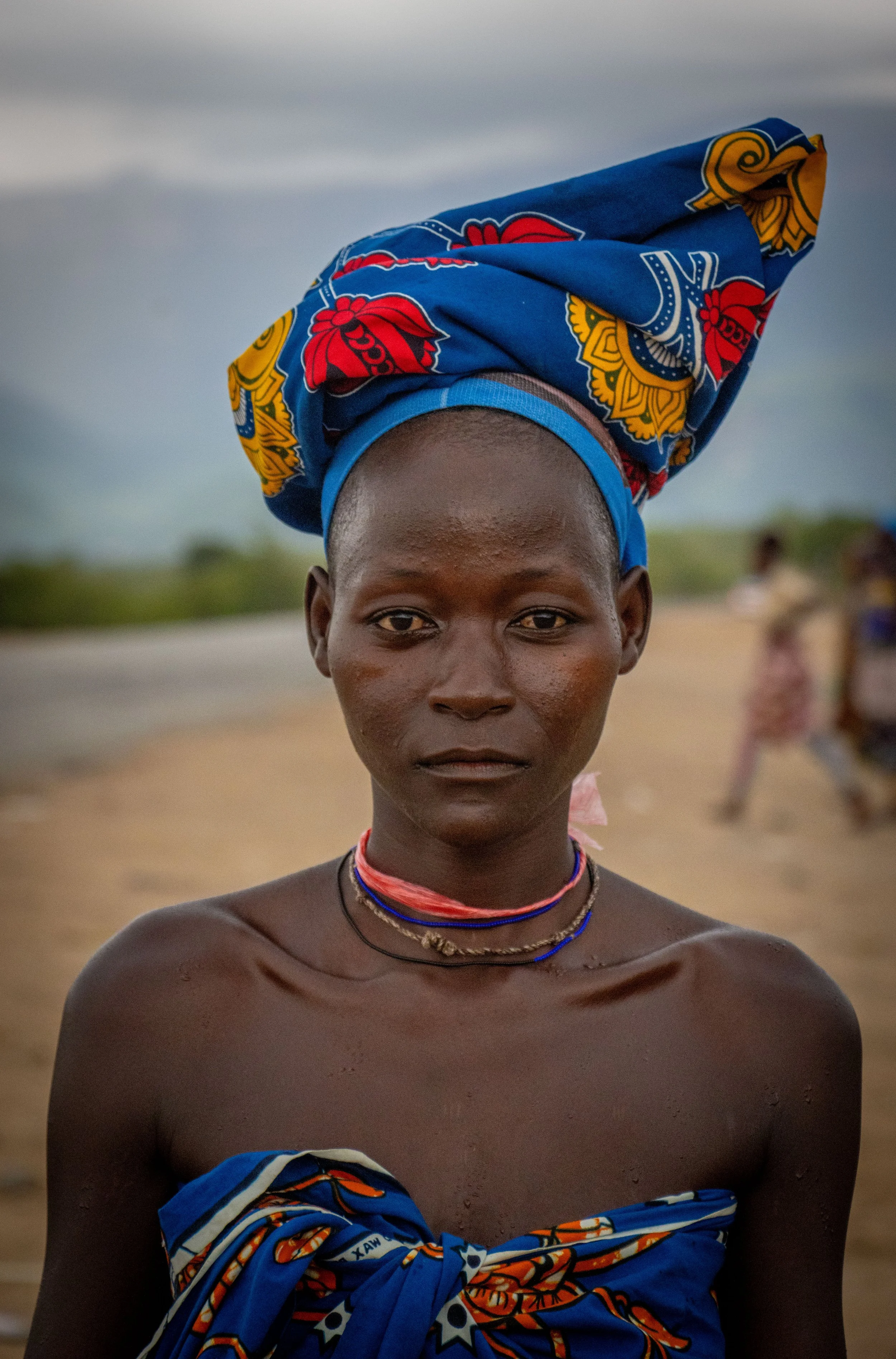
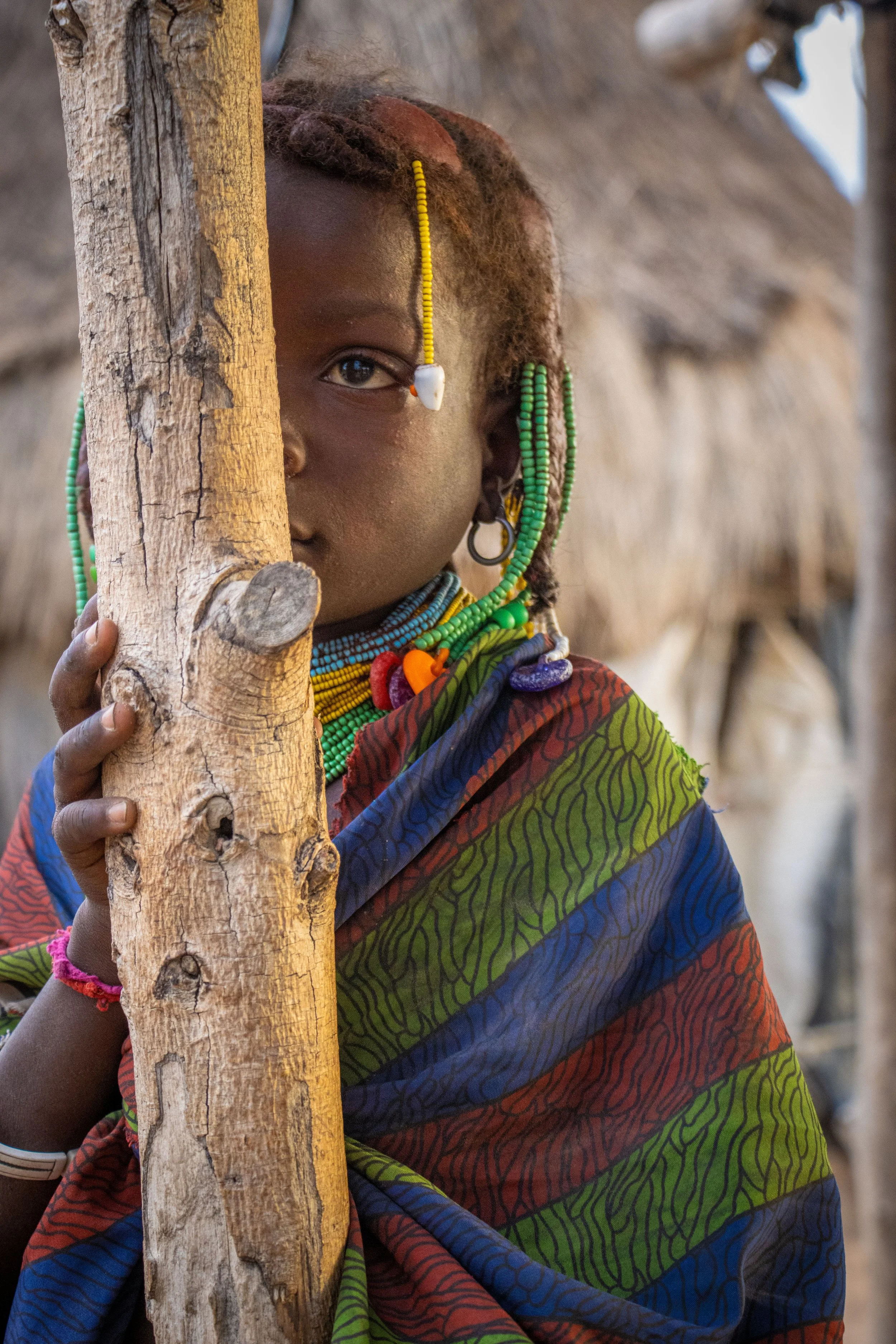
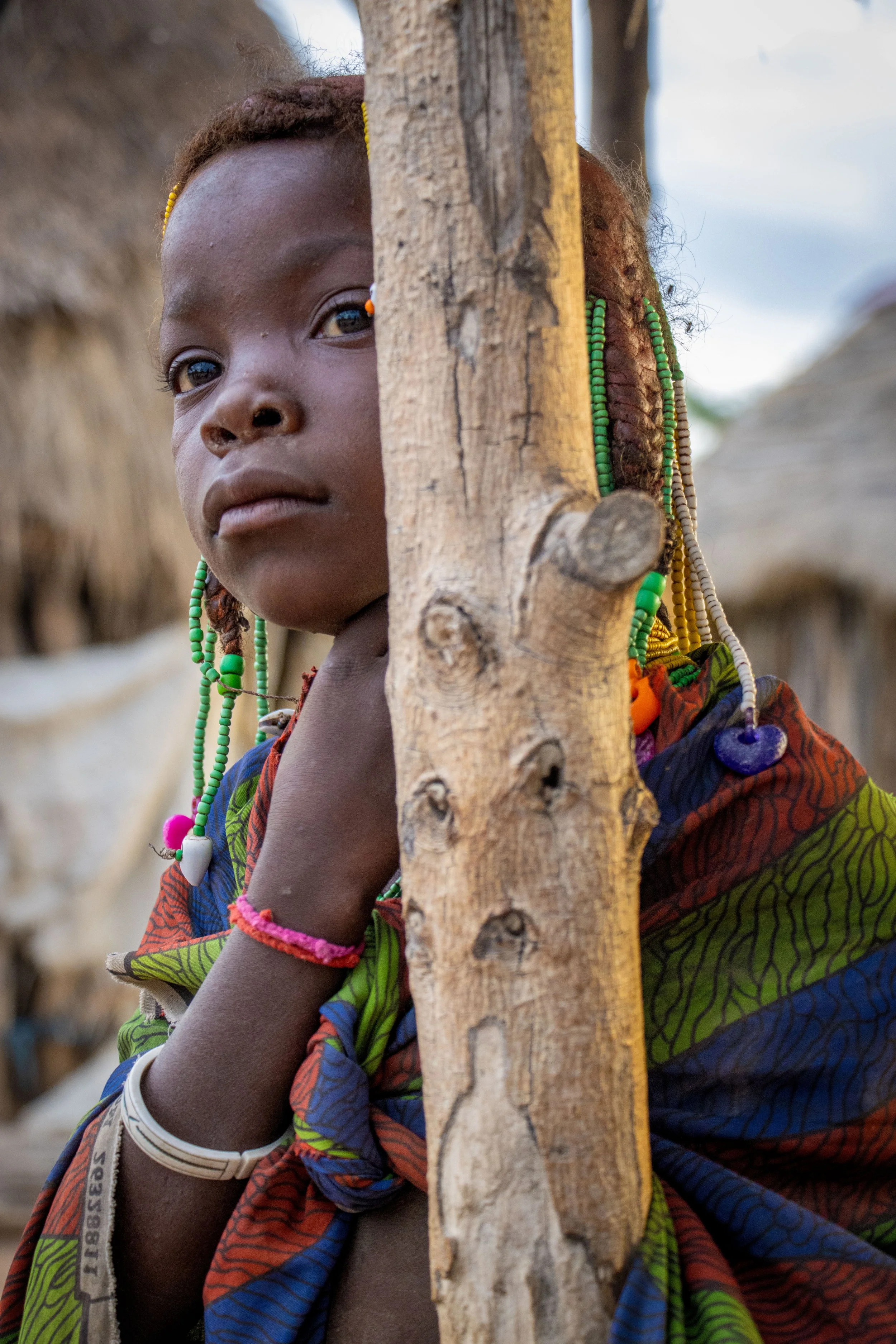
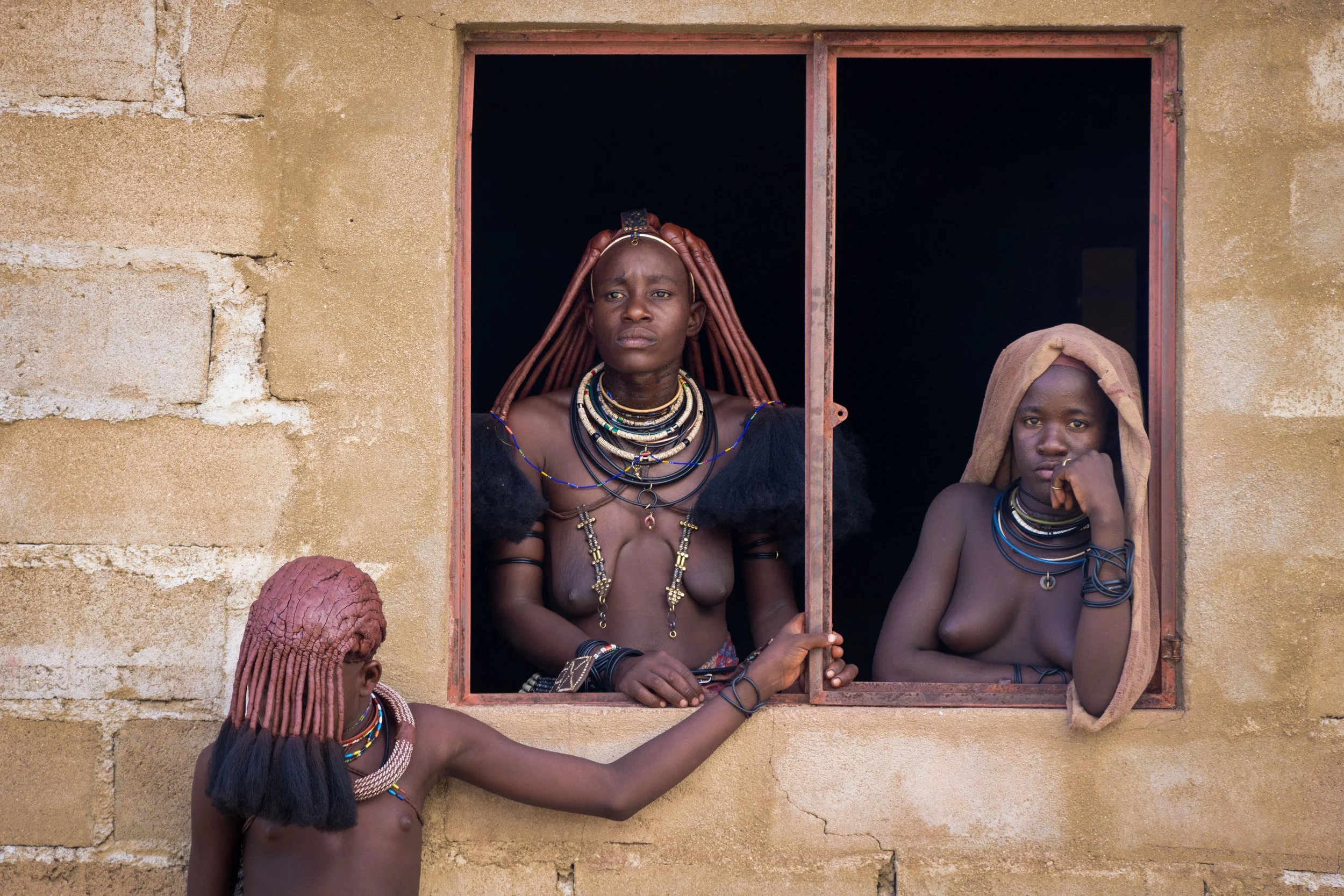
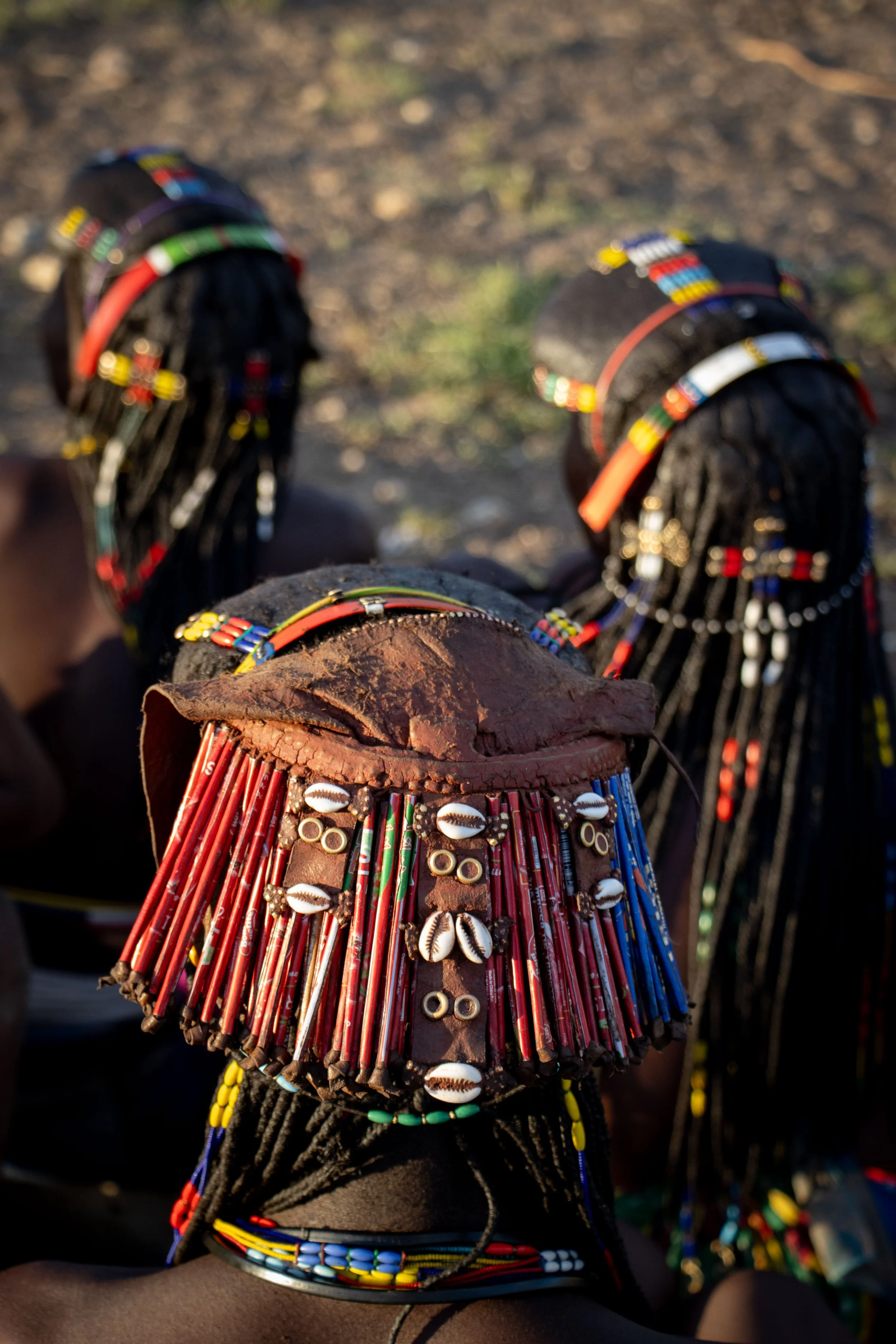
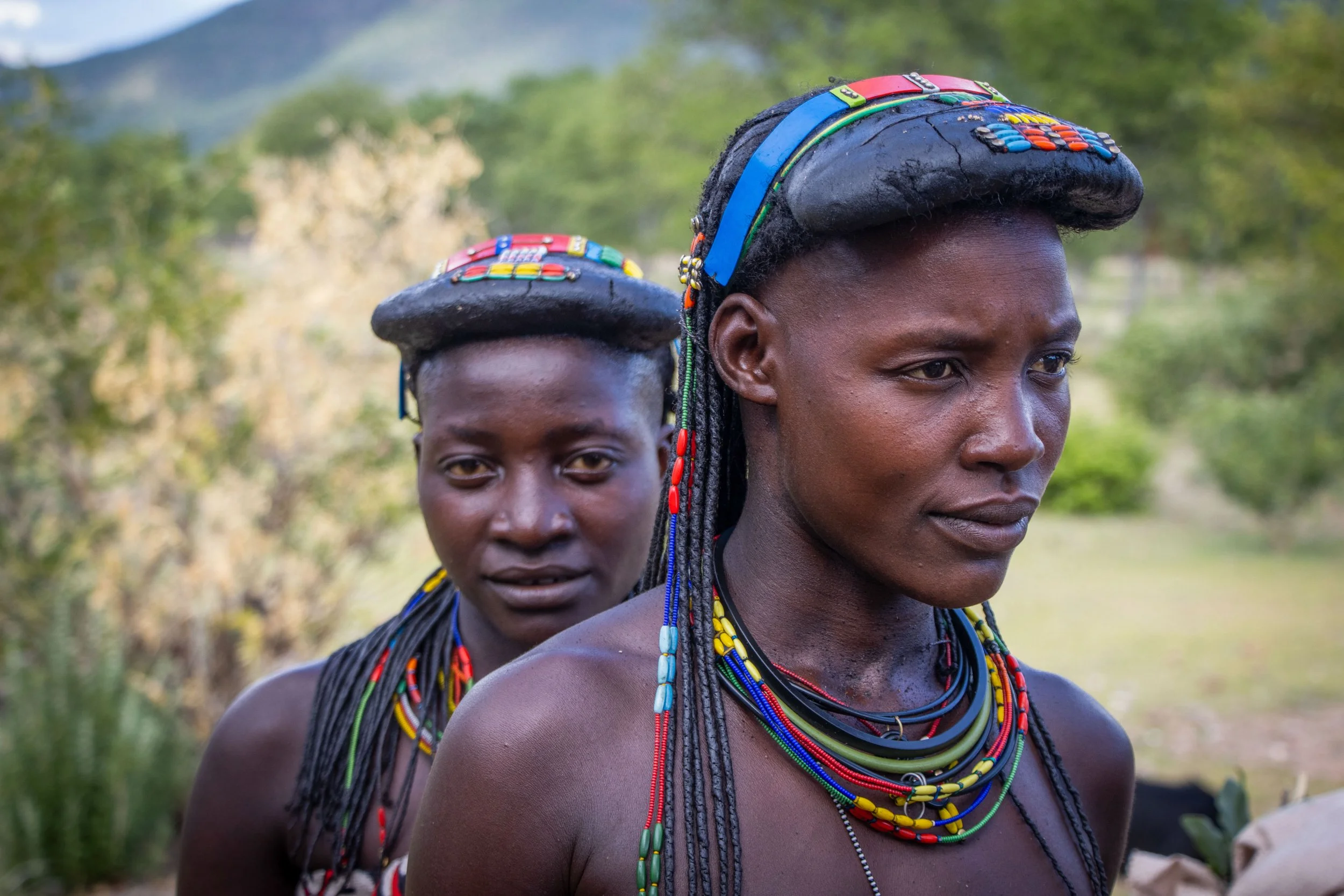
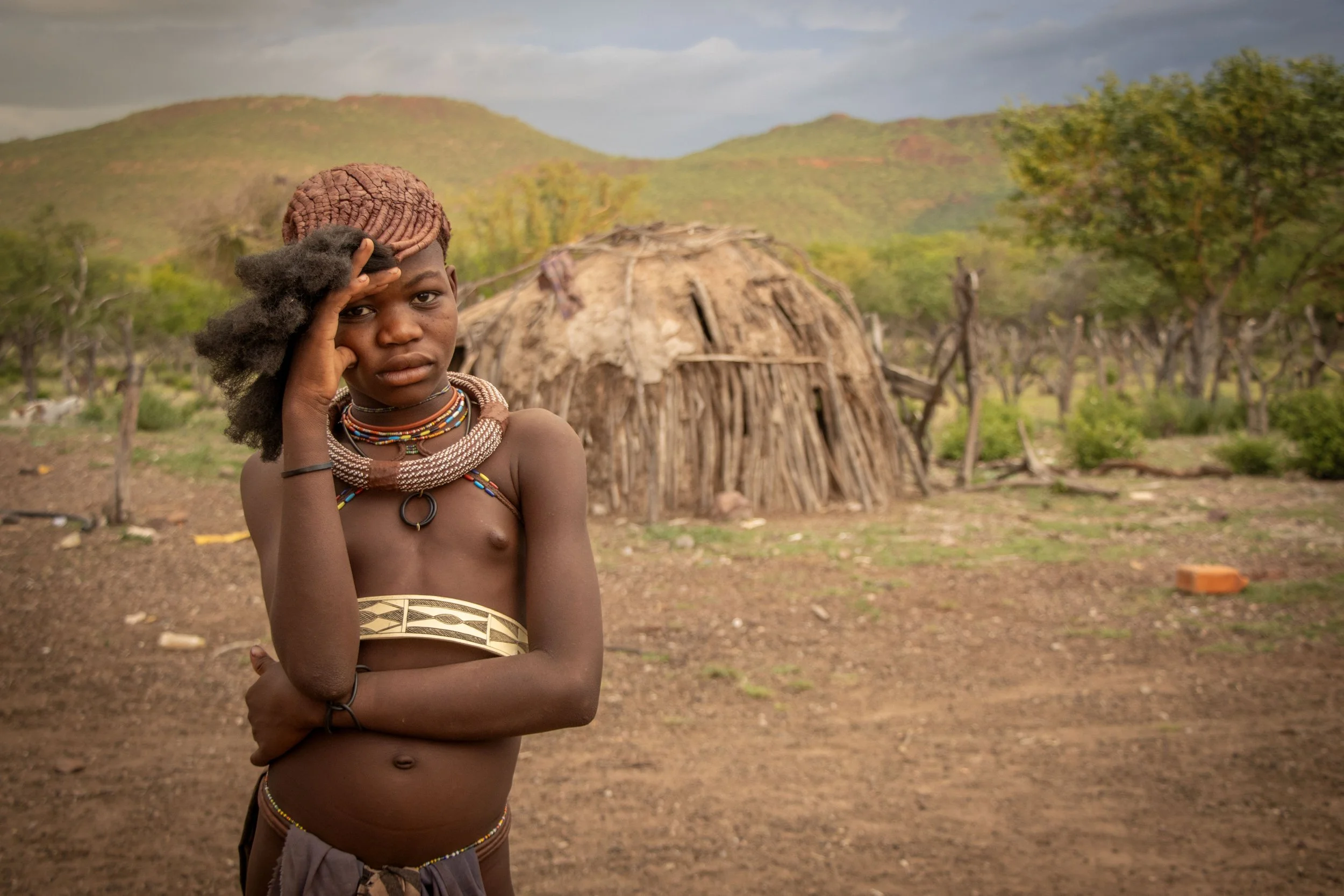
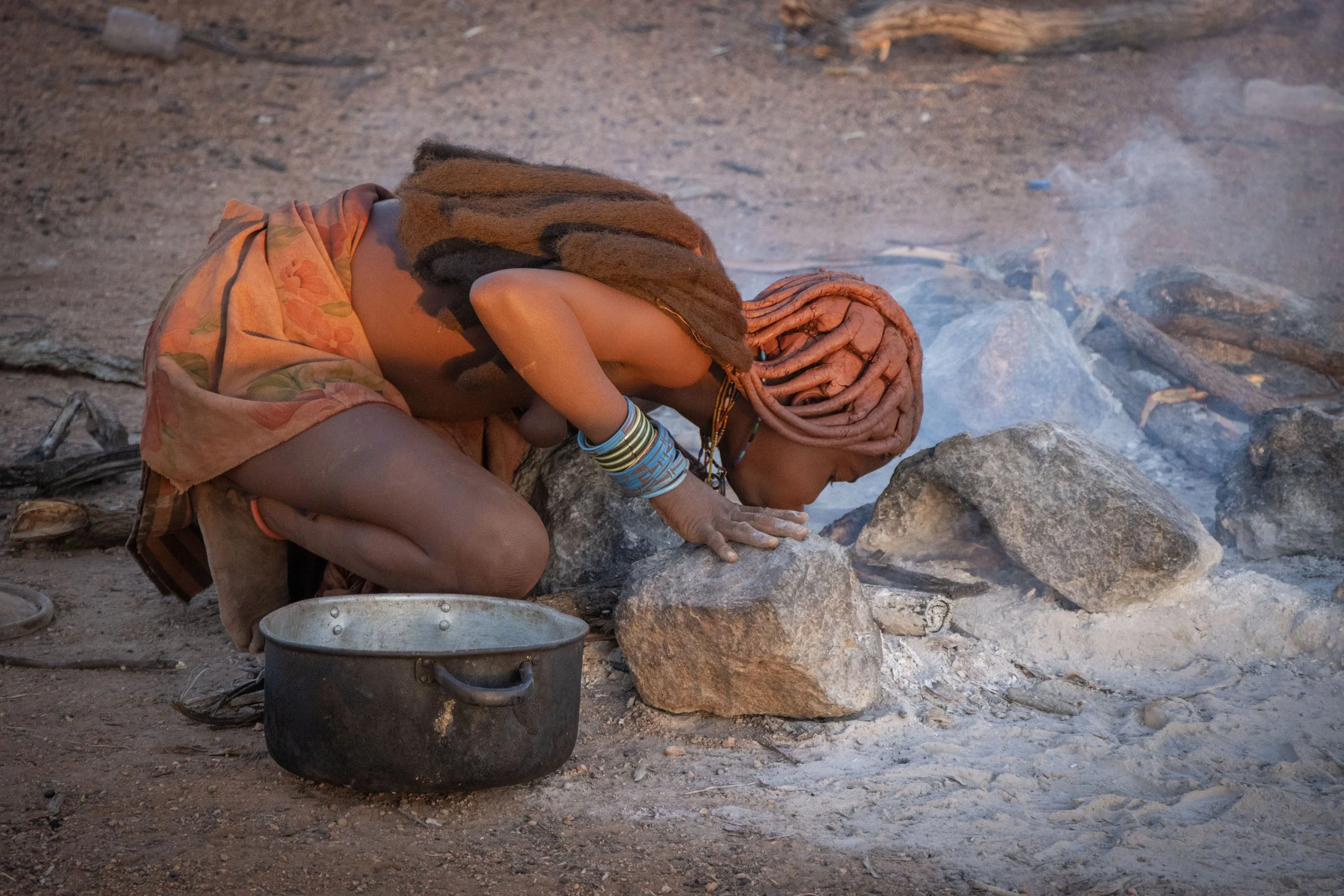
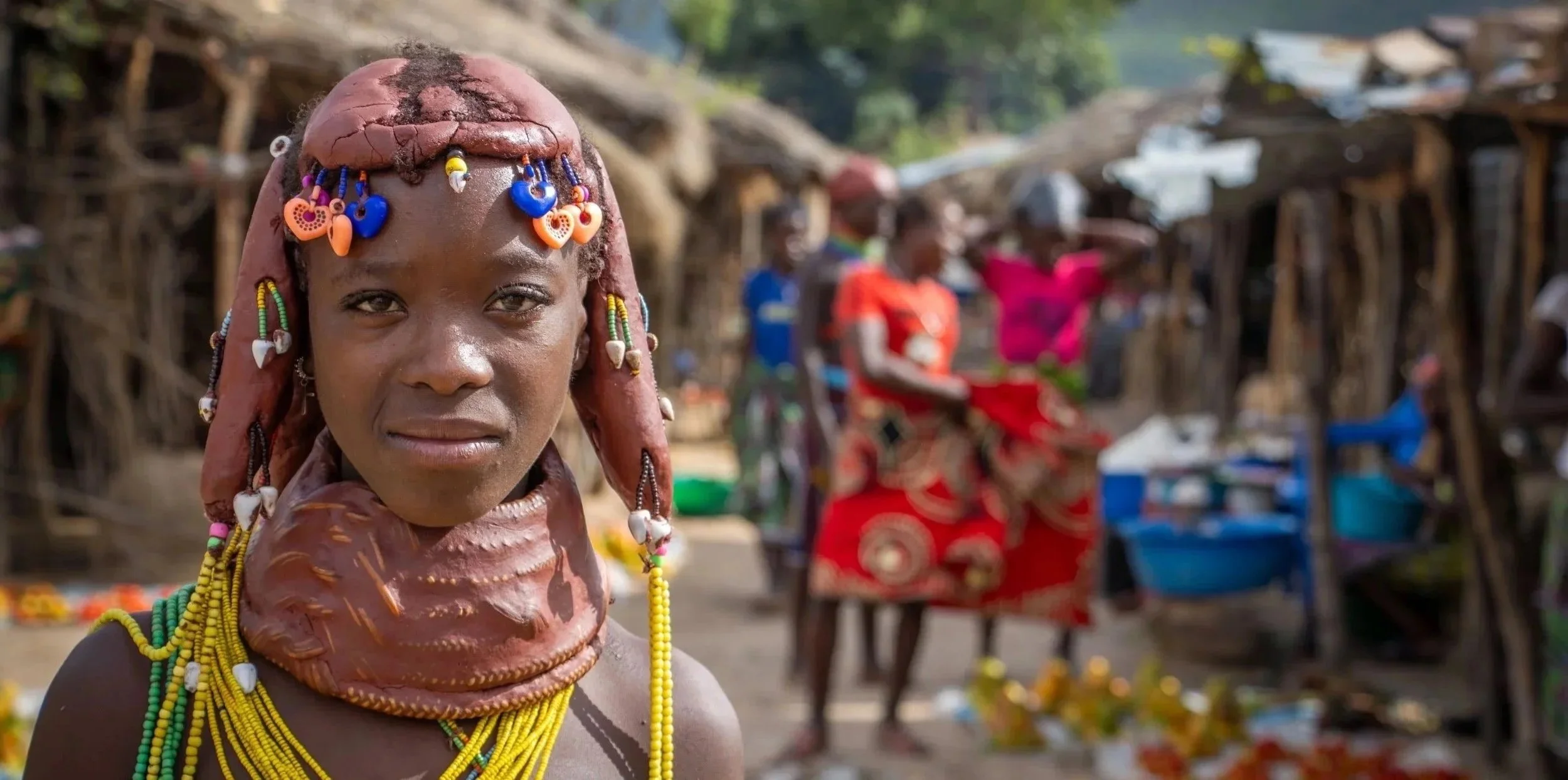
Each community has its own distinctive traditions. Himba women and men use otjize, a mixture of red ochre and animal fat, while Mwila women shape their hair into elaborate mud-covered braids known as nontombi. Among the Mucubal, cattle remain central to social life and prestige. The Hakaona, also known as Mucawana or Makahona, are distinguished by their colourful beadwork and elaborate adornments. These practices are more than decoration: they carry knowledge and identity across generations.
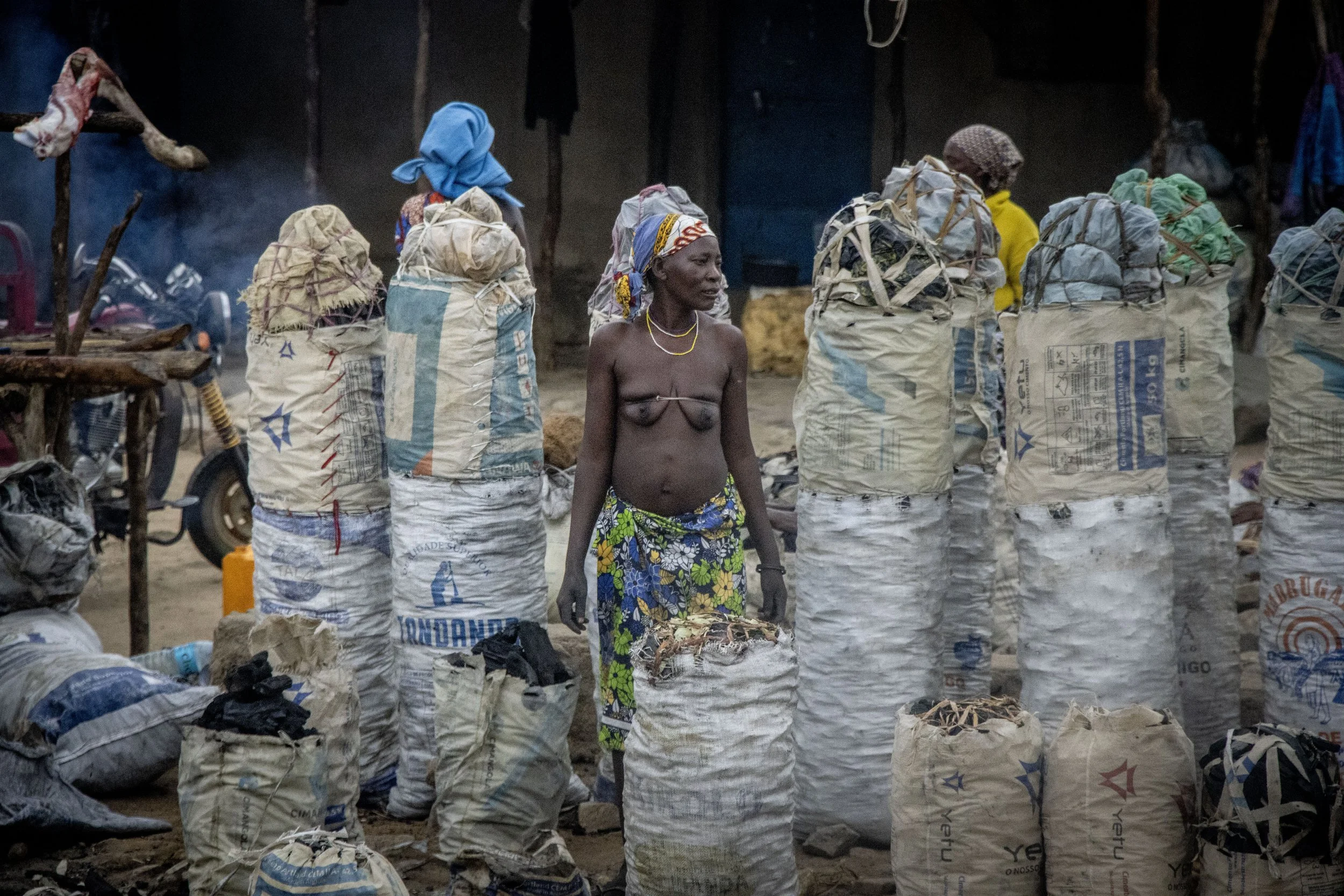
Yet these cultures cannot be separated from Angola’s turbulent history. Centuries of Portuguese colonial rule, the war of independence (1961–1975) and the civil war (1975–2002) profoundly reshaped rural society. Traditional authorities, such as the Soba, were progressively drawn into colonial and later state administration. Today, the close presence of political power remains visible in everyday life. During our journey, we witnessed a government food distribution after hours of waiting, while MPLA flags marked the public landscape. These encounters raised questions about dependency, representation and the relationship between political authority and survival.
As Amílcar Cabral argued, culture is both the product of a people’s history and a force shaping its future. Through these portraits, the series seeks to capture traditions that are neither relics of the past nor folklore, but living expressions of identity and resilience, shaped by the history and politics of southern Angola.
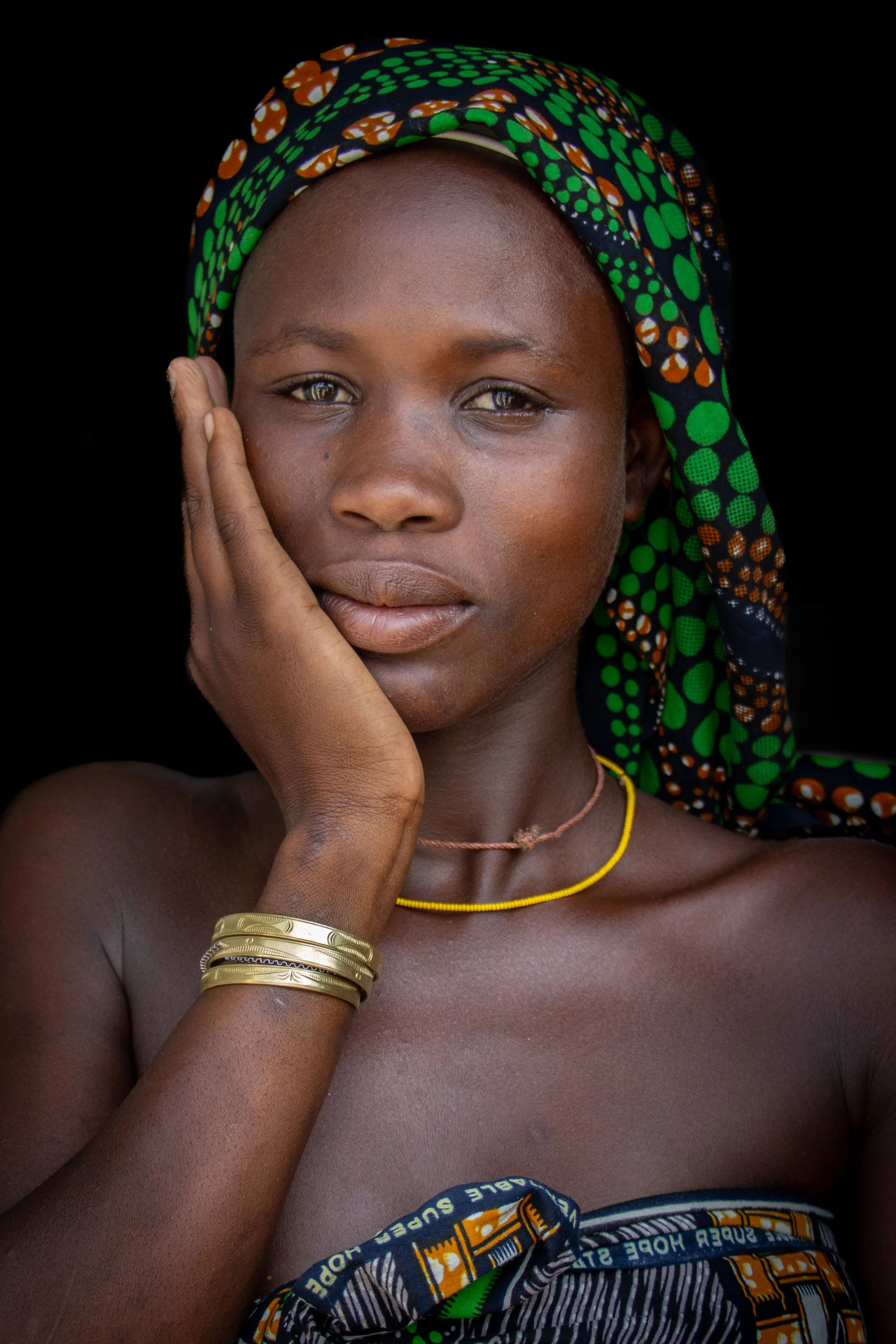
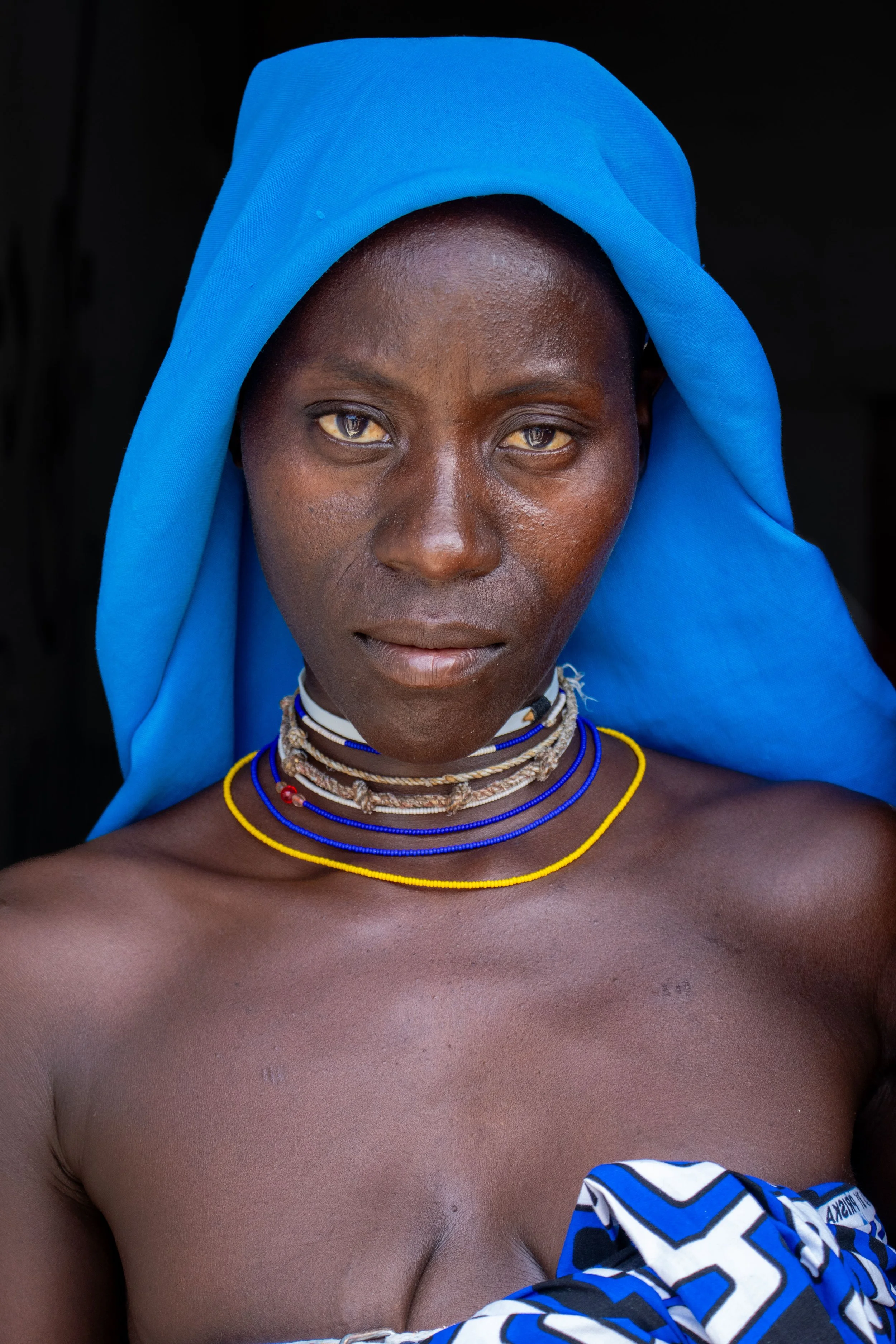
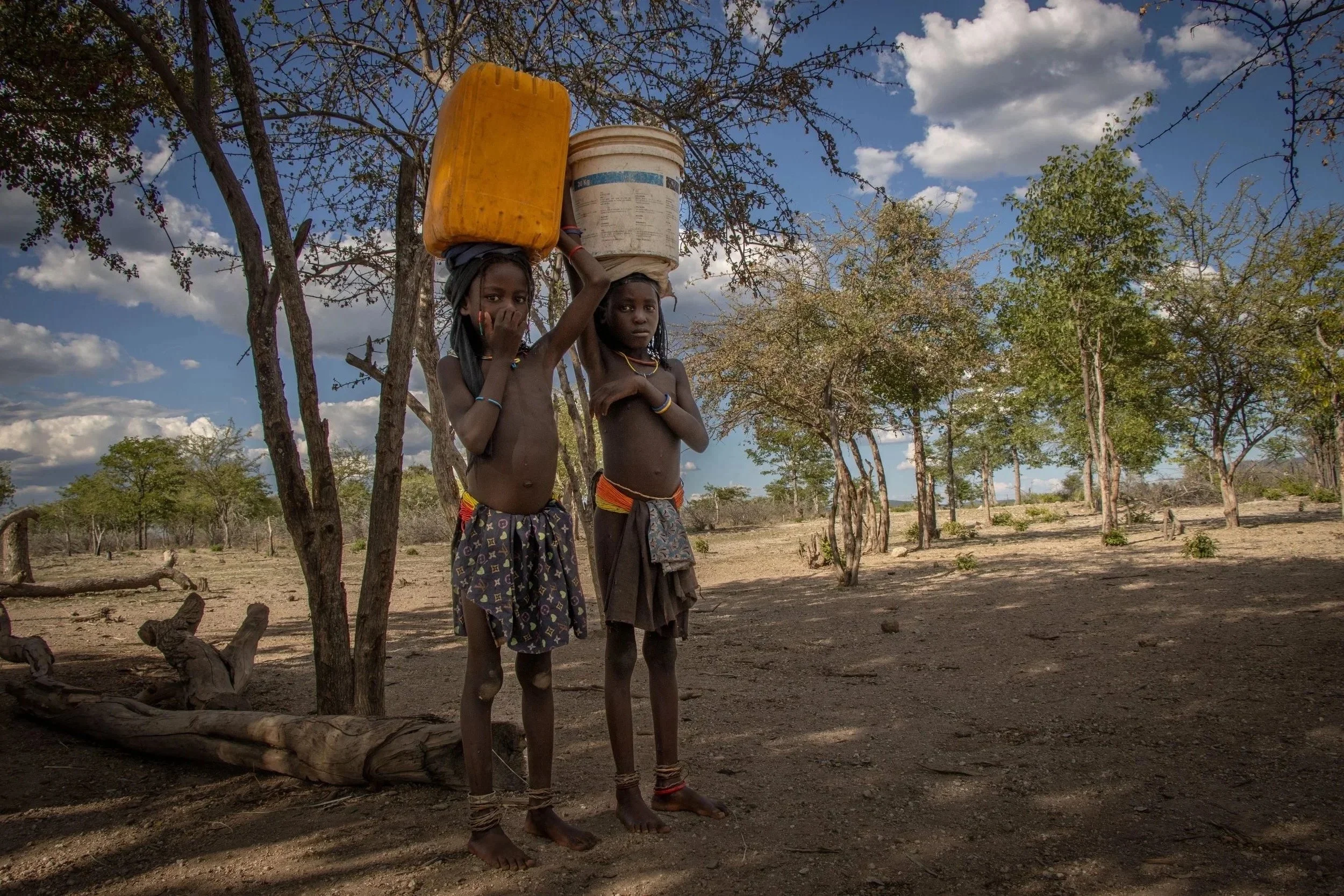
Kuvale women - also called Mucubal - of the Namibe province
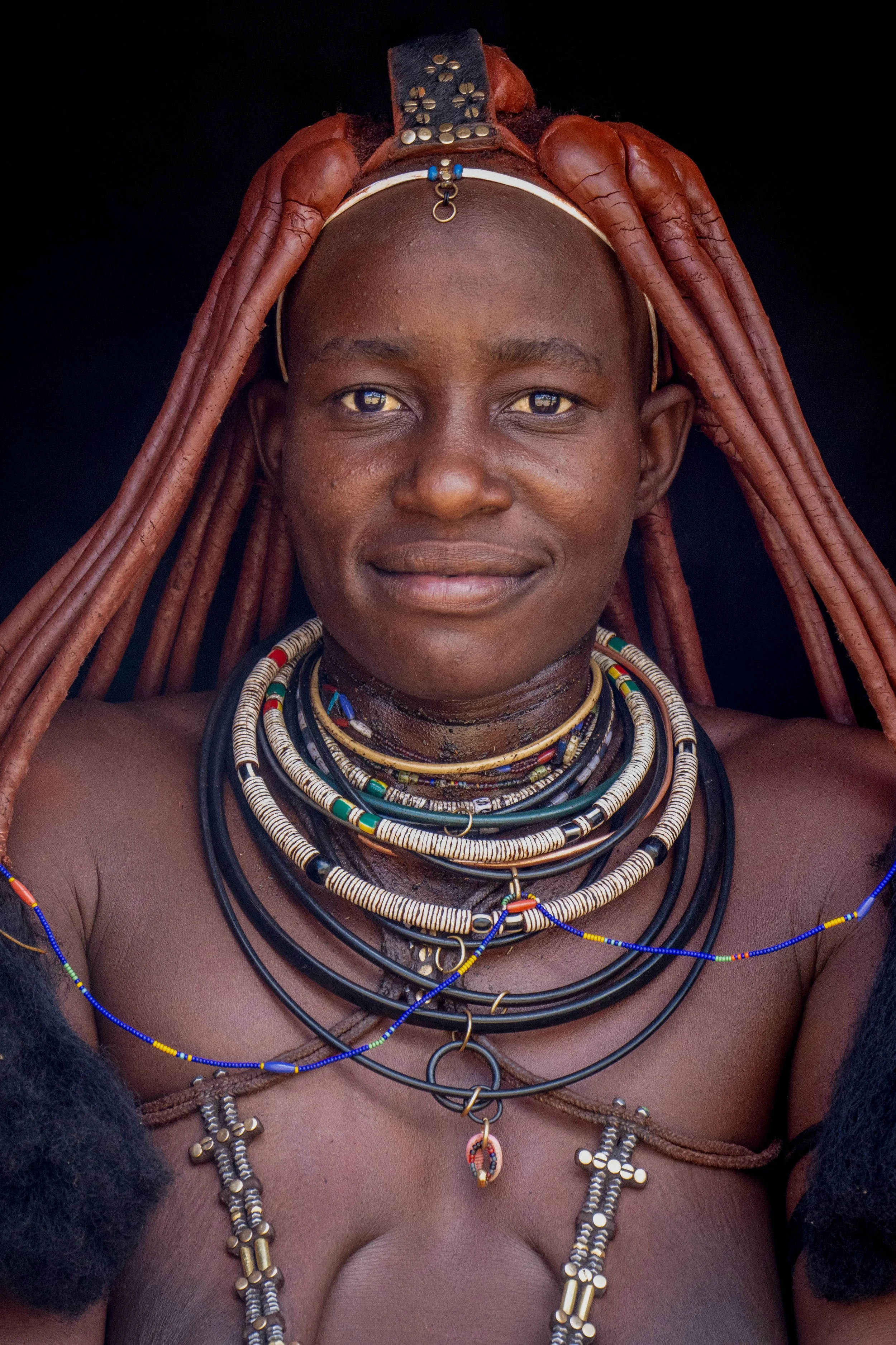
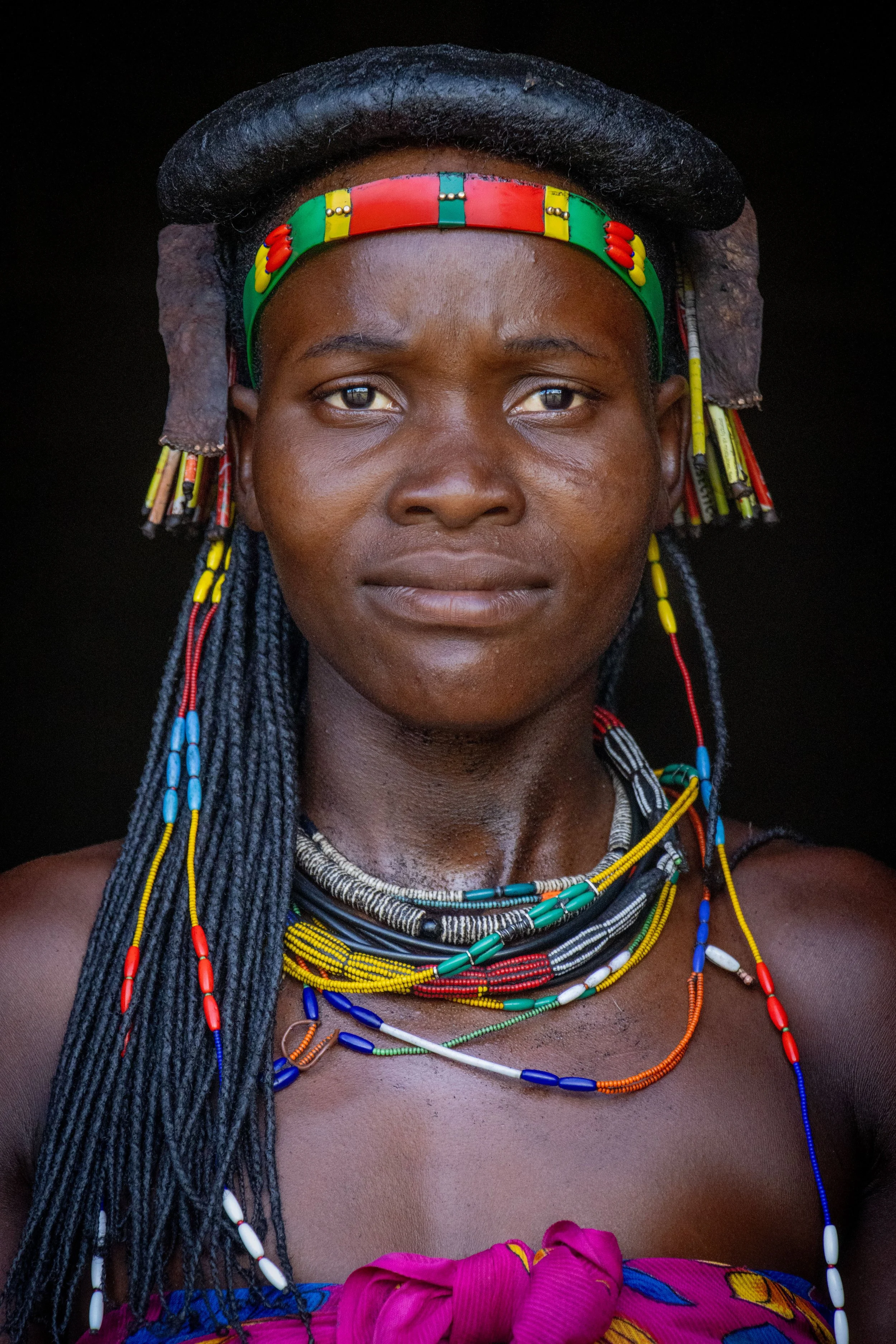
Himba and Hakaona women - Cuene province
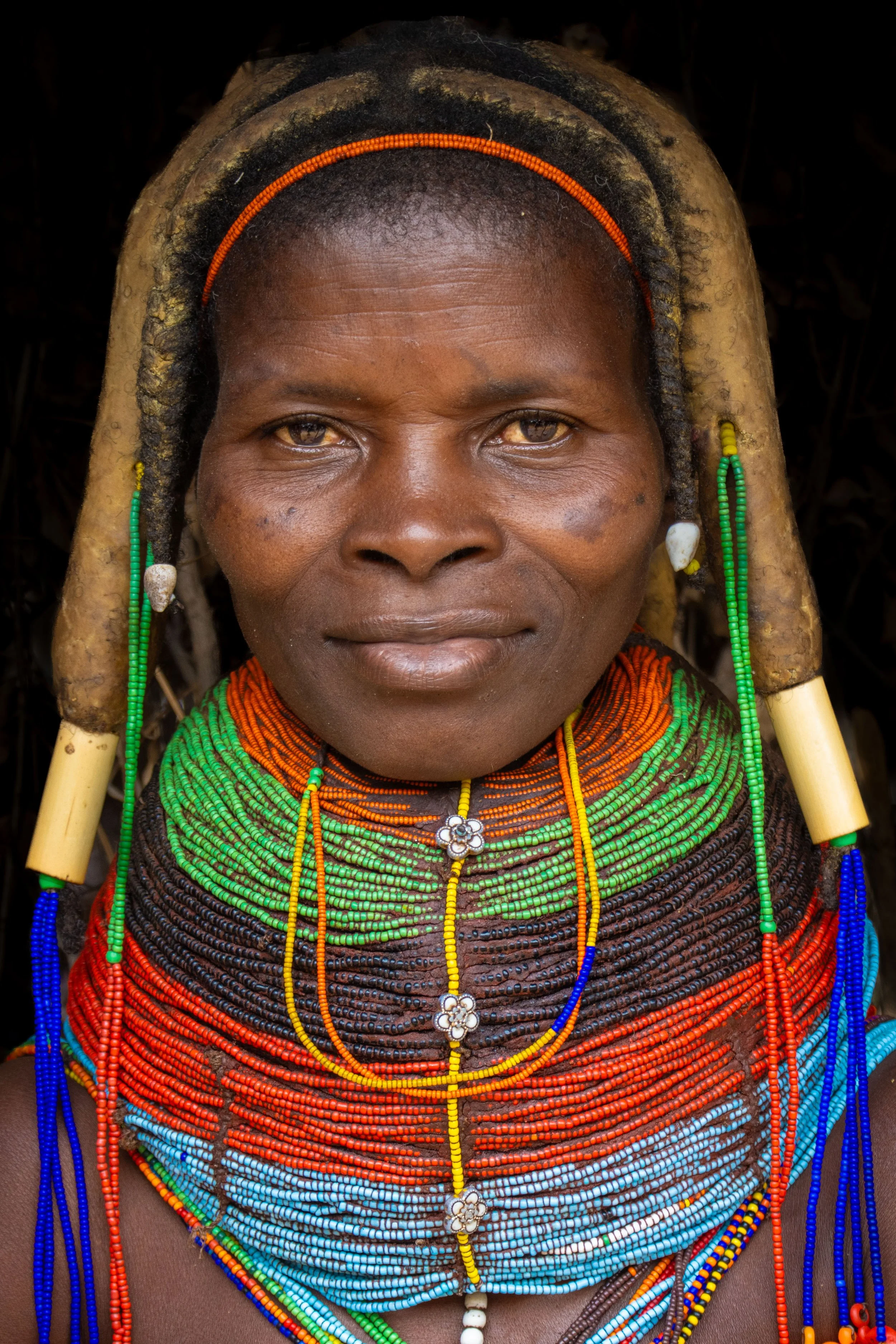
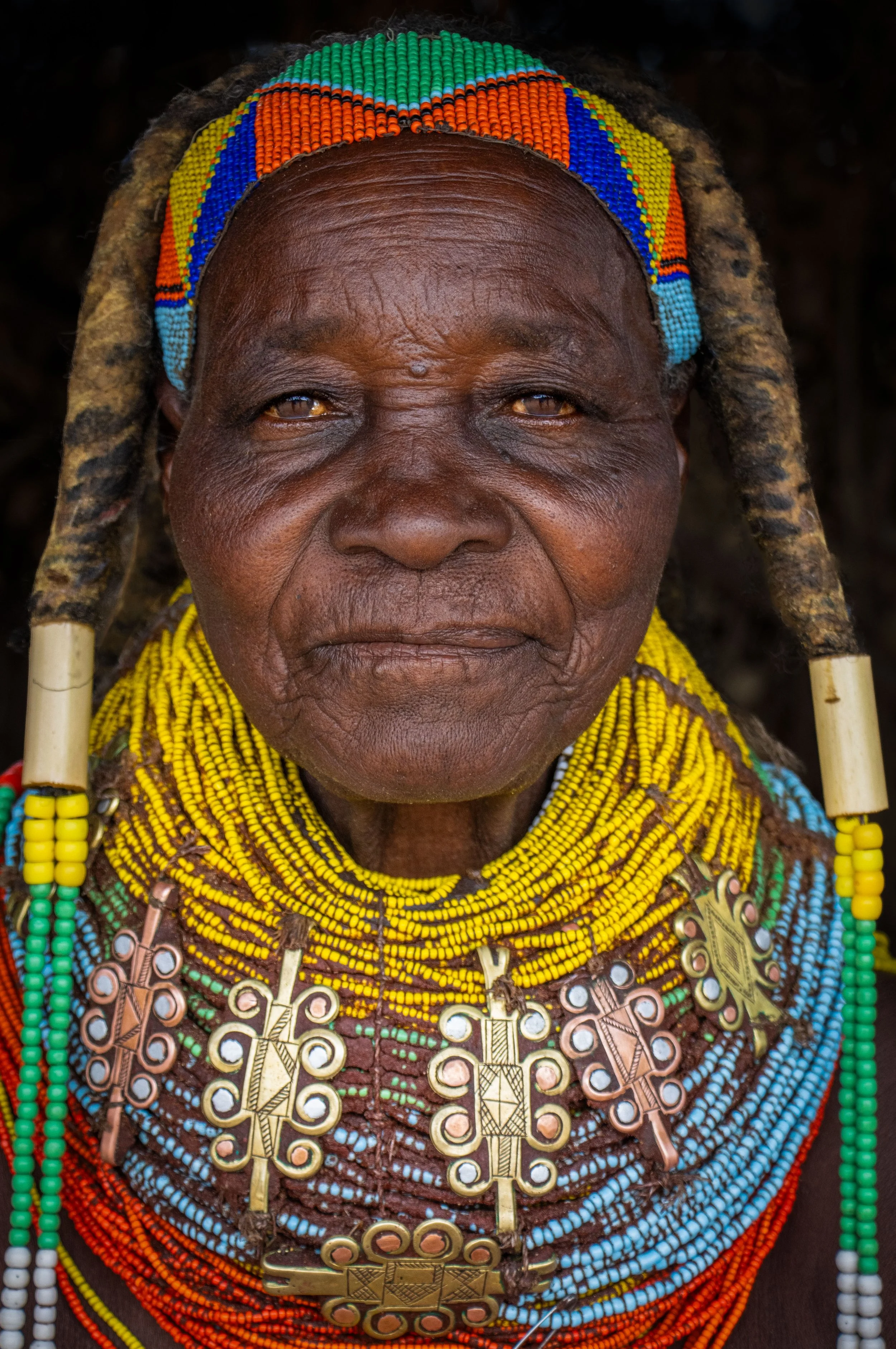
Mumwila women - Huila province